
Ecology and Environmental Sciences ›› 2026, Vol. 35 ›› Issue (1): 62-74.DOI: 10.16258/j.cnki.1674-5906.2026.01.006
• Research Article [Ecology] • Previous Articles Next Articles
WANG Guolin1,2( ), LIU Kaiying3, SONG Ningning1, LIU Jun1, WANG Fangli1, WANG Xuexia4, ZONG Haiying1,*(), LI Shaojing5,*()
Received:2025-04-25
Revised:2025-08-04
Accepted:2025-08-23
Online:2026-01-18
Published:2026-01-05
王国琳1,2(), 刘凯英3, 宋宁宁1, 刘君1, 王芳丽1, 王学霞4, 宗海英1,*(), 李绍静5,*()
通讯作者:
* E-mail: 作者简介:王国琳(1999年生),女(布依族),硕士研究生,主要研究方向为土壤改良。E-mail: 20232105042@stu.qau.edu.cn
基金资助:CLC Number:
WANG Guolin, LIU Kaiying, SONG Ningning, LIU Jun, WANG Fangli, WANG Xuexia, ZONG Haiying, LI Shaojing. Response Mechanism of Organic Nitrogen Components in Saline-alkali Soil to the Input of Straw and Straw Biochar[J]. Ecology and Environmental Sciences, 2026, 35(1): 62-74.
王国琳, 刘凯英, 宋宁宁, 刘君, 王芳丽, 王学霞, 宗海英, 李绍静. 盐碱土有机态氮组分对秸秆及秸秆生物炭输入的响应机理[J]. 生态环境学报, 2026, 35(1): 62-74.
Add to citation manager EndNote|Ris|BibTeX
URL: https://www.jeesci.com/EN/10.16258/j.cnki.1674-5906.2026.01.006
| 处理 | 全氮质量分数/(mg·kg−1) | 铵态氮质量分数/(mg·kg−1) | 硝态氮质量分数/(mg·kg−1) | 固定态铵氮质量分数/(mg·kg−1) |
|---|---|---|---|---|
| CK | 1040.30±5.19c | 5.15±0.05c | 20.53±0.17c | 85.75±0.01c |
| ST | 1428.02±7.82b | 6.14±1.11b | 35.57±0.49b | 131.05±0.04b |
| BI | 1518.01±9.24a | 7.58±0.09a | 32.60±0.35a | 137.71±0.01a |
Table 1 Soil total nitrogen and inorganic nitrogen content
| 处理 | 全氮质量分数/(mg·kg−1) | 铵态氮质量分数/(mg·kg−1) | 硝态氮质量分数/(mg·kg−1) | 固定态铵氮质量分数/(mg·kg−1) |
|---|---|---|---|---|
| CK | 1040.30±5.19c | 5.15±0.05c | 20.53±0.17c | 85.75±0.01c |
| ST | 1428.02±7.82b | 6.14±1.11b | 35.57±0.49b | 131.05±0.04b |
| BI | 1518.01±9.24a | 7.58±0.09a | 32.60±0.35a | 137.71±0.01a |
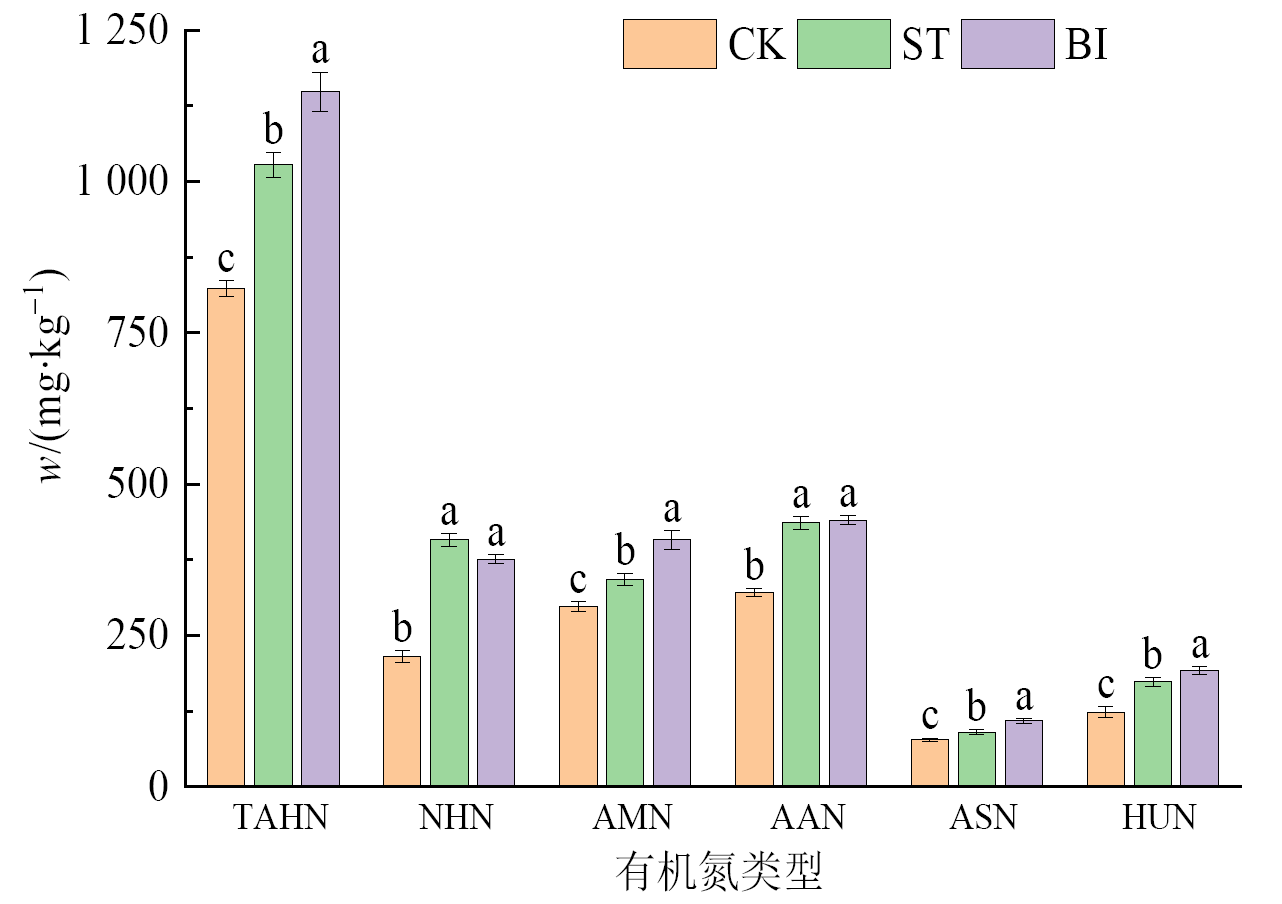
Figure 1 Content of soil organic nitrogen components
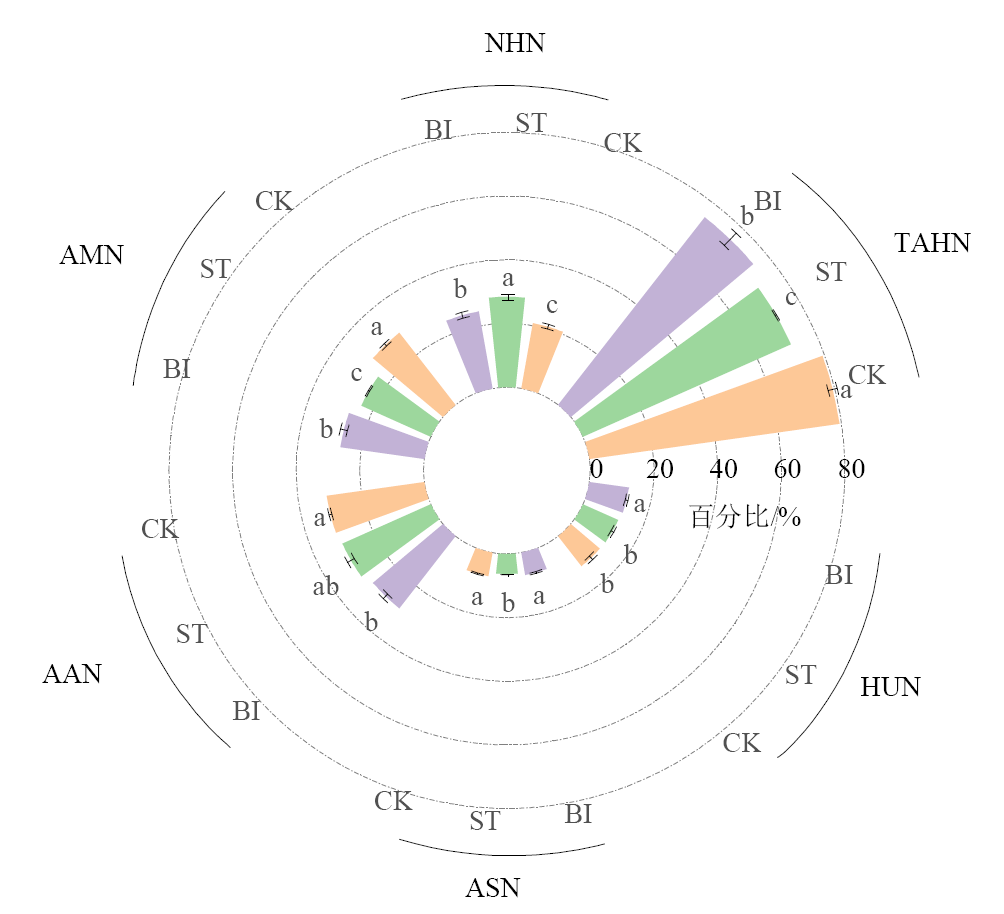
Figure 2 Proportion of soil organic nitrogen to total nitrogen

Figure 3 Soil enzyme activity

Figure 4 Microbial diversity index
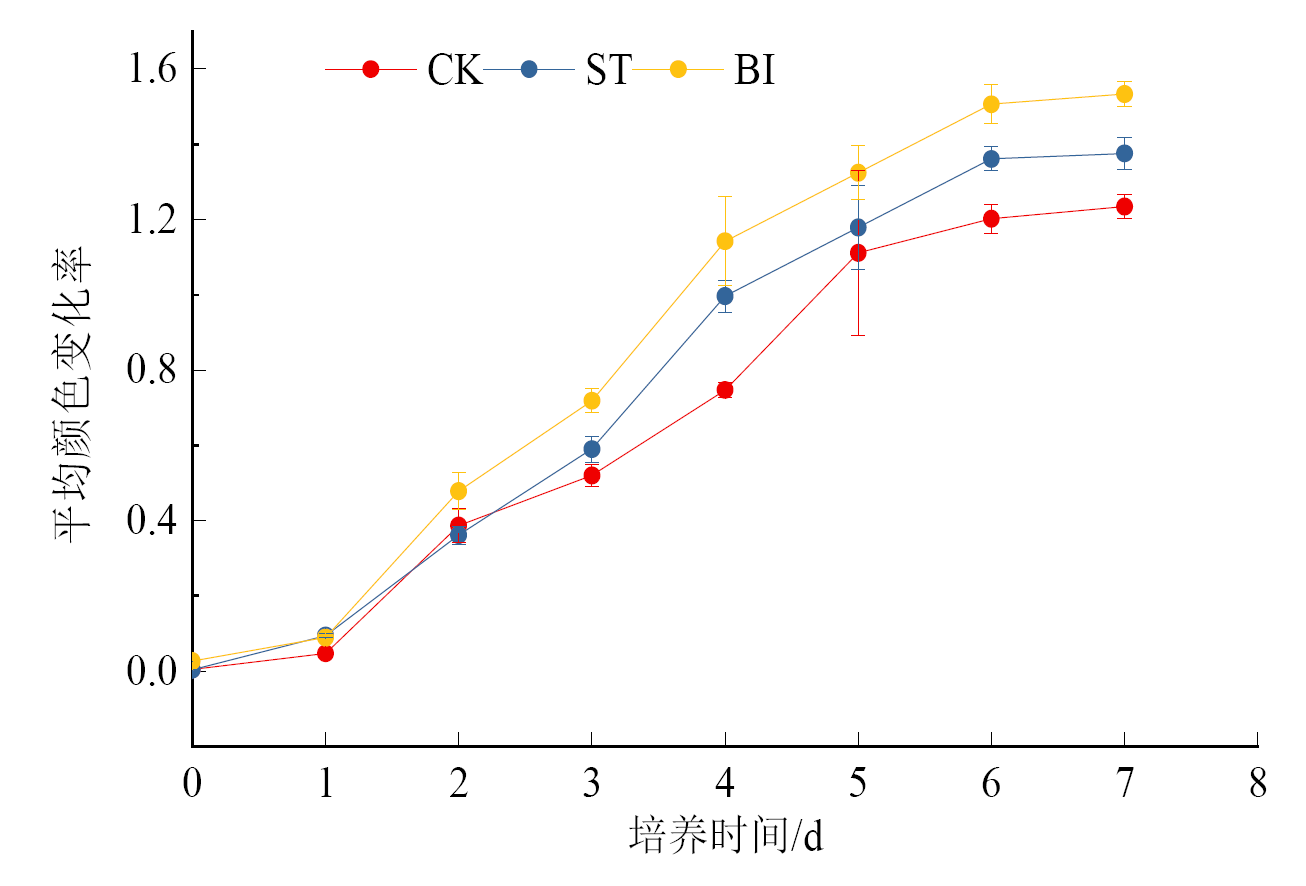
Figure 5 Average well color development
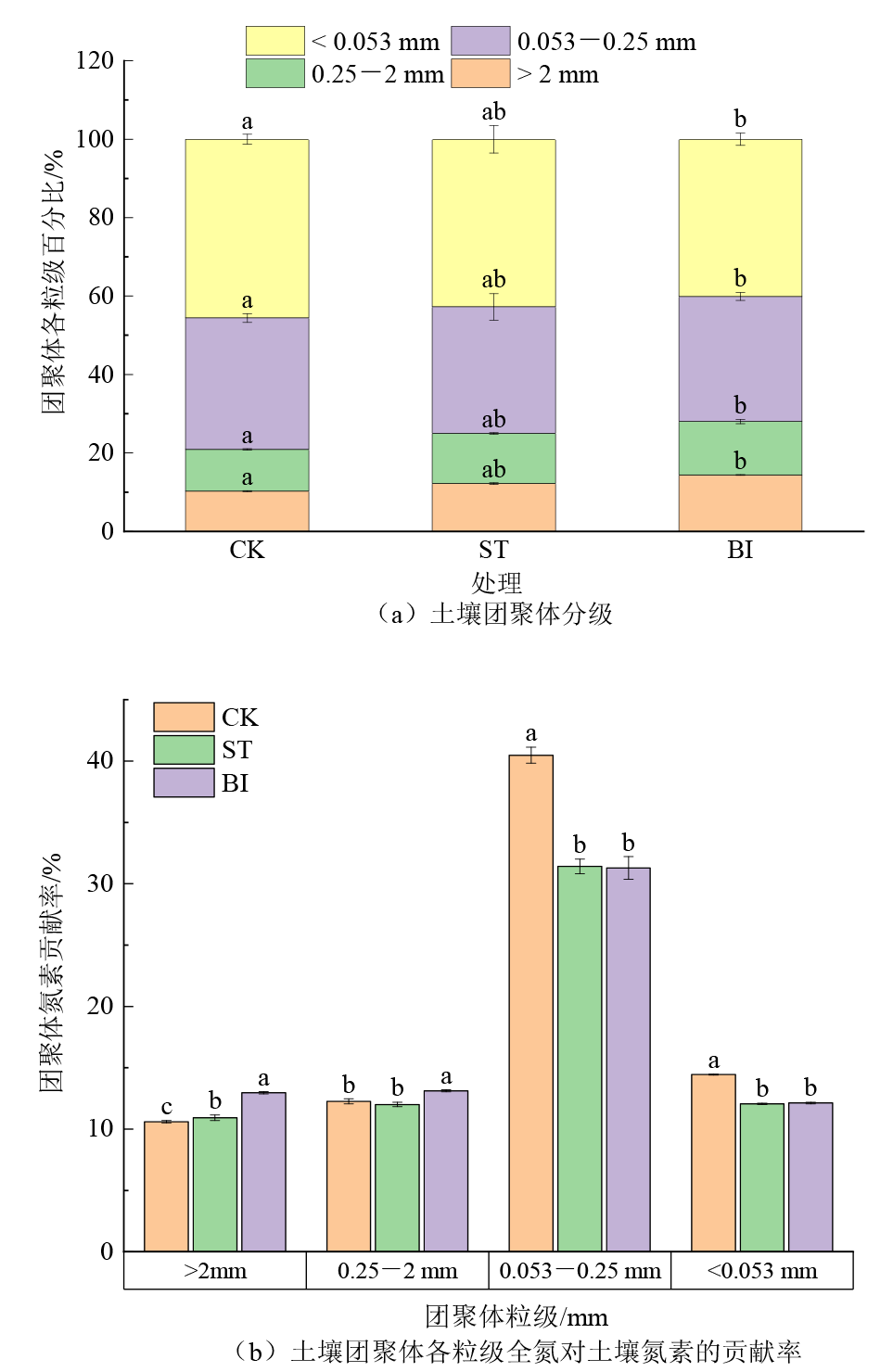
Figure 6 Classification of soil aggregates and the contribution rate of total nitrogen at each grain size to soil nitrogen
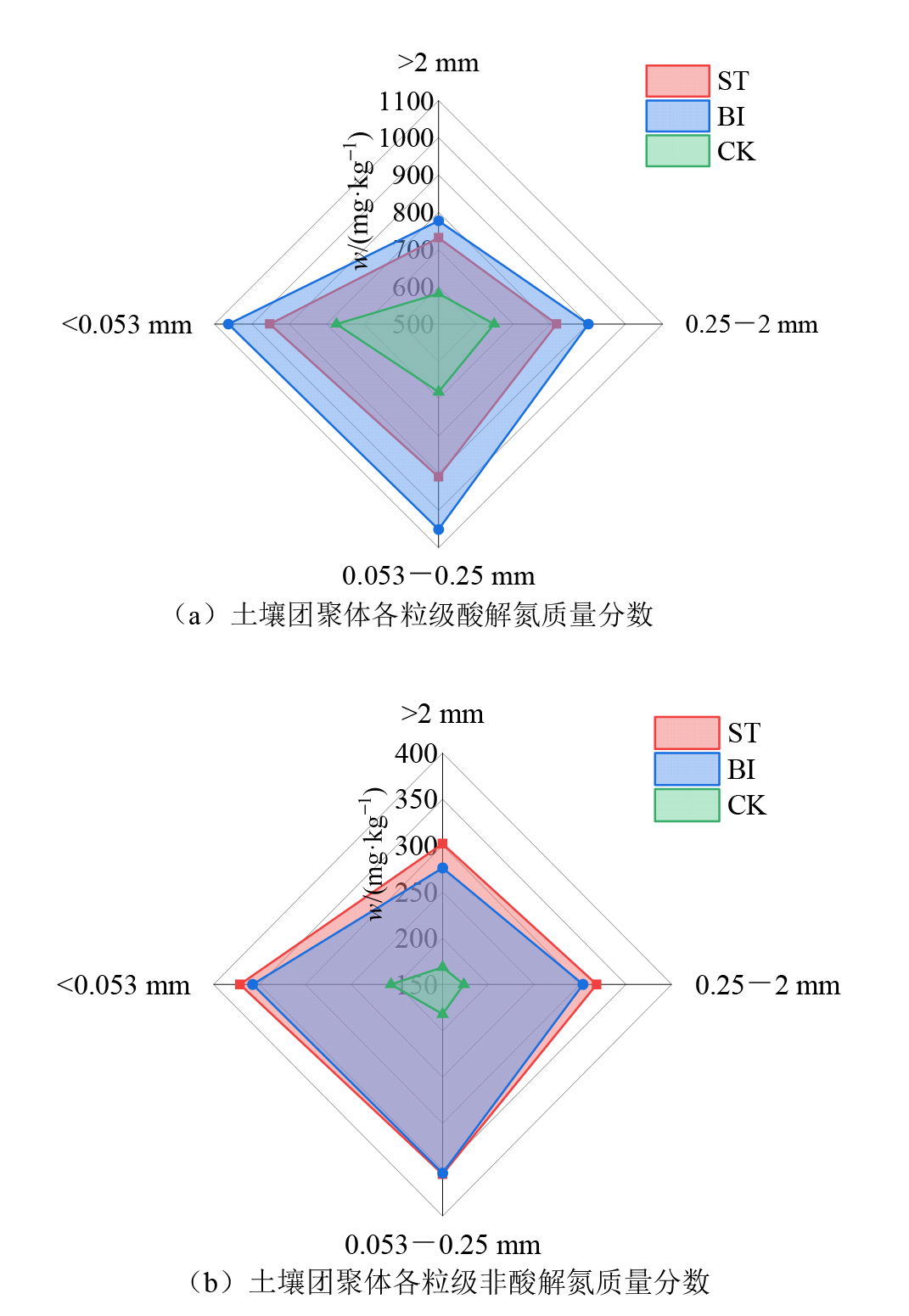
Figure 7 Non-acidolytic nitrogen content and acidolytic nitrogen content in each grain grade of soil aggregates

Figure 8 Correlation between soil organic nitrogen components, soil enzyme activity and microorganisms under biochar and straw returning *p<0.05;**p<0.01
| [1] | BREMNER J M, 1965. Nitrogen Availability Indexes[M]. Madison, WI: American Society of Agronomy: 1324-1345. |
| [2] |
ELGHARABLY A, MARSCHNER P, 2011. Microbial activity and biomass and N and P availability in a saline sandy loam amended with inorganic N and lupin residues[J]. European Journal of Soil Biology, 47(5): 310-315.
DOI URL |
| [3] | JI B Y, HU H, ZHAO Y L, et al., 2014. Effects of deep tillage and straw returning on soil microorganism and enzyme activities[J]. The Scientific World Journal, 1: 451493. |
| [4] |
LEHMANN J, RILLIG M C, THIES J, et al., 2011. Biochar effects on soil biota: A review[J]. Soil Biology and Biochemistry, 43(9): 1812.
DOI URL |
| [5] |
LI S X, WANG Z H, MIAO Y F, et al., 2014. Soil organic nitrogen and its contribution to crop production[J]. Journal of Integrative Agriculture, 13(10): 2061-2080.
DOI URL |
| [6] |
PROMMER J, WANEK W, HOFHANSL F, et al., 2014. Biochar decelerates soil organic nitrogen cycling but stimulates soil nitrification in a temperate arable field trial[J]. PlOS ONE, 9(1): e86388.
DOI URL |
| [7] | WANG D, LAN Y, CHEN W F, et al., 2024. Response of bacterial communities, enzyme activities and dynamic changes of soil organic nitrogen fractions to six-year different application levels of biochar retention in Northeast China[J]. Soil & Tillage Research, 240: 106097. |
| [8] |
WANG F L, LIU Y, LIANG B, et al., 2022. Variations in soil aggregate distribution and associated organic carbon and nitrogen fractions in long-term continuous vegetable rotation soil by nitrogen fertilization and plastic film mulching[J]. The Science of the Total Environment, 835: 155420.
DOI URL |
| [9] |
XU N, TAN G C, WANG H Y, et al., 2016. Effect of biochar additions to soil on nitrogen leaching, microbial biomass and bacterial community structure[J]. European Journal of Soil Biology, 74: 1-8.
DOI URL |
| [10] |
YANG X, SUN Q, YUAN J, et al., 2022. Successive corn stover and biochar applications mitigate N2O emissions by altering soil physicochemical properties and N-cycling-related enzyme activities: A five-year field study in northeast China[J]. Agriculture, Ecosystems and Environment, 340: 108183.
DOI URL |
| [11] |
ZHANG L Y, JING Y M, CHEN C R, et al., 2021. Effects of biochar application on soil nitrogen transformation, microbial functional genes, enzyme activity, and plant nitrogen uptake: A meta‐analysis of field studies[J]. Global Change Biology Bioenergy, 13(12): 1859-1873.
DOI URL |
| [12] |
ZHANG S B, ZHOU J S, CHEN J, et al., 2023. Changes in soil CO2 and N2O emissions in response to urea and biochar-based urea in a subtropical Moso bamboo forest[J]. Soil and Tillage Research, 228: 105625.
DOI URL |
| [13] | ZHAO Y M, WANG X J, YAO G W, et al., 2022. Advances in the effects of biochar on microbial ecological function in soil and crop quality[J]. a)Sustainability, 14(16): 10411. |
| [14] | 常玥昕, 王俊, 杨彩迪, 等, 2025. 秸秆还田对黄土高原典型农田土壤团聚体组成及其碳组分的影响[J/OL]. 环境科学, 1-11[2025-07-23]. https://doi.org/10.13227/j.hjkx.202408279. |
| CHANG Y X, WANG J, YANG C D, et al., 2025. Effect of straw returning on soil aggregate aomposition and carbon fractions in typical farmland of the loess plateau[J/OL]. Environmental Science, 1-11[2025-07-23]. https://doi.org/10.13227/j.hjkx.202408279. | |
| [15] | 陈坤, 2017. 生物炭等有机物料定位施用对土壤微生物群落和有机氮的影响[D]. 沈阳: 沈阳农业大学. |
| CHEN K, 2017. Enfluences of soil microbial community and organic nitrogen under the long-term application of biochar and three organice resources[D]. Shenyang: Shenyang Agricultural University. | |
| [16] | 储成, 程谊, 曹亚澄, 等, 2021. 土壤可溶性有机氮测定方法研究进展[J]. 土壤, 53(3): 449-457. |
| CHU C, CHENG Y, CAO Y C, et al., 2021. Advances in determination of soil dissolved organic nitrogen[J]. Soils, 53(3): 449-457. | |
| [17] | 丛耀辉, 张玉玲, 张玉龙, 等, 2016. 黑土区水稻土有机氮组分及其对可矿化氮的贡献[J]. 土壤学报, 53(2): 457-467. |
| CONG Y H, ZHANG Y L, ZHANG Y L, et al., 2016. Soil organic nitrogen components and their contributions to mineralizable nitrogen in paddy soil of the black soil region[J]. Acta Pedologica Sinica, 53(2): 457-467. | |
| [18] | 冯中洲, 叶泽杰, 翟文露, 等, 2025. 长期施用生物炭对潮土理化特性和小麦产量的影响[J]. 河南农业大学学报, 59(1): 49-56. |
| FENG Z Z, YE Z J, ZHAI W L, et al., 2025. Effects of long-term application of biochar on physicochemical properties and wheat yield in fluvo-aquic soil[J]. Journal of Henan Agricultural University, 59(1): 49-56. | |
| [19] | 高君亮, 罗凤敏, 高永, 等, 2019. 农牧交错带不同土地利用类型土壤碳氮磷生态化学计量特征[J]. 生态学报, 39(15): 5594-5602. |
| GAO J L, LUO F M, GAO Y, et al., 2019. Ecological soil C, N, and P stoichiometry of different land use patterns in the agriculture-pasture ecotone of northern China[J]. Acta Ecologica Sinica, 39(15): 5594-5602. | |
| [20] | 关松荫, 1986. 土壤酶及其研究法[M]. 北京: 农业出版社: 274-278. |
| GUAN S Y, 1986. Soil Enzymes and Their Research methods[M]. Beijing: Agriculture Press: 274-278. | |
| [21] | 韩志旺, 赵志华, 张艳利, 等, 2021. 生物炭对农田土壤中酶活性和细菌群落结构的影响研究[J]. 四川环境, 40(4): 26-34. |
| HAN Z W, ZHAO Z H, ZHANG Y L, et al., 2021. Effects of biochars on enzyme acitivity and bacterial community structure in agricultural soil[J]. Sichuan Environment, 40(4): 26-34. | |
| [22] | 贺纪正, 张丽梅, 2013. 土壤氮素转化的关键微生物过程及机制[J]. 微生物学通报, 40(1): 98-108. |
| HE J Z, ZHANG L M, 2013. Key processes and microbial mechanisms of soil nitrogen transformation[J]. Microbiology China, 40(1): 98-108. | |
| [23] |
蒋婧, 宋明华, 2010. 植物与土壤微生物在调控生态系统养分循环中的作用[J]. 植物生态学报, 34(8): 979-988.
DOI |
|
JIANG J, SONG M H, 2010. Review of the roles of plants and soil microorganisms in regulating ecosystem nutrient cycling[J]. Chinese Journal of Plant Ecology, 34(8): 979-988.
DOI |
|
| [24] | 姜慧敏, 李树山, 张建峰, 等, 2014. 外源化肥氮素在土壤有机氮库中的转化及关系[J]. 植物营养与肥料学报, 20(6): 1421-1430. |
| JIANG H M, LI S S, ZHANG J F, et al., 2014. Transformation of external chemical nitrogen in soil organic nitrogen fractions and their relationship[J]. Journal of Plant Nutrition and Fertilizers, 20(6): 1421-1430. | |
| [25] |
焦亚鹏, 齐鹏, 王晓娇, 等, 2020. 施氮量对农田土壤有机氮组分及酶活性的影响[J]. 中国农业科学, 53(12): 2423-2434.
DOI |
|
JIAO Y P, QI P, WANG X J, et al., 2020. Effects of different nitrogen application rates on soil organic nitrogen components and enzyme activities in farmland[J]. Scientia Agricultura Sinica, 53(12): 2423-2434.
DOI |
|
| [26] | 李春喜, 李斯斯, 邵云, 等, 2019. 减氮条件下有机物料还田对麦田酶活性及其土壤碳氮含量的影响[J]. 作物杂志 (5): 129-134. |
| LI C X, LI S S, SHAO Y, et al., 2019. Effects of organic materials returning on enzyme activities and soil carbon and nitrogen content in wheat field under nitrogen-reducing conditions[J]. Crops (5): 129-134. | |
| [27] | 李红霖, 贺丽, 吴科君, 等, 2023. 黄河上游白河干流全段植物群落特征及生物多样性[J]. 草业科学, 40(4): 848-863. |
| LI H L, HE L, WU K J, et al., 2023. Research on plant community characteristics and biodiversity in the whole section of the main stream of Baihe River in the upper reaches of the Yellow River[J]. Pratacultural Science, 40(4): 848-863. | |
| [28] | 李菊梅, 李生秀, 2003. 可矿化氮与各有机氮组分的关系[J]. 植物营养与肥料学报, 9(2): 158-164. |
| LI J M, LI S X, 2003. Relation of mineralizable N to organic N components[J]. Journal of Plant Nutrition and Fertilizers, 9(2): 158-164. | |
| [29] | 李玲, 仇少君, 陈印平, 等, 2014. 黄河三角洲区土壤活性氮对盐分含量的响应[J]. 环境科学, 35(6): 2358-2364. |
| LI L, QIU S J, CHEN Y P, et al., 2014. Response of active nitrogen to salinity in a soil from the Yellow River Delta[J]. Enviromental Science, 35(6): 2358-2364. | |
| [30] | 李娜, 韩晓增, 尤孟阳, 等, 2013. 土壤团聚体与微生物相互作用研究[J]. 生态环境学报, 22(9): 1625-1632. |
| LI N, HAN X Z, YOU M Y, et al., 2013. Research review on soil aggregates and microbes[J]. Ecology and Environmental Sciences, 22(9): 1625-1632. | |
| [31] |
李想, 于红博, 刘月璇, 等, 2022. 锡林郭勒不同草原类型群落生物量及多样性研究[J]. 草地学报, 30(1): 196-204.
DOI |
|
LI X, YU H B, LIU Y X, et al., 2022. Study on community biomass and diversity of different grassland types in Xilingol[J]. Acta Agrestia Sinica, 30(1): 196-204.
DOI |
|
| [32] | 李玥, 余亚琳, 张欣, 等, 2017. 连续施用炭基肥及生物炭对棕壤有机氮组分的影响[J]. 生态学杂志, 36(10): 2903-2909. |
| LI Y, YU Y L, ZHANG X, et al., 2017. Effects of continuous application of biochar-based fertilizer and biochar on organic nitrogen fractions in brown soil[J]. Chinese Journal of Ecology, 36(10): 2903-2909. | |
| [33] | 刘金山, 戴健, 刘洋, 等, 2015. 过量施氮对旱地土壤碳、氮及供氮能力的影响[J]. 植物营养与肥料学报, 21(1): 112-120. |
| LIU J S, DAI J, LIU Y, et al., 2015. Effects of excessive nitrogen fertilization on soil organic carbon and nitrogen and nitrogen supply capacity in dryland[J]. Journal of Plant Nutrition and Fertilizers, 21(1): 112-120. | |
| [34] | 刘淼, 王志春, 杨福, 等, 2021. 生物炭在盐碱地改良中的应用进展[J]. 水土保持学报, 35(3): 1-8. |
| LIU M, WANG Z C, YANG F, et al., 2021. Application progress of biochar in amelioration of saline-alkaline soil[J]. Journal of Soil and Water Conservation, 35(3): 1-8. | |
| [35] | 鲁如坤, 1999. 土壤农业化学分析方法[M]. 北京: 中国农业科技出版社: 157-159. |
| LU R K, 1999. Analytical methods for soil agrochemistry[M]. Beijing: China Agricultural Science and Technology Press: 157-159. | |
| [36] | 孟繁昊, 高聚林, 于晓芳, 等, 2018. 生物炭配施氮肥改善表层土壤生物化学性状研究[J]. 植物营养与肥料学报, 24(5): 1214-1226. |
| MENG F H, GAO J L, YU X F, et al., 2018. Inprovent of biochemical property of surface soil by combined application of biochar with nitrogen fertilizer[J]. Journal of Plant Nutrition and Fertilizers, 24(5): 1214-1226. | |
| [37] | 米会珍, 朱利霞, 沈玉芳, 等, 2015. 生物炭对旱作农田土壤有机碳及氮素在团聚体中分布的影响[J]. 农业环境科学学报, 34(8): 1550-1556. |
| MI H Z, ZHU L X, SHEN Y F, et al., 2015. Biochar effects on organic carbon and nitrogen in soil aggregates in semiarid farmland[J]. Journal of Agro-Environment Science, 34(8): 1550-1556. | |
| [38] | 潘剑玲, 代万安, 尚占环, 等, 2013. 秸秆还田对土壤有机质和氮素有效性影响及机制研究进展[J]. 中国生态农业学报, 21(5): 526-535. |
|
PAN J L, DAI W A, SHANG Z H, et al., 2013. Review of research progress on the influence and mechanism of field straw residue incorporation on soil organic matter and nitrogen availability[J]. Chinese Journal of Eco-Agriculture, 21(5): 526-535.
DOI URL |
|
| [39] | 尚杰, 耿增超, 陈心想, 等, 2015. 施用生物炭对旱作农田土壤有机碳、氮及其组分的影响[J]. 农业环境科学学报, 34(3): 509-517. |
| SHANG J, GENG Z C, CHEN X X, et al., 2015. Effects of biochar on soil organic carbon and nitrogen and their fractions in a rainfed farmland[J]. Journal of Agro-Environment Science, 34(3): 509-517. | |
| [40] | 沈仁芳, 赵学强, 2015. 土壤微生物在植物获得养分中的作用[J]. 生态学报, 35(20): 6584-6591. |
| SHEN R F, ZHAO X Q, 2015. Role of soil microbes in the acquisition of nutrients by plants[J]. Acta Ecologica Sinica, 35(20): 6584-6591. | |
| [41] | 沈晓琳, 王丽丽, 汪洋, 等, 2020. 保护性耕作对土壤团聚体微生物及线虫群落的影响研究进展[J]. 农业资源与环境学报, 37(3): 361-370. |
| SHEN X L, WANG L L, WANG Y, et al., 2020. Progress on the effects of conservation tillage on soil aggregates, microbes, and nematode communities[J]. Journal of Agricultural Resources and Environment, 37(3): 361-370. | |
| [42] | 宋震震, 李絮花, 李娟, 等, 2014. 有机肥和化肥长期施用对土壤活性有机氮组分及酶活性的影响[J]. 植物营养与肥料学报, 20(3): 525-533. |
| SONG Z Z, LI X H, LI J, et al., 2014. Long-term effects of mineral versus organic fertilizers on soil labile nitrogen fractions and soil enzyme activities in agricultural soil[J]. Journal of Plant Nutrition and Fertilizers, 20(3): 525-533. | |
| [43] | 孙瀚, 屈杰, 王晓雯, 等, 2021. 黄河三角洲盐渍土有机氮组成及氮有效性对土壤含盐量的响应[J]. 中国生态农业学报, 29(8): 1397-1404. |
| SUN H, QU J, WANG X W, et al., 2021. The response of soil organic nitrogen fractions and nitrogen availability to salinity in saline soils of the Yellow River Delta[J]. Chinese Journal of Eco-Agriculture, 29(8): 1397-1404. | |
| [44] | 孙佳, 夏江宝, 苏丽, 等, 2020. 黄河三角洲盐碱地不同植被模式的土壤改良效应[J]. 应用生态学报, 31(4): 1323-1332. |
| SUN J, XIA J B, SU L, et al., 2020. Soil amelioration of different vegetation types in saline-alkali land of the Yellow River Delta[J]. Chinese Journal of Applied Ecology, 31(4): 1323-1332. | |
| [45] |
王飞, 李清华, 何春梅, 等, 2023. 长期施肥对黄泥田土壤团聚体中氮素积累和有机氮组成的影响[J]. 中国农业科学, 56(9): 1718-1728.
DOI |
|
WANG F, LI Q H, HE C M, et al., 2023. Effects of long-term fertilization on nitrogen accumulations and organic nitrogen components in soil aggregates in Yellow-Mud paddy soil[J]. Scientia Agricultura Sinica, 56(9): 1718-1728.
DOI |
|
| [46] | 杨华, 陈莎莎, 冯哲叶, 等, 2017. 土壤微生物与有机物料对盐碱土团聚体形成的影响[J]. 农业环境科学学报, 36(10): 2080-2085. |
| YANG H, CHEN S S, FENG Z Y, et al., 2017. Combined effects of soil microbes and organic matter on aggregate formation in saline-alkali soil[J]. Journal of Agro-Environment Science, 36(10): 2080-2085. | |
| [47] | 袁晶晶, 同延安, 卢绍辉, 等, 2018. 生物炭与氮肥配施改善土壤团聚体结构提高红枣产量[J]. 农业工程学报, 34(3): 159-165. |
| YUAN J J, TONG Y A, LU Z H, et al., 2018. Biochar and nitrogen amendments improving soil aggregate structure and jujube yields[J]. Transactions of the Chinese Society of Agricultural Engineering, 34(3): 159-165. | |
| [48] | 曾全超, 李鑫, 董扬红, 等, 2015. 黄土高原不同乔木林土壤微生物量碳氮和溶解性碳氮的特征[J]. 生态学报, 35(11): 3598-3605. |
| ZENG Q C, LI X, DONG Y H, et al., 2015. Soil microbial biomass nitrogen and carbon, water soluble nitrogen and carbon under different arbors forests on the Loess Plateau[J]. Acta Ecologica Sinica, 35(11): 3598-3605. | |
| [49] | 曾庆庭, 2018. 半微量凯氏定氮法测定地球化学样品中全氮时的影响因素及消除方法[J]. 广东化工, 45(12): 225-226, 220. |
| ZENG Q T, 2018. The influence factors and elimination methods of the determination of nitrogen in geochemical samples by sei-micro kjeldahl method[J]. Guangdong Chemical Industry, 45(12): 225-226, 220. | |
| [50] | 战秀梅, 彭靖, 王月, 等, 2015. 生物炭及炭基肥改良棕壤理化性状及提高花生产量的作用[J]. 植物营养与肥料学报, 21(6): 1633-1641. |
| ZHAN X M, PENG J, WANG Y, et al., 2015. Influences of application of biochar and biochar-based fertilizer on brown soil physiochemical properties and peanut yields[J]. Journal of Plant Nutrition and Fertilizers, 21(6): 1633-1641. | |
| [51] |
张伟明, 陈温福, 孟军, 等, 2019. 东北地区秸秆生物炭利用潜力、产业模式及发展战略研究[J]. 中国农业科学, 52(14): 2406-2424.
DOI |
|
ZHANG W M, CHEN W F, MENG J, et al., 2019. Study of straw-biochar on utilization potential, Industry model and developing strategy in northeast China[J]. Scientia Agricultura Sinica, 52(14): 2406-2424.
DOI |
|
| [52] |
张秀敏, 高日平, 康文钦, 等, 2021. 秸秆还田对盐碱地改良的研究进展[J]. 北方农业学报, 49(5): 85-92.
DOI |
|
ZHANG X M, GAO R P, KANG W Q, et al., 2021. Research progress of the straw returning on soil improvement in saline-alkali land[J]. Journal of Northern Agriculture, 49(5): 85-92.
DOI |
|
| [53] | 周建斌, 陈竹君, 郑险峰, 2005. 土壤可溶性有机氮及其在氮素供应及转化中的作用[J]. 土壤通报, 36(2): 244-248. |
| ZHOU J B, CHEN J Z, ZHEN X F, 2005. Soluble organic nitrogen in soil and its roles in the sapply and transformation of N[J]. Chinese Journal of Soil Science, 36(2): 244-248. |
| [1] | SHI Hanzhi, CAO Yiran, LIU Fan, WU Zhichao, LI Furong, DENGTENG Haobo, XU Aiping, LI Dongqin, WEN Dian, WANG Xu. Study on the Regulation of Soil Lead Forms Transformation under the Combined Action of Straw and Bacteria [J]. Ecology and Environmental Sciences, 2026, 35(1): 155-166. |
| [2] | TANG Zhongao, CHUN Zhenjie, DUAN Xingwu, ZHANG Ruihuan, RONG Li, LIU Wenxu. Simulated Effects of Erosion on Soil Microorganisms and Soil Organic Carbon [J]. Ecology and Environmental Sciences, 2026, 35(1): 54-61. |
| [3] | LIU Fengjuan, MA Chao, HUANG Linghan, CHEN Qi, LUO Xuqiang. Effects of Biochar Addition on the Phytoavailability of As and Sb in Tailings-contaminated Soil [J]. Ecology and Environmental Sciences, 2025, 34(8): 1273-1281. |
| [4] | HE Huan, ZHOU Dandan, MA Zhixuan, LI Fangfang, QIN Shanshan, DOU Sixian. Effect of Calcium Modification on the Binding of Biochar-derived Dissolved Organic Matter with Cd(II) [J]. Ecology and Environmental Sciences, 2025, 34(7): 1121-1132. |
| [5] | LIN Yongyi, ZHOU Yanfei, DENG Jinhuan, TIAN Jihui, CAI Kunzheng. Biochar Combined with Phosphorus Promote Silicon Fraction Transformation and Si Absorption of Soybean Plant in Latosolic Red Soil [J]. Ecology and Environmental Sciences, 2025, 34(5): 710-719. |
| [6] | WU Xiaoling, DU Yanhong, DOU Fei, GAO Shuangquan, WANG Xiangqin. A Long-term Positioning Experiment of Heavy Metal-Contaminated Vegetable Fields Remediated by Biochar and Humus [J]. Ecology and Environmental Sciences, 2025, 34(12): 1952-1961. |
| [7] | WANG Yongmei, YUAN Yuzhen, WANG Zicheng, LI Zhifeng, GAO Shuangquan, LIU Chuanping, DU Yanhong. Long-term Effects of Biochar Coupled with Chemical Fertilizer Reduction on the Safe Production of Sweet Corn in Heavy Metal-Contaminated Soils [J]. Ecology and Environmental Sciences, 2025, 34(12): 1962-1973. |
| [8] | ZHAO Chengxiao, MA Jianghong, LIU Hongxia, HU Jingwen, PAN Zitong, WANG Jiaying, LI Jinye. Enhanced Nitrogen Removal of Constructed Wetlands by Biochar [J]. Ecology and Environmental Sciences, 2025, 34(12): 1985-1992. |
| [9] | JI Bo, CHENG Hongguang, HAN Shiming, XING Dan, WU Zhibing, ZHANG Jinlian, LIU Fang, ZHU Yi, DENG Lirong, ZHANG Xiaosong. Research Advances in the Effects of Biochar and Arbuscular Mycorrhizal Fungi on Soil Phosphorus Supply [J]. Ecology and Environmental Sciences, 2025, 34(11): 1812-1826. |
| [10] | SHI Hanzhi, XIONG Zhenqian, CAO Yiran, WU Zhichao, WEN Dian, LI Furong, LI Dongqin, WANG Xu. Effect of Straw Returning to Field on Organic Carbon Fixation in Red Soil and Black Soil [J]. Ecology and Environmental Sciences, 2024, 33(9): 1372-1383. |
| [11] | FAN Beibie, DING Shuai, ZHANG Tiantian, ZHANG Shuai, WEI Lulu, CHEN Qing. Simulation Study on Phosphorus Loss Risk with Periodic Flooding-Drying and Straw Incorporation in a Dolomite-Amended Brown Soil [J]. Ecology and Environmental Sciences, 2024, 33(8): 1203-1213. |
| [12] | LU Cong. Removal Effect and Mechanism of DBDPE in Sediments by Biochar-loaded Nano-zero-valent Iron [J]. Ecology and Environmental Sciences, 2024, 33(8): 1279-1288. |
| [13] | CHEN Wenzhe, HUANG Qiuxiang, MENG Fande, GAO Jinyan, LI Min, ZHANG Enjun, YUAN Guodong. Impacts of Oxalic and Tartaric Acids on Arsenic Desorption from a Paddy Soil [J]. Ecology and Environmental Sciences, 2024, 33(8): 1298-1305. |
| [14] | LI Duomei, KONG Tao, CHEN Xi, GAO Mingfu, GAO Xichen, ZENG Zeyu, BAO Jiahui. Effects of Residue after Evaporation Mixed Fertilizer and Grass Mat Mulching Measures on the Growth and Soil Nutrient Content of Pasture Grasses in the Dry Zone of Xinjiang [J]. Ecology and Environmental Sciences, 2024, 33(4): 548-559. |
| [15] | WANG Shiping, LI Mei, AN Ya, QIN Haoli. The Effect of Magnesium Modification on Enhancing Cadmium Adsorption Capacity of Wheat Straw Biochar: A Surface Complexation Modeling Approach [J]. Ecology and Environmental Sciences, 2024, 33(4): 617-625. |
| Viewed | ||||||
|
Full text |
|
|||||
|
Abstract |
|
|||||
Copyright © 2021 Editorial Office of ACTA PETROLEI SINICA
Address:No. 6 Liupukang Street, Xicheng District, Beijing, P.R.China, 510650
Tel: 86-010-62067128, 86-010-62067137, 86-010-62067139
Fax: 86-10-62067130
Email: syxb@cnpc.com.cn
Support byBeijing Magtech Co.ltd, E-mail:support@magtech.com.cn
