生态环境学报 ›› 2026, Vol. 35 ›› Issue (9): 1370-1380.DOI: 10.16258/j.cnki.1674-5906.2026.09.004
梁菀婷1,2( ), 龙江慧1,2, 李艳红1, 梁银秀2,*(), 许玫英2,*()
收稿日期:2026-02-25
修回日期:2026-07-22
接受日期:2026-08-14
出版日期:2026-09-18
发布日期:2026-09-16
通讯作者:
梁银秀, E-mail: 作者简介:梁菀婷(2000年生),女,硕士研究生,研究方向为环境微生物修复技术。E-mail: lwt000707@163.com
基金资助:
Liang Wanting1,2(), Long Jianghui1,2, Li Yanhong1, Liang Yinxiu2,*(), Xu Meiying2,*()
Received:2026-02-25
Revised:2026-07-22
Accepted:2026-08-14
Online:2026-09-18
Published:2026-09-16
摘要:
【目的】生物地球电池效应广泛存在于地表水和海洋生态系统中,但其对沉积物溶解性有机质(Dissolved organic matter,DOM)转化的影响尚缺乏系统认识。本文旨在阐明近岸海域沉积物中DOM在人工生物地球电池效应下的转化特征及其微生物驱动机制。【方法】通过外置电极构建了近岸海域沉积物人工生物地球电池,共运行84 d。运行期间监测体系输出电压和沉积物电位,分析DOM含量、荧光组分和电化学特性,以及沉积物与电极生物膜的微生物群落结构。【结果】运行期间,当外接100 Ω电阻时,该体系的最高输出电压为57.3 mV;沉积物的最大平均自电位(以水-沉积物界面处电位为零点)为93.9 mV。与已有研究相比,本体系的输出电压较低,生物地球电池效应相对较弱。在此弱效应下,DOM含量在84 d内基本保持不变,而无该效应体系中DOM含量明显下降,说明该人工体系有助于减缓近岸海域沉积物中的碳损失,增强碳保留能力。此外,在该效应下,DOM更倾向于转化为电子转移能力较强的类酪氨酸物质,使得人工生物地球电池中DOM的电子转移能力达(5.20 ± 0.27)mmol·g−1,明显高于无生物地球电池效应体系的(4.01 ± 0.36)与(3.70 ± 0.08)mmol·g−1,有利于沉积物中的电子传递过程。【结论】生物地球电池效应通过调控沉积物中电子供体和受体的利用模式,提高了沉积物电位,进而驱动微生物群落结构变化,从而塑造了DOM的组成与电化学特性。本研究为深入理解具有生物地球电池效应的沉积物生态功能提供了关键依据,并为基于该效应的碳循环调控策略奠定了科学基础。
中图分类号:
梁菀婷, 龙江慧, 李艳红, 梁银秀, 许玫英. 人工生物地球电池效应下近岸海域沉积物DOM的转化特征[J]. 生态环境学报, 2026, 35(9): 1370-1380.
Liang Wanting, Long Jianghui, Li Yanhong, Liang Yinxiu, Xu Meiying. Transformation Characteristics of Dissolved Organic Matter in Coastal Marine Sediments under the Influence of an Artificial Biogeobattery[J]. Ecology and Environmental Sciences, 2026, 35(9): 1370-1380.
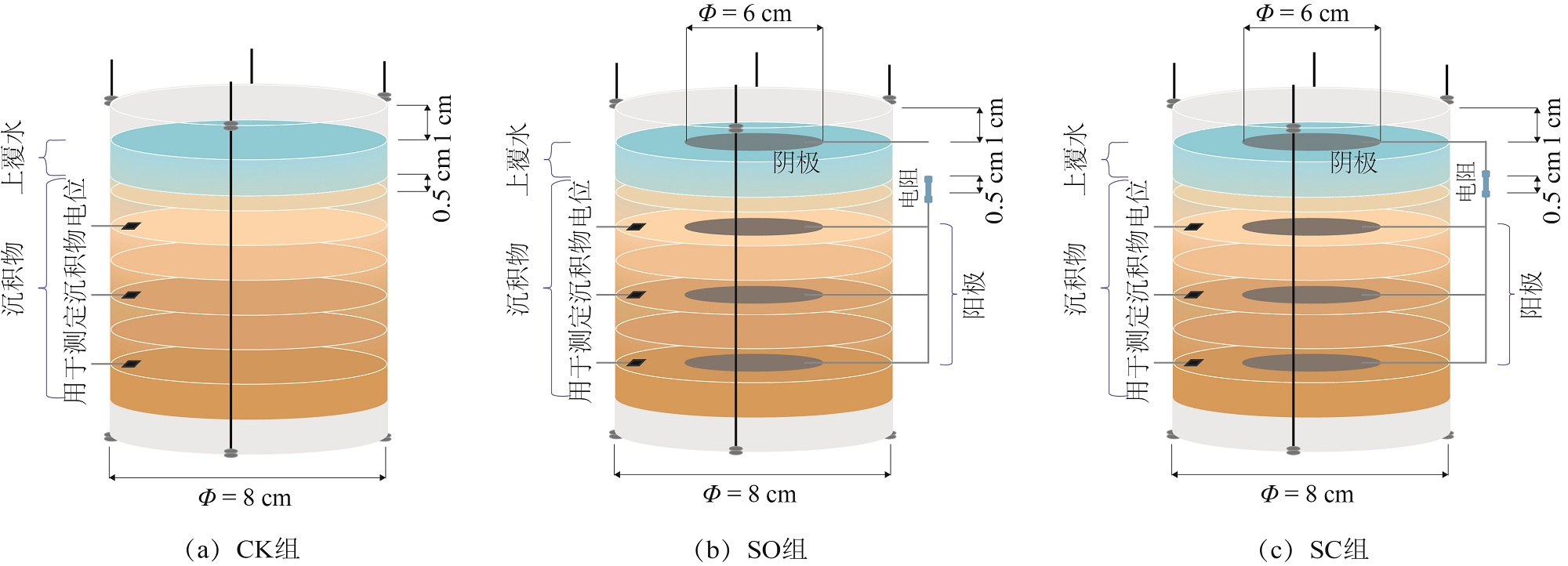
图1 反应装置结构示意图
Figure 1 Schematic diagrams of reactors
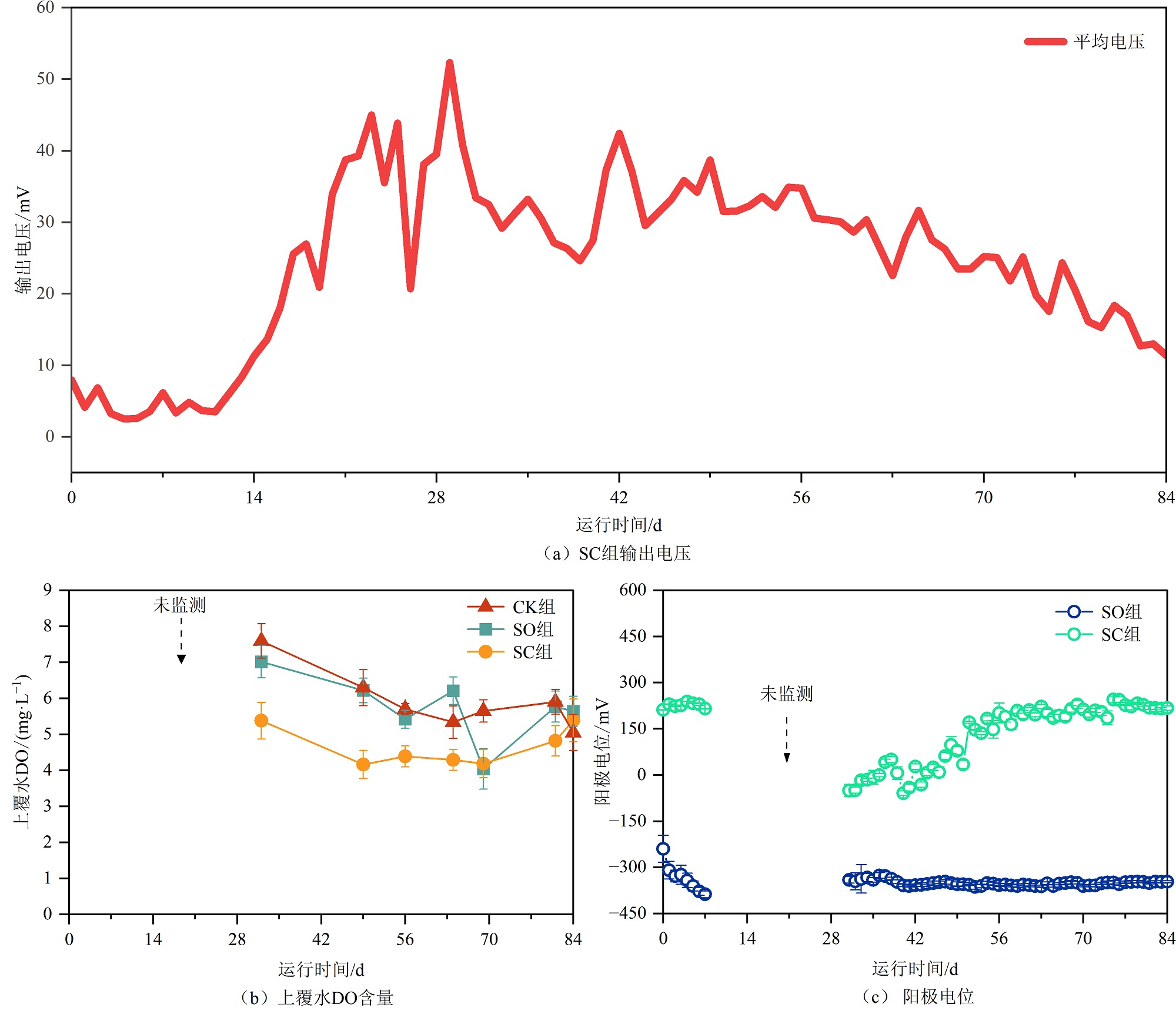
图2 输出电压、上覆水DO含量和阳极平均电位
Figure 2 Output voltage and DO concentrations in the overlying water, and electric potential of anode
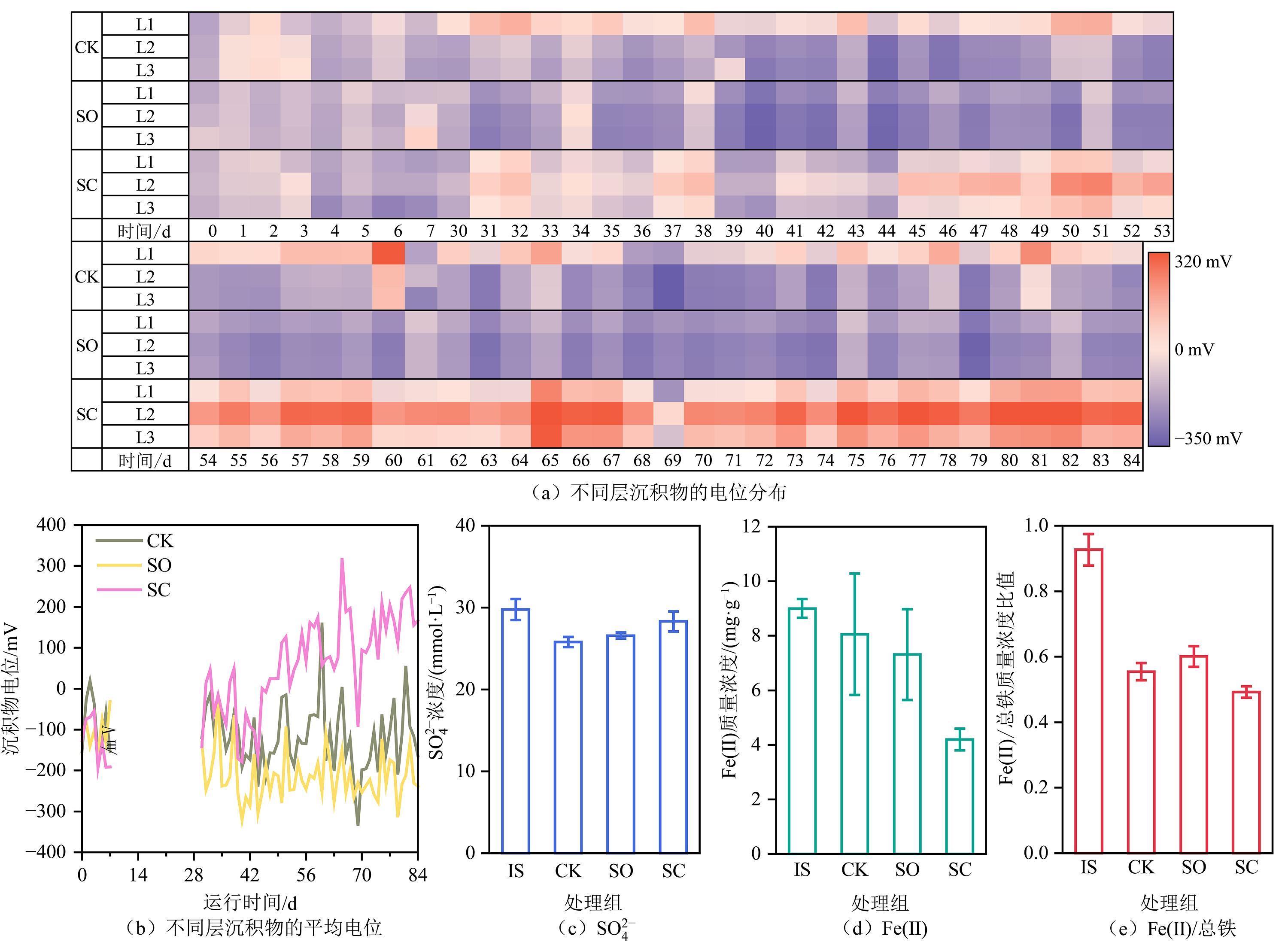
图3 沉积物电位和电子受体分布
Figure 3 Variations in electric potential of and concentrations of electron acceptors in sediment
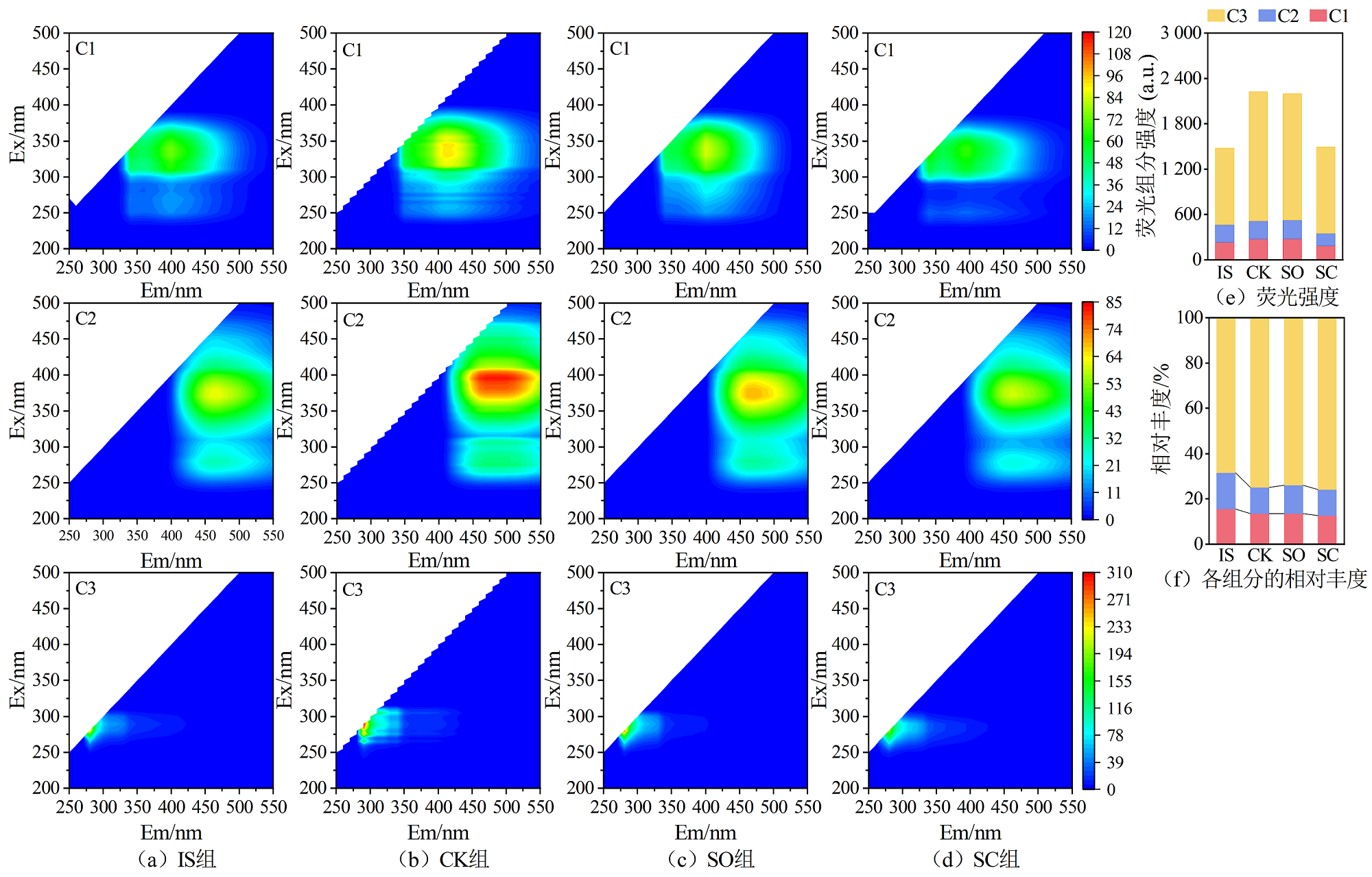
图4 沉积物DOM的3D-EEM光谱、荧光强度及其相对丰度
Figure 4 Three-dimensional fluorescence spectra, fluorescence intensity and its relative abundance of DOM extracted from sediment
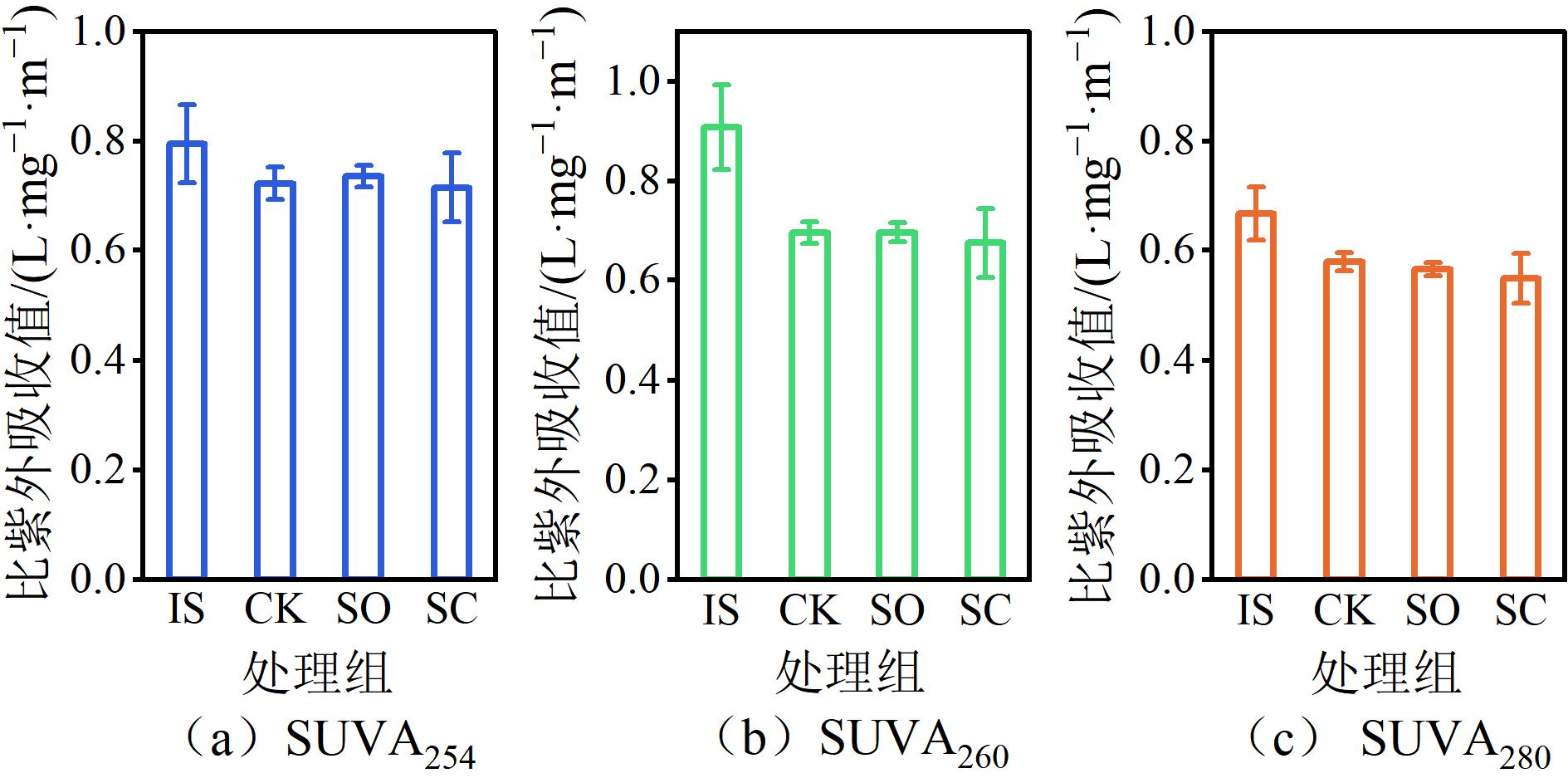
图5 沉积物DOM的UV光谱指数
Figure 5 UV indexes of DOM extracted from sediment
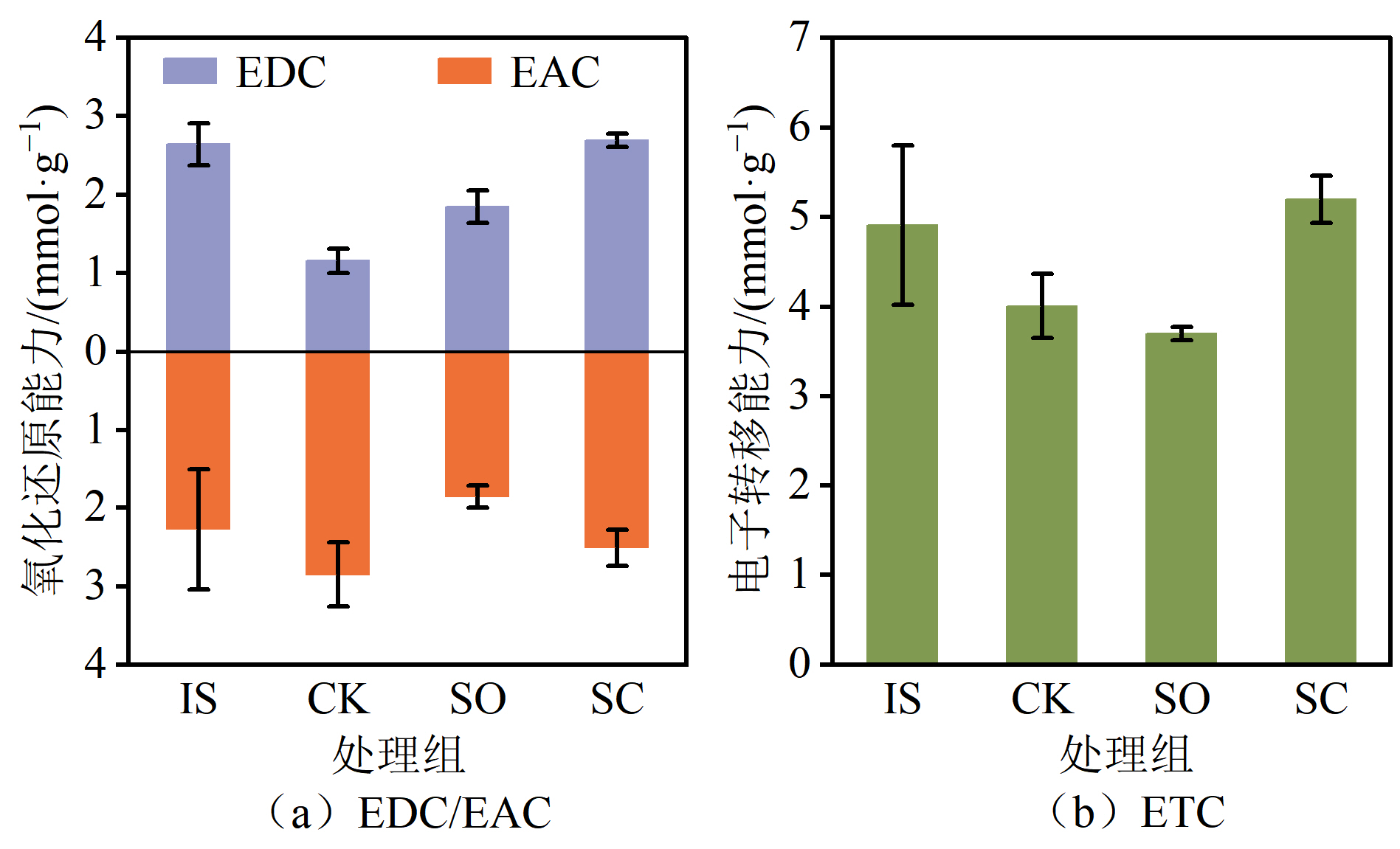
图6 DOM的电子接收、供给、转移能力
Figure 6 Electron-accepting, -donating and -transfer capacities

图7 沉积物与阳极生物膜中的微生物相对丰度
Figure 7 Relative abundance of microbial communities in sediment and on anode
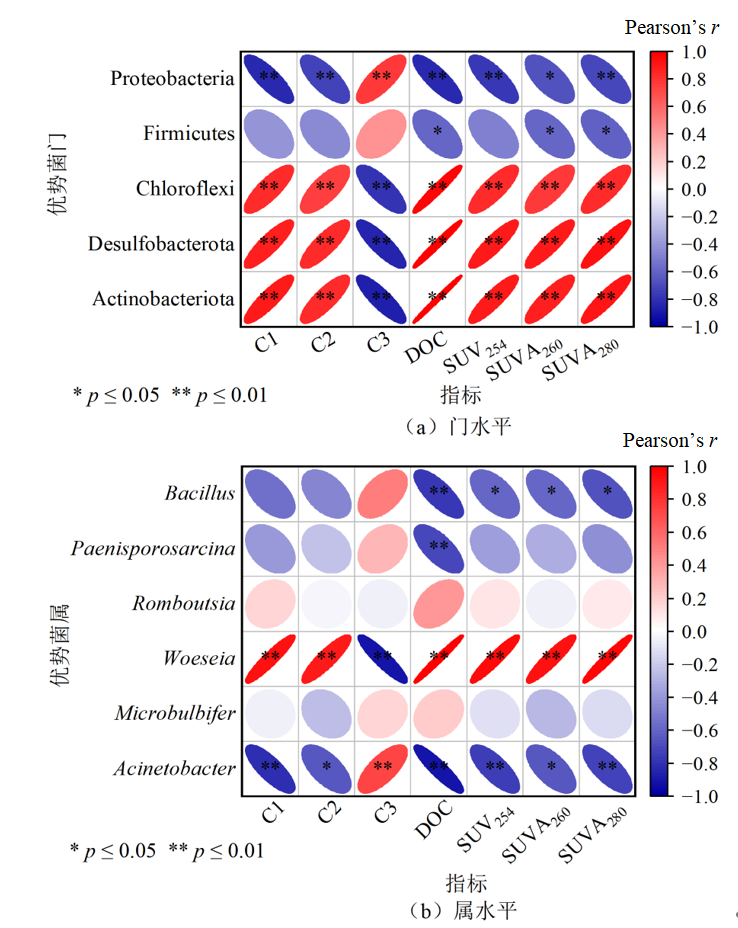
图8 微生物群落与沉积物中DOM的相关关系
Figure 8 Correlation between microbial communities and DOM characteristics
| [1] |
Armato C, Ahmed D, Agostino V, et al., 2019. Anodic microbial community analysis of microbial fuel cells based on enriched inoculum from freshwater sediment[J]. Bioprocess and Biosystems Engineering, 42: 697-709.
DOI PMID |
| [2] | Bergmann F, Selesi D, Weinmaier T, et al., 2010. Genomic insights into the metabolic potential of the polycyclic aromatic hydrocarbon degrading sulfate-reducing Deltaproteobacterium N47[J]. Environmental Micro Biology, 13(5): 1125-1137. |
| [3] |
Che J G, Bai Y D, Li X, et al., 2021. Linking microbial community structure with molecular composition of dissolved organic matter during an industrial-scale composting[J]. Journal of Hazardous Materials, 405: 124281.
DOI URL |
| [4] |
Chen M L, Hur J, 2015. Pre-treatments, characteristics, and biogeochemical dynamics of dissolved organic matter in sediments: A review[J]. Water Research, 79: 10-25.
DOI PMID |
| [5] |
Chin Y P, Aiken G, O’Loughlin E, 1994. Molecular weight, polydispersity, and spectroscopic properties of aquatic humic substances[J]. Environmental Science and Technology, 28(11): 1853-1858.
DOI PMID |
| [6] |
Cui S H, Wang R, Chen Q, et al., 2024. Geobatteries in environmental biogeochemistry: Electron transfer and utilization[J]. Environmental Science and Ecotechnology, 22: 100446.
DOI URL |
| [7] |
Dalmagro H J, Lathuillière M J, Sallo F D S, et al., 2019. Streams with riparian forest buffers versus impoundments differ in discharge and DOM characteristics for pasture catchments in Southern Amazonia[J]. Water, 11(2): 390.
DOI URL |
| [8] |
Dou X D, Su H, Xu D D, et al., 2022. Enhancement effects of dissolved organic matter leached from sewage sludge on microbial reduction and immobilization of Cr(VI) by Geobacter sulfurreducens[J]. Science of the Total Environment, 835: 155301.
DOI URL |
| [9] |
Dyksma S, Bischof K, Fuchs B M, et al., 2016. Ubiquitous Gammaproteobacteria dominate dark carbon fixation in coastal sediments[J]. The ISME Journal, 10(8): 1939-1953.
DOI URL |
| [10] |
Garbini G L, Barra Caracciolo A, Grenni P, 2023. Electroactive bacteria in natural ecosystems and their applications in microbial fuel cells for bioremediation: A review[J]. Microorganisms, 11(5): 1255.
DOI URL |
| [11] |
Hong S W, Kim H S, Chung T H, 2010. Alteration of sediment organic matter in sediment microbial fuel cells[J]. Environmental Pollution, 158(1): 185-191.
DOI PMID |
| [12] | Huang M, Zhou M, Li Z, et al., 2022. How do drying-wetting cycles influence availability of heavy metals in sediment? A perspective from DOM molecular composition[J]. Water Research, 220: 118671. |
| [13] |
Jeon H J, Choi Y K, Kumaran R S, et al., 2012. Electrochemical control of methane emission from lake sediment using microbial fuel cells[J]. Bulletin of The Korean Chemical Society, 33(7): 2401.
DOI URL |
| [14] |
Li H N, Tian Y, Qiu Y P, et al., 2017. A pilot-scale benthic microbial electrochemical system (BMES) for enhanced organic removal in sediment restoration[J]. Scientific Reports, 7: 39802
DOI PMID |
| [15] |
Liang Y X, Dong M J, Yang S, et al., 2025. Electroactive bacteria-established long-distance electron transfer to oxygen facilitates bio-transformation of dissolved organic matter for sediment remediation[J]. Water Research, 270: 122829.
DOI URL |
| [16] |
Liang Y X, Ji M, Zhai H Y, et al., 2021. Organic matter composition, BaP biodegradation and microbial communities at sites near and far from the bioanode in a soil microbial fuel cell[J]. Science of The Total Environment, 772: 144919.
DOI URL |
| [17] |
Liu B Y, Zhai H Y, Liang Y X, et al., 2019a. Increased power production and removal efficiency of polycyclic aromatic hydrocarbons by plant pumps in sediment microbial electrochemical systems: A preliminary study[J]. Journal of Hazardous Materials, 380: 120896.
DOI URL |
| [18] |
Liu C, Du Y H, Yin H B, et al., 2019b. Exchanges of nitrogen and phosphorus across the sediment-water interface influenced by the external suspended particulate matter and the residual matter after dredging[J]. Environmental Pollution, 246: 207-216.
DOI URL |
| [19] |
Liu S J, Xi B D, Qiu Z P, et al., 2019c. Succession and diversity of microbial communities in landfills with depths and ages and its association with dissolved organic matter and heavy metals[J]. Science of the Total Environment, 651: 909-916.
DOI URL |
| [20] |
Logan B E, 2009. Exoelectrogenic bacteria that power microbial fuel cells[J]. Nature Reviews. Microbiology, 7(5): 375-381.
DOI PMID |
| [21] |
Lovley D R, Holmes D E, 2022. Electromicrobiology: the ecophysiology of phylogenetically diverse electroactive microorganisms[J]. Nature Reviews Microbiology, 20: 5-19.
DOI |
| [22] |
Meysman F J R, Cornelissen R, Trashin S, et al., 2019. A highly conductive fibre network enables centimetre-scale electron transport in multicellular cable bacteria[J]. Nature Communications, 10(1): 4120.
DOI PMID |
| [23] |
Nielsen L P, Risgaard-Petersen N, Fossing H, et al., 2010. Electric currents couple spatially separated biogeochemical processes in marine sediment[J]. Nature, 463(7284): 1071-1074.
DOI |
| [24] | Revil A, Mendonça C A, Atekwana E A, et al., 2010. Understanding biogeobatteries: Where geophysics meets microbiology[J]. Journal of Geophysical Research: Biogeosciences, 115(G1): G001065. |
| [25] |
Rodríguez F J, Schlenger P, García-Valverde M, 2016. Monitoring changes in the structure and properties of humic substances following ozonation using UV-vis, FTIR and 1H NMR techniques[J]. Science of the Total Environment, 541: 623-637.
DOI URL |
| [26] |
Scholz V V, Meckenstock R U, Nielsen L P, et al., 2020. Cable bacteria reduce methane emissions from rice-vegetated soils[J]. Nature Communications, 11: 1878.
DOI PMID |
| [27] | Shaw D R, Katuri K P, Sapireddy V, et al., 2025. Independently evolved extracellular electron transfer pathways in ecologically diverse Desulfobacterota[J]. The ISME Journal, 19(1): wraf097. |
| [28] |
Sorokin D Y, Tourova T P, Henstra A M, et al., 2008. Sulfidogenesis under extremely haloalkaline conditions by Desulfonatronospira thiodismutans gen. nov., sp. nov., and Desulfonatronospira delicata sp. nov. - a novel lineage of Deltaproteobacteria from hypersaline soda lakes[J]. Microbiology, 154: 1444-1453.
DOI URL |
| [29] |
Taşkan B, Baklr M, Taşkan E, 2021. Enhanced power generation from algal biomass using multi‐anode membrane‐less sediment microbial fuel cell[J]. International Journal of Energy Research, 45(2): 2011-2022.
DOI URL |
| [30] |
Xie J, Cui Y A, Zhang L, et al., 2020. Numerical modeling of biogeobattery system from microbial degradation of underground organic contaminant[J]. SN Applied Sciences, 2: 208.
DOI |
| [31] |
Yang C M, Sun J L, Chen Y Y, et al., 2020. Linkage between water soluble organic matter and bacterial community in sediment from a shallow, eutrophic lake, Lake Chaohu, China[J]. Journal of Environmental Sciences, 98(12): 39-46.
DOI URL |
| [32] |
Yao X, Zhang Y L, Zhu G W, et al., 2011. Resolving the variability of CDOM fluorescence to differentiate the sources and fate of DOM in Lake Taihu and its tributaries[J]. Chemosphere, 82(2): 145-155.
DOI PMID |
| [33] |
Mcadams B C, Aiken G R, Mcknight D M, et al., 2018. High pressure size exclusion chromatography (HPSEC) determination of dissolved organic matter molecular weight revisited: Accounting for changes in stationary phases, analytical standards, and isolation methods[J]. Environmental Science and Technology, 52(2): 722-730.
DOI PMID |
| [34] |
Wang S, Wang Y, He X, et al., 2022. Degradation or humification: Rethinking strategies to attenuate organic pollutants[J]. Trends in Biotechnology, 40(9): 1061-1072.
DOI URL |
| [35] |
Weishaar J L, Aiken G R, Bergamaschi B A, et al., 2003. Evaluation of specific ultraviolet absorbance as an indicator of the chemical composition and reactivity of dissolved organic carbon[J]. Environmental Science and Technology, 37(20): 4702-4708.
DOI PMID |
| [36] |
Zhang K, Hu Z, Zeng F F, et al., 2019. Biodegradation of petroleum hydrocarbons and changes in microbial community structure in sediment under nitrate-, ferric-, sulfate-reducing and methanogenic conditions[J]. Journal of Environmental Management, 249: 109425.
DOI URL |
| [37] |
Zhao Q, Ji M, Li R Y, et al., 2015. Long-term performance of sediment microbial fuel cells with multiple anodes[J]. Bioresource Technology, 237: 178-185.
DOI URL |
| [38] | 邓培红, 宋玲, 2024. 酪氨酸在电还原氧化石墨烯修饰电极上的电化学行为及其在食品中的测定[J]. 衡阳师范学院学报, 45(3): 47-53. |
| Deng P H, Song L, 2024. Electrochemical behavior of tyrosine at electrochemically reduced graphene oxide modified electrode and its determination in food samples[J]. Journal of Hengyang Normal University, 45(3): 47-53. | |
| [39] | 刘海坤, 曹元哲, 1992. 酪氨酸电化学行为研究及其动力学参数的测定[J]. 化学研究与应用, 4(3): 32-38. |
| Liu H K, Cao Y Z, 1992. Investigation of electrochemical behavior of tyrosine and its kinetic parameter determination[J]. Chemical Research and Application, 4(3): 32-38. | |
| [40] | 曲有鹏, 吕江维, 董跃 等, 2021. 电催化-生物电化学耦合系统处理青霉素废水的机制[J]. 环境科学, 42(5): 2378-2384. |
| Qu Y P, Lü J W, Dong Y, et al., 2021. Mechanisms of penicillin wastewater treatment by coupled electrocatalytic and bioelectrochemical systems[J]. Environmental Science, 42(5): 2378-2384. |
| [1] | 孙凌云, 沈成阳, 张文, 符传良, 吴治澎, 张冬明. 不同母岩发育砖红壤溶解性有机质光谱特征及其对微生物养分限制的影响[J]. 生态环境学报, 2026, 35(7): 1083-1097. |
| [2] | 邵佳丽, 谷海红, 张莹, 任宇松, 原心如, 艾艳君. 紫花苜蓿-AMF-根瘤菌双共生系统对铜和铬污染尾矿的修复作用[J]. 生态环境学报, 2026, 35(7): 1136-1150. |
| [3] | 符小坤, 杜雨菲, 郑传洁, 贾文浩, 王旭程, 马旖旎, 黄开波. 热带岛屿不同水体溶解性有机质特征研究[J]. 生态环境学报, 2026, 35(5): 770-783. |
| [4] | 蒋凯, 柯常栋, 王丽萍, 李朋辉, 赖迪智, 张杨, 吴永洁, 吴仁人, 肖利平. 珠江广州河段粪便污染和溶解有机质的来源解析及分布特征[J]. 生态环境学报, 2025, 34(9): 1452-1462. |
| [5] | 贺环, 周丹丹, 马芷萱, 李芳芳, 秦珊珊, 豆思娴. 钙改性对生物炭中溶解性有机质与Cd(Ⅱ)结合的影响[J]. 生态环境学报, 2025, 34(7): 1121-1132. |
| [6] | 梁冬霞, 郜礼阳, 张风姬, 周巧仪, 黄华林, 穆小婷, 凌彩金. 淹水对茶园土壤养分和微生物群落结构的影响[J]. 生态环境学报, 2025, 34(11): 1739-1748. |
| [7] | 李璇, 王路茗, 闫春妮, 黄娟. 金属氧化物与非金属氧化物纳米颗粒暴露下人工湿地微生物群落的响应差异[J]. 生态环境学报, 2024, 33(7): 1089-1095. |
| [8] | 官国庆, 黄紫琳, 江龙飞, 罗春玲. 伴矿景天对重金属-多环芳烃复合污染土壤有机污染物消减及微生物的影响[J]. 生态环境学报, 2024, 33(12): 1931-1943. |
| [9] | 宋江琴, 尹亚丽, 赵文, 刘燕, 随奇奇, 火久艳, 郑文贤, 李世雄. 青海高原黑土滩退化草地土壤微生物群落空间分异特征[J]. 生态环境学报, 2024, 33(11): 1696-1707. |
| [10] | 石润, 李法云, 周纯亮, 王玮, 周艳秋. 凤仙花种子包衣载体固定化微生物修复石油烃污染土壤的效应[J]. 生态环境学报, 2023, 32(9): 1700-1708. |
| [11] | 姜懿珊, 孙迎韬, 张干, 罗春玲. 中国不同气候类型森林土壤微生物群落结构及其影响因素[J]. 生态环境学报, 2023, 32(8): 1355-1364. |
| [12] | 梁川, 杨艳芳, 俞姗姗, 周利, 张经纬, 张秀娟. 围网与围塘养鱼下沉积物微生物量和群落结构特征差异[J]. 生态环境学报, 2023, 32(8): 1487-1495. |
| [13] | 梁燚彤, 李泽敏, 吴宇伦, 邱光磊, 吴海珍, 韦朝海. 亚硝酸盐对厌氧氨氧化耦合系统的脱氮效能及微生物群落的影响[J]. 生态环境学报, 2023, 32(7): 1275-1284. |
| [14] | 王云, 郑西来, 曹敏, 李磊, 宋晓冉, 林晓宇, 郭凯. 滨海含水层咸-淡水过渡带反硝化性能与控制因素研究[J]. 生态环境学报, 2023, 32(5): 980-988. |
| [15] | 阳涅, 孙晓旭, 孔天乐, 孙蔚旻, 陈泉源, 高品. 微生物群落对河流底泥中锑含量变化的响应[J]. 生态环境学报, 2023, 32(3): 609-618. |
| 阅读次数 | ||||||
|
全文 |
|
|||||
|
摘要 |
|
|||||
