
Ecology and Environmental Sciences ›› 2026, Vol. 35 ›› Issue (6): 875-884.DOI: 10.16258/j.cnki.1674-5906.2026.06.005
• Papers on Carbon Cycling and Carbon Emission Reduction • Previous Articles Next Articles
LI Qin( ), ZHENG Qiang*(), YANG Weijun**(), ZHANG Liyue, WANG Zi, ZHAO Lining
Received:2025-10-20
Revised:2026-03-20
Accepted:2026-03-24
Online:2026-06-18
Published:2026-06-08
李琴(), 郑强*(), 杨卫君**(), 张力月, 王梓, 赵立宁
通讯作者:
** 杨卫君,E-mail: 作者简介:李琴(2002年生),女,硕士研究生,研究方向为作物栽培。E-mail: l200347_q@163.com基金资助:CLC Number:
LI Qin, ZHENG Qiang, YANG Weijun, ZHANG Liyue, WANG Zi, ZHAO Lining. Effects of Reduced Irrigation with Biochar Amendment on Soil Aggregates and Their Carbon-Nitrogen Distribution in Wheat Fields[J]. Ecology and Environmental Sciences, 2026, 35(6): 875-884.
李琴, 郑强, 杨卫君, 张力月, 王梓, 赵立宁. 减量灌水配施生物炭对麦田土壤团聚体及其碳氮分布的影响[J]. 生态环境学报, 2026, 35(6): 875-884.
Add to citation manager EndNote|Ris|BibTeX
URL: https://www.jeesci.com/EN/10.16258/j.cnki.1674-5906.2026.06.005
| 土层/ cm | 处理 | 不同粒级的土壤团聚体质量分数/% | |||||
|---|---|---|---|---|---|---|---|
| >2 mm | 0.25-2 mm | 0.053-0.25 mm | <0.053 mm | ||||
| 0-20 | B0W0 | 26.03±4.94b | 47.81±4.21a | 22.38±2.33a | 3.32±0.30ab | ||
| B1W0 | 25.03±3.38b | 45.83±4.31ab | 25.61±2.00a | 3.53±0.47ab | |||
| B2W0 | 29.68±4.32ab | 46.31±1.66ab | 20.22±4.07a | 3.79±1.40ab | |||
| B3W0 | 24.12±5.60b | 47.33±1.75a | 23.06±3.99a | 5.49±0.05ab | |||
| B0W1 | 25.81±4.30b | 43.38±3.28ab | 26.15±2.66a | 4.66±1.03ab | |||
| B1W1 | 25.22±4.82b | 44.12±0.98ab | 25.63±4.41a | 5.03±1.27ab | |||
| B2W1 | 23.38±1.53b | 46.38±1.54ab | 24.37±1.79a | 5.87±0.81a | |||
| B3W1 | 23.33±2.04b | 45.77±3.98ab | 25.01±3.71a | 5.89±0.82a | |||
| 20-40 | B0W0 | 32.52±2.71ab | 39.38±8.40b | 24.89±10.58a | 3.21±0.52b | ||
| B1W0 | 26.41±7.45ab | 48.26±1.12a | 21.72±5.29a | 3.61±1.80ab | |||
| B2W0 | 35.05±4.28a | 41.99±1.11ab | 19.26±3.94a | 3.69±0.73ab | |||
| B3W0 | 29.78±2.36ab | 44.91±2.33ab | 21.49±0.82a | 3.82±0.72ab | |||
| B0W1 | 25.15±6.71b | 44.63±1.40ab | 25.78±6.31a | 4.44±1.21ab | |||
| B1W1 | 24.41±2.58b | 43.47±2.61ab | 27.12±3.31a | 5.00±1.57ab | |||
| B2W1 | 24.19±3.20b | 46.21±0.99ab | 24.88±2.08a | 4.72±1.60ab | |||
| B3W1 | 29.37±5.04ab | 44.65±1.12ab | 22.36±5.65a | 3.61±0.81ab | |||
| B | * | ns | * | * | |||
| W | ns | ns | ns | ns | |||
| B×W | ns | ns | ns | ns | |||
Table 1 Percentage content of soil aggregates under different treatments
| 土层/ cm | 处理 | 不同粒级的土壤团聚体质量分数/% | |||||
|---|---|---|---|---|---|---|---|
| >2 mm | 0.25-2 mm | 0.053-0.25 mm | <0.053 mm | ||||
| 0-20 | B0W0 | 26.03±4.94b | 47.81±4.21a | 22.38±2.33a | 3.32±0.30ab | ||
| B1W0 | 25.03±3.38b | 45.83±4.31ab | 25.61±2.00a | 3.53±0.47ab | |||
| B2W0 | 29.68±4.32ab | 46.31±1.66ab | 20.22±4.07a | 3.79±1.40ab | |||
| B3W0 | 24.12±5.60b | 47.33±1.75a | 23.06±3.99a | 5.49±0.05ab | |||
| B0W1 | 25.81±4.30b | 43.38±3.28ab | 26.15±2.66a | 4.66±1.03ab | |||
| B1W1 | 25.22±4.82b | 44.12±0.98ab | 25.63±4.41a | 5.03±1.27ab | |||
| B2W1 | 23.38±1.53b | 46.38±1.54ab | 24.37±1.79a | 5.87±0.81a | |||
| B3W1 | 23.33±2.04b | 45.77±3.98ab | 25.01±3.71a | 5.89±0.82a | |||
| 20-40 | B0W0 | 32.52±2.71ab | 39.38±8.40b | 24.89±10.58a | 3.21±0.52b | ||
| B1W0 | 26.41±7.45ab | 48.26±1.12a | 21.72±5.29a | 3.61±1.80ab | |||
| B2W0 | 35.05±4.28a | 41.99±1.11ab | 19.26±3.94a | 3.69±0.73ab | |||
| B3W0 | 29.78±2.36ab | 44.91±2.33ab | 21.49±0.82a | 3.82±0.72ab | |||
| B0W1 | 25.15±6.71b | 44.63±1.40ab | 25.78±6.31a | 4.44±1.21ab | |||
| B1W1 | 24.41±2.58b | 43.47±2.61ab | 27.12±3.31a | 5.00±1.57ab | |||
| B2W1 | 24.19±3.20b | 46.21±0.99ab | 24.88±2.08a | 4.72±1.60ab | |||
| B3W1 | 29.37±5.04ab | 44.65±1.12ab | 22.36±5.65a | 3.61±0.81ab | |||
| B | * | ns | * | * | |||
| W | ns | ns | ns | ns | |||
| B×W | ns | ns | ns | ns | |||
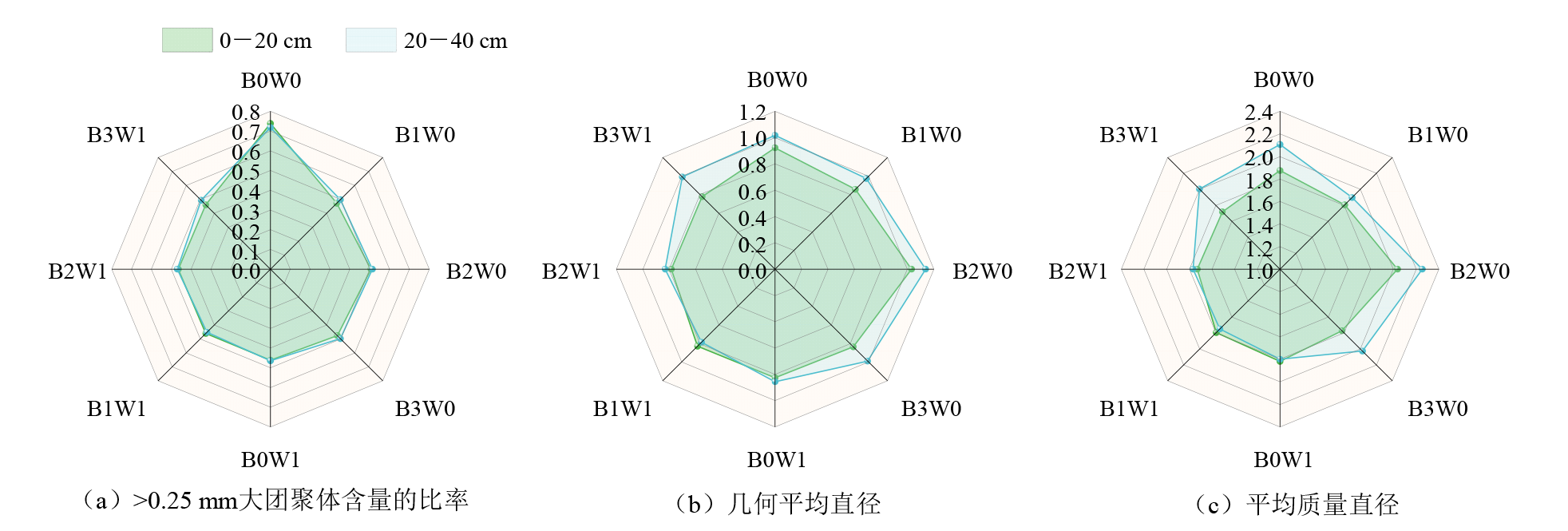
Figure 1 Stability index of soil aggregates under different treatments
| 土层/cm | 回归方程 | r2 |
|---|---|---|
| 0-20 | MMD=0.027X1−0.007X2−0.017X3−0.02X4+1.987 | 0.983** |
| GMD=0.019X1+0.002X2−0.014X3−0.02X4+0.729 | 0.978** | |
| Rd>0.25=0.004X1+0.004X2−0.005X3−0.005X4+0.568 | 0.990** | |
| 20-40 | MMD=0.018X1−0.016X2−0.023X3−0.047X4+2.872 | 0.985** |
| GMD=0.01X1−0.003X2−0.018X3−0.049X4+1.407 | 0.968** | |
| Rd>0.25=0.002X1+0.002X2−0.007X3−0.01X4+0.765 | 0.978** |
Table 2 Stepwise regression equations for aggregate stability and aggregate particle size
| 土层/cm | 回归方程 | r2 |
|---|---|---|
| 0-20 | MMD=0.027X1−0.007X2−0.017X3−0.02X4+1.987 | 0.983** |
| GMD=0.019X1+0.002X2−0.014X3−0.02X4+0.729 | 0.978** | |
| Rd>0.25=0.004X1+0.004X2−0.005X3−0.005X4+0.568 | 0.990** | |
| 20-40 | MMD=0.018X1−0.016X2−0.023X3−0.047X4+2.872 | 0.985** |
| GMD=0.01X1−0.003X2−0.018X3−0.049X4+1.407 | 0.968** | |
| Rd>0.25=0.002X1+0.002X2−0.007X3−0.01X4+0.765 | 0.978** |

Figure 2 Soil organic carbon content and organic carbon distribution of aggregates of particle size under different treatments
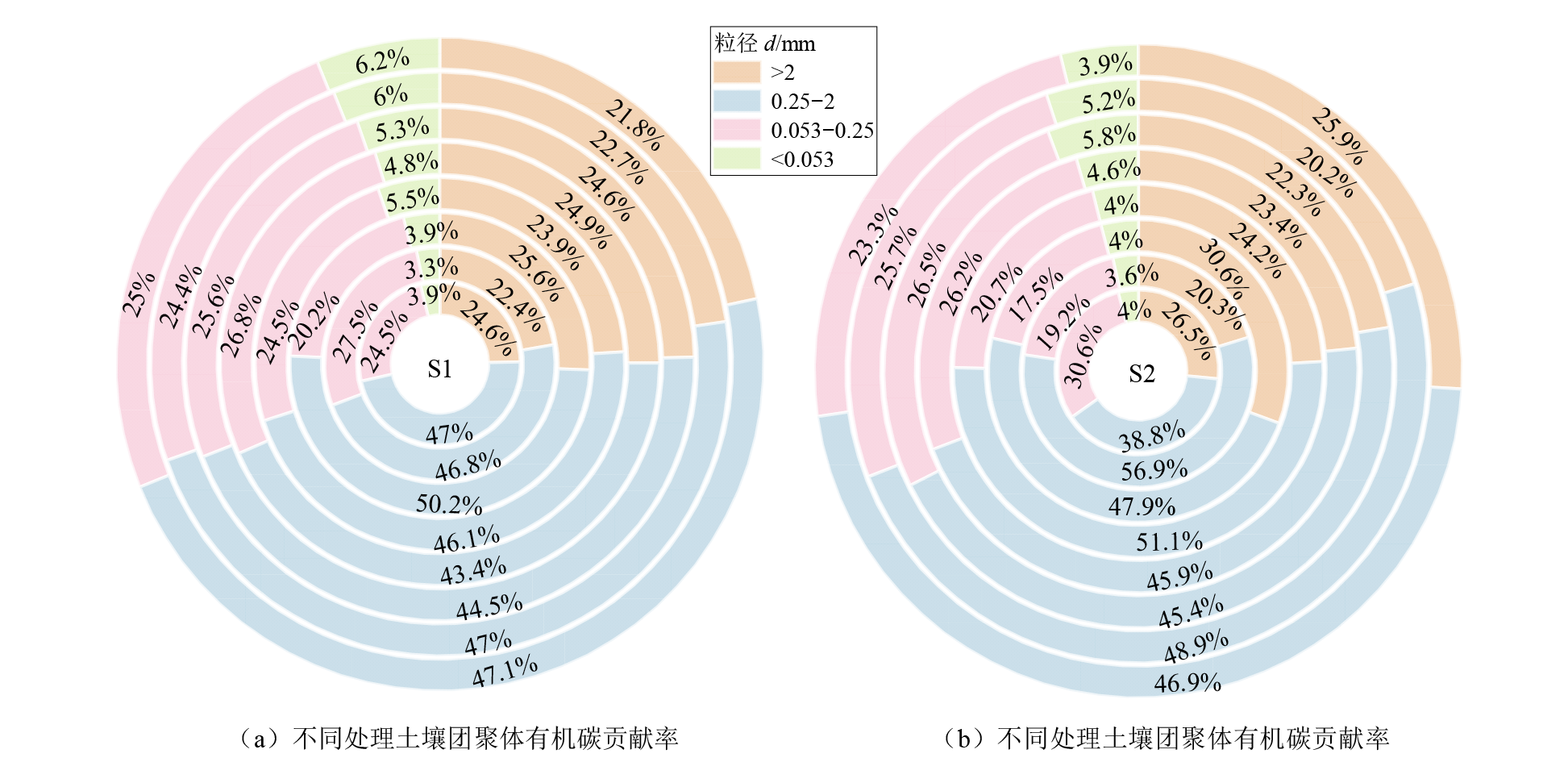
Figure 3 Contribution rate of organic carbon of soil aggregates of different particle sizes under different treatments
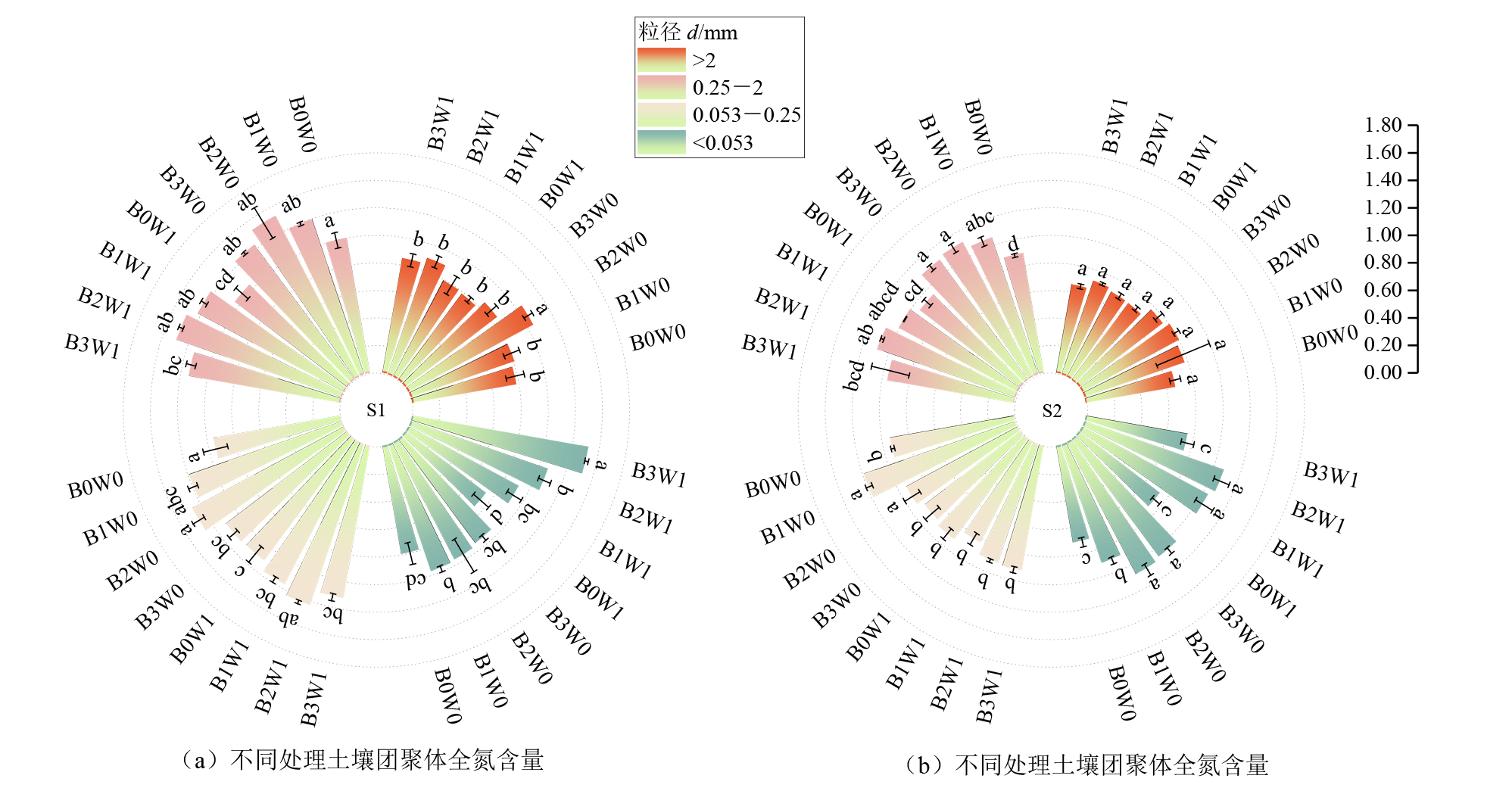
Figure 4 Soil total nitrogen content and total nitrogen distribution of aggregates of particle size under different treatments
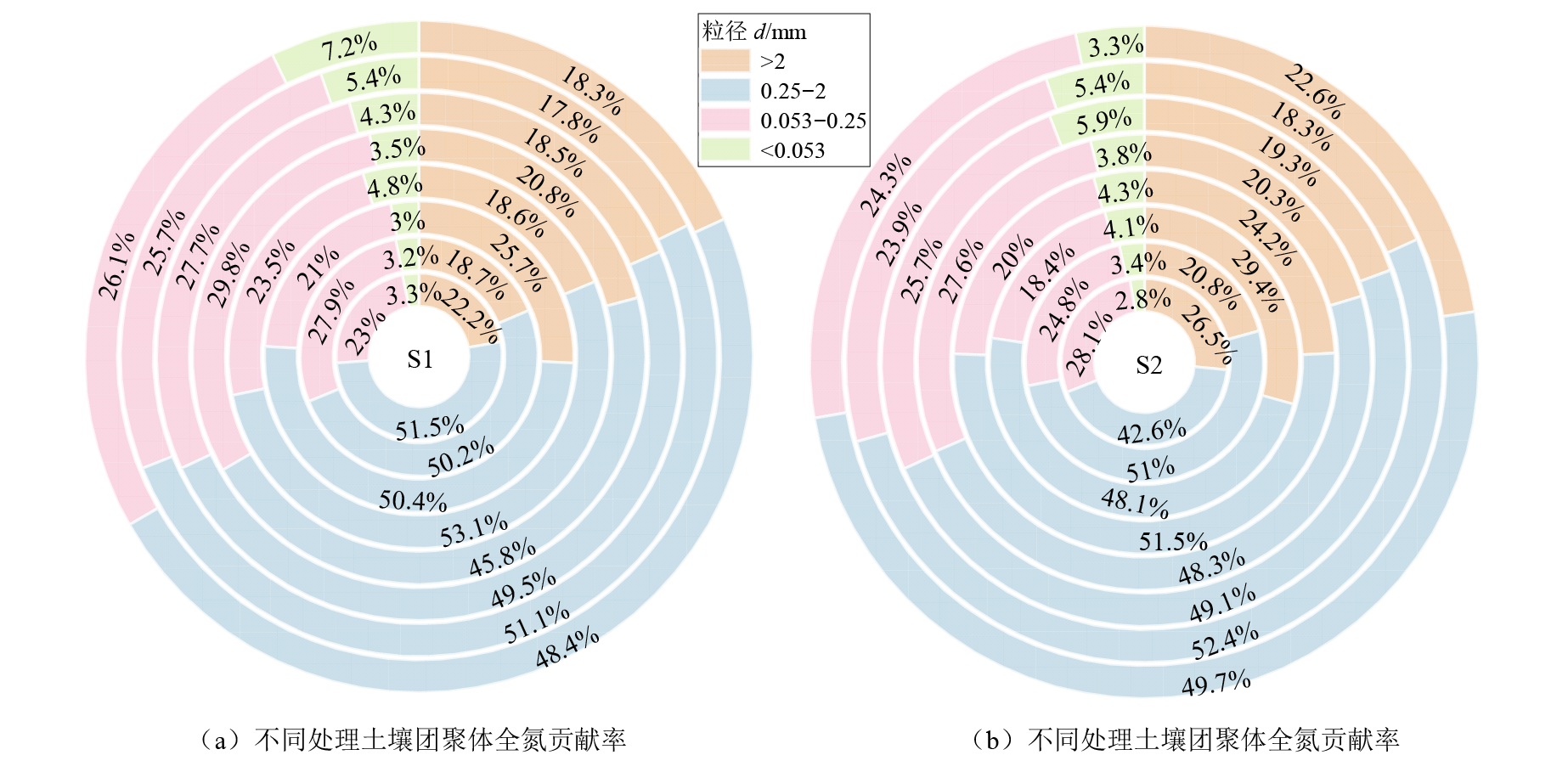
Figure 5 Contribution rate of total nitrogen of soil aggregates of each particle size under different treatments
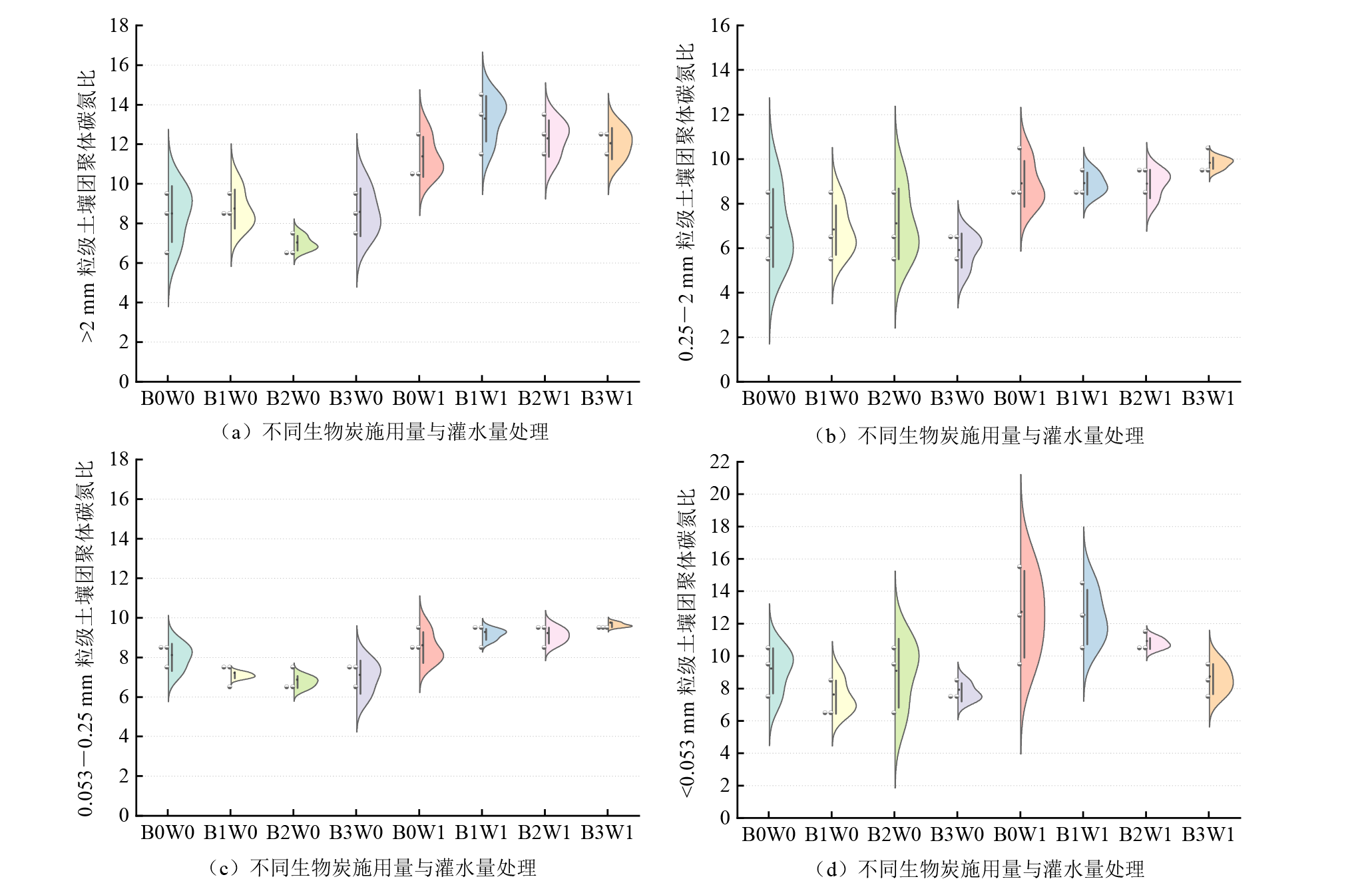
Figure 6 Carbon-nitrogen ratio of aggregates of particle size under different treatments in 0?20 cm soil layer
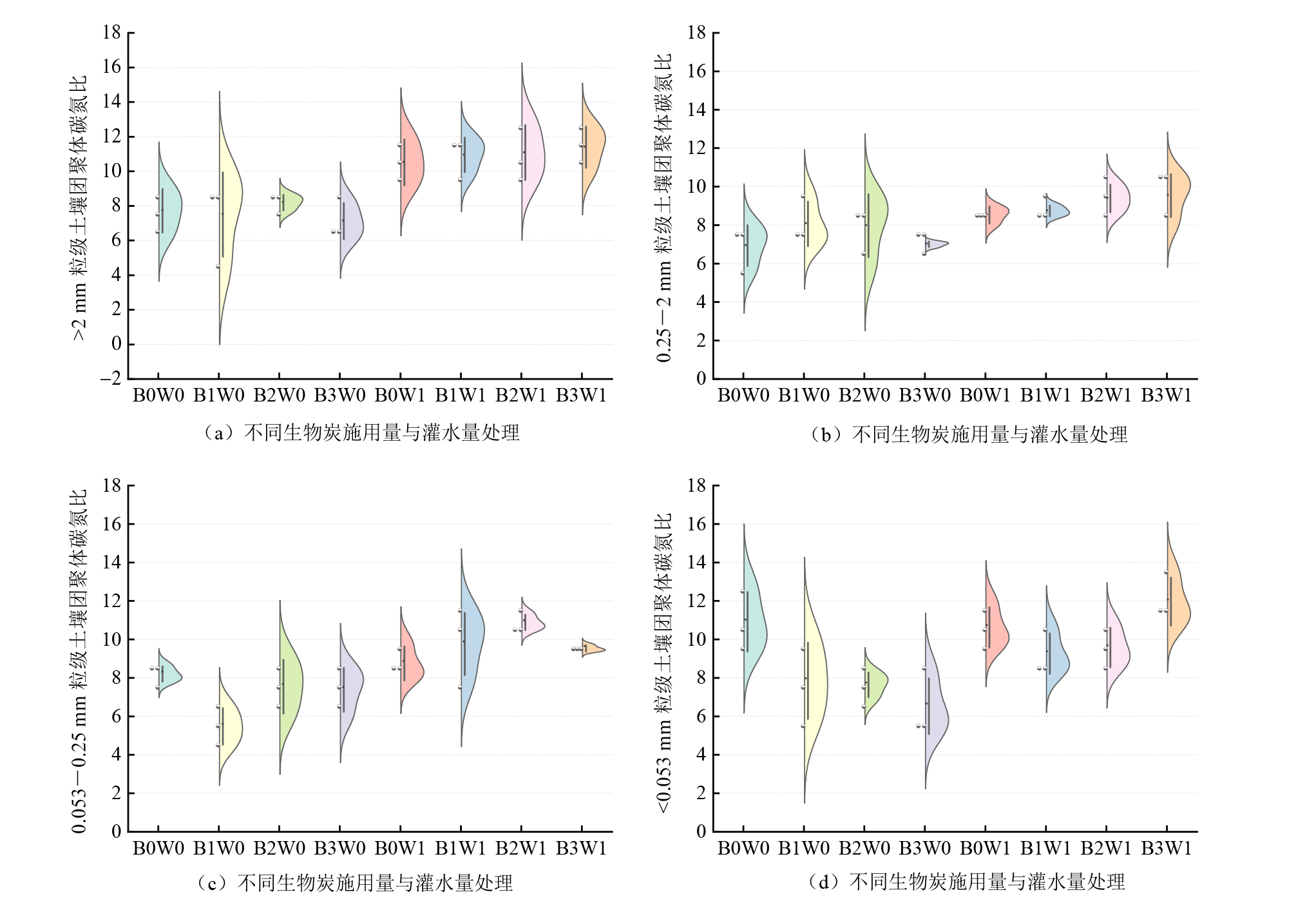
Figure 7 Carbon-nitrogen ratio of aggregates of particle size under different treatments in 20?40 cm soil layer
| [1] |
HU X J, GU H D, LIU J J, et al., 2022. Metagenomics reveals divergent functional profiles of soil carbon and nitrogen cycling under long-term addition of chemical and organic fertilizers in the black soil region[J]. Geoderma, 418: 115846.
DOI URL |
| [2] |
LIU J, JIANG B S, SHEN J L, et al., 2021. Contrasting effects of straw and straw-derived biochar applications on soil carbon accumulation and nitrogen use efficiency in double-rice cropping systems[J]. Agriculture, Ecosystems and Environment, 311: 107286.
DOI URL |
| [3] |
PANG J W, WANG Y H, WANG B F, et al., 2023. Biochar application increases maize yield under film mulching due to higher soil organic content and soil aggregate stability in a semi-arid area[J]. Journal of Soils and Sediments, 23(4): 1718-1732.
DOI |
| [4] |
RABOT E, WIESMEIER M, SCHLUER S, et al., 2018. Soil structure as an indicator of soil functions: A review[J]. Geoderma, 314: 122-137.
DOI URL |
| [5] | SU R L, WU X, HU J L, et al., 2023. Warming promotes the decomposition of oligotrophic bacterial-driven organic matter in paddy soil[J]. Soil Biology and Biochemistry, 186: 109-156. |
| [6] |
WANG Y H, PANG J W, ZHANG M J, et al., 2023. Is adding biochar be better than crop straw for improving soil aggregates stability and organic carbon contents in film mulched fields in semiarid regions? -Evidence of 5-year field experiment[J]. Journal of Environmental Management, 338: 117711.
DOI URL |
| [7] |
WU J J, ZHOU B, LI Z C, et al., 2025. Biochar promoted soil organic carbon accumulation and aggregate stability by increasing the content of organic complex metal oxides in paddy soil[J]. Soil and Tillage Research, 254: 106713.
DOI URL |
| [8] |
YANG S H, XIAO Y N, SUN X, et al., 2019. Biochar improved rice yield and mitigated CH4 and N2O emissions from paddy field under controlled irrigation in the Taihu Lake Region of China[J]. Atmospheric Environment, 200: 69-77.
DOI URL |
| [9] |
ZHANG C, ZHAO X, LIANG A J, et al., 2023. Insight into the soil aggregate-mediated restoration mechanism of degraded black soil via biochar addition: Emphasizing the driving role of core microbial communities and nutrient cycling[J]. Environmental Research, 228: 115895.
DOI URL |
| [10] |
ZIMMERMAN A R, GAO B, AHN M Y, 2011. Positive and negative carbon mineralization priming effects among a variety of biochar-amended soils[J]. Soil Biology and Biochemistry, 43(6): 1169-1179.
DOI URL |
| [11] | 鲍士旦, 2000. 土壤农化分析[M]. 第3版. 北京: 中国农业出版社. |
| BAO S D, 2000. Soil agricultural chemical analysis[M]. Third edition. Beijing: China Agriculture Press. | |
| [12] | 曹玉凤, 佟师师, 岳岐, 等, 2025. 生物炭对棕壤团聚体稳定性及磷组分分布的影响[J]. 中国生态农业学报(中英文), 33(3): 520-530. |
| CAO Y F, TONG S S, YUE Q, et al., 2025. Effect of biochar on the stability and distribution of phosphorus fractions of brown soil aggregates[J]. Chinese Journal of Eco-Agriculture, 33(3): 520-530. | |
| [13] | 陈全, 陈丽芳, 吴丹萍, 等, 2023. 土壤矿物质增强生物炭稳定性的机制综述[J]. 农业环境科学学报, 42(3): 490-499. |
| CHEN Q, CHEN L F, WU D P, et al., 2023. Mechanisms of soil minerals enhance biochar stability: A review[J]. Journal of Agro-Environment Science, 42(3): 490-499. | |
| [14] |
邓铭江, 王全九, 陶汪海, 等, 2023. 西北旱区现代农业提质增效发展模式探究[J]. 中国工程科学, 25(4): 59-72.
DOI |
|
DENG M J, WANG Q J, TAO W H, et al., 2023. Development model for improving the quality and efficiency of modern agriculture in the arid region of northwest China[J]. Strategic Study of CAE, 25(4): 59-72.
DOI |
|
| [15] | 方婧, 金亮, 程磊磊, 等, 2019. 环境中生物质炭稳定性研究进展[J]. 土壤学报, 56(5): 1034-1047. |
| FANG J, JIN L, CHENG L L, et al., 2019. Advancement in research on stability of biochar in the environment[J]. Acta Pedologica Sinica, 56(5): 1034-1047. | |
| [16] |
黄坤, 许明, 吴秀娟, 等, 2024. 生物质活性炭的制备与微结构特性调控研究进展[J]. 化工进展, 43(5): 2475-2493.
DOI |
|
HUANG K, XU M, WU X J, et al., 2024. Research progress on preparation and microstructural characteristics regulation of biomass activated carbon[J]. Chemical Industry and Engineering Progress, 43(5): 2475-2493.
DOI |
|
| [17] |
黄霖锋, 陈利荣, 张承焱, 等, 2026. 滴灌与间作对盐碱地水盐运移及高粱产量的影响[J]. 应用生态学报, 37(1): 125-135.
DOI |
|
HUANG L F, CHEN L R, ZHANG C Y, et al., 2026. Effects of drip irrigation and intercropping on soil water-salt dynamics and sorghum yield in saline-alkali land[J]. Chinese Journal of Applied Ecology, 37(1): 125-135.
DOI |
|
| [18] |
黄炜怡, 黄芬, 谢银财, 等, 2025. 土壤改良对土壤有机碳和岩溶作用影响机制及其碳汇效应[J]. 地球科学进展, 40(6): 559-576.
DOI |
|
HUANG W Y, HUANG F, XIE Y C, et al., 2025. Mechanism of soil improvement affecting soil organic carbon and karst processes: Implications for carbon sequestration[J]. Advances in Earth Science, 40(6): 559-576.
DOI |
|
| [19] | 黄文智, 陈学文, 梁爱珍, 等, 2025. 土壤团聚体孔隙及其表征方法[J]. 土壤与作物, 14(2): 129-143. |
| HUANG W Z, CHEN X W, LIANG A Z, et al., 2025. Soil aggregate pores and their characterization methods[J]. Soils and Crops, 4(2): 129-143. | |
| [20] | 黄治宏, 赵浩宾, 王龙飞, 等, 2025. 生物炭对土壤酶活性、生态功能研究进展及作用机制分析[J]. 中国土壤与肥料 (1): 250-259. |
| HUANG Z H, ZHAO H B, WANG L F, et al., 2025. Research progress and mechanism analysis of biochar on soil enzyme activity and ecological function[J]. Soils and Fertilizers Sciences in China (1): 250-259. | |
| [21] | 季卫英, 管丹蓉, 宓立峰, 等, 2024. 不同土地利用方式对土壤团聚体稳定性及碳氮含量的影响[J]. 水土保持通报, 44(6): 377-386. |
| JI W Y, GUAN D R, MI L F, et al., 2024. Effects of different land-use patterns on soil aggregate stability and contents of carbon and nitrogen[J]. Bulletin of Soil and Water Conservation, 44(6): 377-386. | |
| [22] | 蒋雪洋, 张前前, 沈浩杰, 等, 2021. 生物质炭对稻田土壤团聚体稳定性和微生物群落的影响[J]. 土壤学报, 58(6): 1564-1573. |
| JIANG X Y, ZHANG Q Q, SHEN H J, et al., 2021. Effects of biochar on soil aggregate stability and microbial community in paddy field[J]. Acta Pedologica Sinica, 58(6): 1564-1573. | |
| [23] | 李晨, 陈明婉, 金鑫, 等, 2023. 施入生物炭对热带农田土壤团聚体组成及碳氮含量的影响[J]. 土壤通报, 54(5): 1071-1079. |
| LI C, CHEN M W, JIN X, et al., 2023. Effects of biochar application on soil aggregate composition and carbon and nitrogen contents in tropical farmland[J]. Chinese Journal of Soil Science, 54(5): 1071-1079. | |
| [24] | 李堃, 龙思帆, 吴硕廷, 等, 2024. 施用生物炭对柏木林地土壤有机碳含量和团聚体稳定性的影响[J]. 四川林业科技, 45(4): 1-5. |
| LI K, LONG S F, WU S T, et al., 2024. Effects of biochar application on soil organic carbon content and aggregate stability in Cupressus funebris forest standv[J]. Journal of Sichuan Forestry Science and Technology, 45(4): 1-5. | |
| [25] | 李耸耸, 2020. 干旱对土壤团聚体稳定性的影响及其调控机制[J]. 草原与草业, 32(3): 12-14, 33. |
| LI S S, 2020. Review on effect of drought on soil aggregates stability and its biological regulation mechanism[J]. Grassland and Prataculture, 32(3): 12-14, 33. | |
| [26] |
龙吉兰, 蒋铮, 刘定琴, 等, 2024. 干旱下植物根系分泌物及其介导的根际激发效应研究进展[J]. 植物生态学报, 48(7): 817-827.
DOI |
|
LONG J L, JIANG Z, LIU D Q, et al., 2024. Effects of drought on plant root exudates and associated rhizosphere priming effect: Review and prospect[J]. Chinese Journal of Plant Ecology, 48(7): 817-827.
DOI URL |
|
| [27] | 龙杰琦, 苗淑杰, 李娜, 等, 2022. 施用生物炭对黑土各组分有机质结构的影响[J]. 植物营养与肥料学报, 28(5): 775-785. |
| LONG J Q, MIAO S J, LI N, et al., 2022. Effects of biochar application on the structural properties of organic matter fractions in Mollisols[J]. Journal of Plant Nutrition and Fertilizers, 28(5): 775-785. | |
| [28] | 罗慧, 刘水, 李伏生, 2014. 不同灌水施肥策略对土壤微生物量碳氮和酶活性的影响[J]. 生态学报, 34(18): 5266-5274. |
| LUO H, LIU S, LI F S, et al., 2014. Effect of different irrigation and fertilization strategies on soil microbial biomass carbon and nitrogen and enzyme activity[J]. Acta Ecologica Sinica, 34(18): 5266-5274. | |
| [29] | 马小明, 齐翔鲲, 谭雪, 等, 2026. 免耕秸秆覆盖对半干旱区土壤团聚体稳定性和玉米产量的影响[J]. 作物杂志 (1): 152-159. |
| MA X M, QI X K, TAN X, et al., 2026. Effects of no-tillage with straw mulching on soil aggregate stability and maize yield in semi-arid region[J]. Crops (1): 152-159. | |
| [30] | 孟艳, 沈亚文, 孟维伟, 等, 2023. 生物炭施用对农田土壤团聚体及有机碳影响的整合分析[J]. 环境科学, 44(12): 6847-6856. |
| MENH Y, SHEN Y W, MENG W W, et al., 2023. Effect of biochar on agricultural soil aggregates and organic carbon: A meta-analysis[J]. Environmental Science, 44(12): 6847-6856. | |
| [31] |
庞津雯, 王钰皓, 陶宏扬, 等, 2023. 生物炭不同添加量对旱作覆膜农田土壤团聚体特性及有机碳含量的影响[J]. 中国农业科学, 56(9): 1729-1743.
DOI |
|
PANG J W, WANG Y H, TAO H Y, et al., 2023. Effects of different biochar application rates on soil aggregate characteristics and organic carbon contents for film-mulching field in semiarid areas[J]. Scientia Agricultura Sinica, 56(9): 1729-1743.
DOI |
|
| [32] | 庞小能, 于爱忠, 王玉珑, 等, 2025. 不同耕作与秸秆还田方式对土壤团聚体及碳氮储量的影响[J]. 中国生态农业学报(中英文), 33(10): 1922-1937. |
| PANG X N, YU A Z, WANG Y L, et al., 2025. Effects of different tillage practices and straw returning methods on soil aggregates and carbon-nitrogen storage[J]. Chinese Journal of Eco-Agriculture, 33(10): 1922-1937. | |
| [33] | 孙雪, 张玉铭, 张丽娟, 等, 2021. 长期添加外源有机物料对华北农田土壤团聚体有机碳组分的影响[J]. 中国生态农业学报(中英文), 29(8): 1384-1396. |
| SUN X, ZHANG Y M, ZHANG L J, et al., 2021. Effects of long-term exogenous organic material addition on the organic carbon composition of soil aggregates in farmlands of North China[J]. Chinese Journal of Eco-Agriculture, 29(8): 1384-1396. | |
| [34] | 谭文峰, 许运, 史志华, 等, 2023. 胶结物质驱动的土壤团聚体形成过程与稳定机制[J]. 土壤学报, 60(5): 1297-1308. |
| TAN W F, XU Y, SHI Z H, et al., 2023. The formation process and stabilization mechanism of soil aggregates driven by binding materials[J]. Acta Pedologica Sinica, 60(5): 1297-1308. | |
| [35] | 王强, 耿增超, 许晨阳, 等, 2020. 施用生物炭对塿土土壤微生物代谢养分限制和碳利用效率的影响[J]. 环境科学, 41(5): 2425-2433. |
| WANG Q, GENG Z C, XU C Y, et al., 2020. Effects of biochar application on soil microbial nutrient limitations and carbon use efficiency in lou soil[J]. Environmental Science, 41(5): 2425-2433. | |
| [36] |
王莎莎, 陈俊玲, 张晓杰, 等, 2025. 有机肥替代化肥与生物炭配施对茶园土壤团聚体稳定性及有机碳积累的影响[J]. 热带作物学报, 46(4): 937-947.
DOI |
|
WANG S S, CHEN J L, ZHANG X J, et al., 2025. Impacts of substituting chemical fertilizer with organic fertilizer in conjunction with biochar on soil aggregate stability and accumulation of organic carbon in tea plantations[J]. Chinese Journal of Tropical Crops, 46(4): 937-947.
DOI |
|
| [37] | 谢钧宇, 曹寒冰, 孟会生, 等, 2020. 不同施肥措施及施肥年限下土壤团聚体的大小分布及其稳定性[J]. 水土保持学报, 34(3): 274-281, 290. |
| XIE J Y, CAO H B, MENG H S, et al., 2020. Effects of different fertilization regimes and fertilization ages on size distribution and stability of soil aggregates[J]. Journal of Soil and Water Conservation, 34(3): 274-281, 290. | |
| [38] | 薛兆琨, 俞柯汝, 马嘉伟, 等, 2025. 生物炭与有机肥配施对土壤团聚体稳定性及有机碳贡献率的影响[J]. 山东农业科学, 57(7): 108-115. |
| XUE Z K, YU K R, MA J W, et al., 2025. Effects of combined application of biochar and organic fertilizer on soil aggregate stability and contribution of organic carbon[J]. Shandong Agricultural Sciences, 57(7): 108-115. | |
| [39] | 杨小立, 蔡竟芳, 王大郅, 等, 2025. 淹水和互花米草生物炭对滨海湿地土壤理化特征和微生物群落的影响[J]. 环境科学学报, 45(8): 288-301. |
| YANG X L, CAI J F, WANG D Z, et al., 2025. Effects of flooding and Spartina alterniflora-derived biochar on soil physicochemical properties and microbial communities in coastal wetlands[J]. Acta Scientiae Circumstantiae, 45(8): 288-301. | |
| [40] | 朱士江, 叶晓思, 王斌, 等, 2018. 不同水分调控、生物炭配比对水稻产量与水分利用效率的影响[J]. 节水灌溉 (1): 1-5. |
| ZHU S J, YE X S, WANG B, et al., 2018. Effects of water-biochar coupling on rice yield and water use efficiency[J]. Water Saving Irrigation (1): 1-5. |
| [1] | LI Meng, HAN Yafeng, HU Yibao, JIANG Mengxiao, ZHANG Xin, GAO Jiakai, MA Rentian, ZHENG Bin, ZHANG Ye, SUN Lirong, GUO Dayong, SHI Zhaoyong, WANG Xugang. Effects of Exogenous Carbon with Distinct Chemical Structures on Soil Organic Carbon Fractions and Emissions in Paddy Soils [J]. Ecology and Environmental Sciences, 2026, 35(6): 865-874. |
| [2] | LI Ying, HUANG Huali, ZHANG Fan, HAN Yangang. Effects of Neighborhood Interactions on Growth and Stability of Trees in Temperate Secondary Forest [J]. Ecology and Environmental Sciences, 2026, 35(6): 922-927. |
| [3] | HUANG Shaoqiang, JIANG Heng, YU Shiqin, JIANG Xinyu, CHENG Jiong, CHEN Sanxiong. Effects of Chlorella Vulgaris on Water Stability of Soil Aggregates and Extracellular Polymeric Substance Components in Red Soils of Guangdong [J]. Ecology and Environmental Sciences, 2026, 35(3): 425-436. |
| [4] | LI Yanlin, XU Hongwei, XU Lin, LUO Ziteng, YUAN Yaling, TAN Bo. Effects of Strip Clearcutting on the Composition and Stability of Soil Water-stable Aggregates in Cryptomeria fortunei Plantations [J]. Ecology and Environmental Sciences, 2026, 35(2): 223-231. |
| [5] | SHI Guangyu, SHEN Xinyi. Research Progress on Heavy Metal Immobilization and Resource Utilization in Sludge by Co-pyrolysis Technology [J]. Ecology and Environmental Sciences, 2026, 35(2): 323-332. |
| [6] | WANG Guolin, LIU Kaiying, SONG Ningning, LIU Jun, WANG Fangli, WANG Xuexia, ZONG Haiying, LI Shaojing. Response Mechanism of Organic Nitrogen Components in Saline-alkali Soil to the Input of Straw and Straw Biochar [J]. Ecology and Environmental Sciences, 2026, 35(1): 62-74. |
| [7] | ZHANG Yidong, YANG Xunan, CHEN Yanjiao, WANG Tao, XU Meiying. Advances in the Application of FT-IR Spectroscopy for Analyzing Organic Carbon in Aquatic Sediments [J]. Ecology and Environmental Sciences, 2025, 34(9): 1483-1494. |
| [8] | LIU Fengjuan, MA Chao, HUANG Linghan, CHEN Qi, LUO Xuqiang. Effects of Biochar Addition on the Phytoavailability of As and Sb in Tailings-contaminated Soil [J]. Ecology and Environmental Sciences, 2025, 34(8): 1273-1281. |
| [9] | HE Huan, ZHOU Dandan, MA Zhixuan, LI Fangfang, QIN Shanshan, DOU Sixian. Effect of Calcium Modification on the Binding of Biochar-derived Dissolved Organic Matter with Cd(II) [J]. Ecology and Environmental Sciences, 2025, 34(7): 1121-1132. |
| [10] | LIN Yongyi, ZHOU Yanfei, DENG Jinhuan, TIAN Jihui, CAI Kunzheng. Biochar Combined with Phosphorus Promote Silicon Fraction Transformation and Si Absorption of Soybean Plant in Latosolic Red Soil [J]. Ecology and Environmental Sciences, 2025, 34(5): 710-719. |
| [11] | WU Xiaoling, DU Yanhong, DOU Fei, GAO Shuangquan, WANG Xiangqin. A Long-term Positioning Experiment of Heavy Metal-Contaminated Vegetable Fields Remediated by Biochar and Humus [J]. Ecology and Environmental Sciences, 2025, 34(12): 1952-1961. |
| [12] | WANG Yongmei, YUAN Yuzhen, WANG Zicheng, LI Zhifeng, GAO Shuangquan, LIU Chuanping, DU Yanhong. Long-term Effects of Biochar Coupled with Chemical Fertilizer Reduction on the Safe Production of Sweet Corn in Heavy Metal-Contaminated Soils [J]. Ecology and Environmental Sciences, 2025, 34(12): 1962-1973. |
| [13] | ZHAO Chengxiao, MA Jianghong, LIU Hongxia, HU Jingwen, PAN Zitong, WANG Jiaying, LI Jinye. Enhanced Nitrogen Removal of Constructed Wetlands by Biochar [J]. Ecology and Environmental Sciences, 2025, 34(12): 1985-1992. |
| [14] | KONG Xiaoyun, ZHANG Yongkun, LI Runjie, LI Ying, LIN Chengqing, MA Zhanming, XIN Jilin, YANG Xiaoxuan, DANG Yile, ZHAO Jiayi, FENG Lingzheng, ZHOU Yan. Characteristics of Spatial Variation of Organic Carbon in Cultivated Soil Aggregates in Huangshui River Basin and Analysis of Its Driving Factors [J]. Ecology and Environmental Sciences, 2025, 34(11): 1715-1727. |
| [15] | JI Bo, CHENG Hongguang, HAN Shiming, XING Dan, WU Zhibing, ZHANG Jinlian, LIU Fang, ZHU Yi, DENG Lirong, ZHANG Xiaosong. Research Advances in the Effects of Biochar and Arbuscular Mycorrhizal Fungi on Soil Phosphorus Supply [J]. Ecology and Environmental Sciences, 2025, 34(11): 1812-1826. |
| Viewed | ||||||
|
Full text |
|
|||||
|
Abstract |
|
|||||
Website Copyright © 2021 Editorial Office of Ecology and Environmental Sciences
Add: 808# Tianyuan Road, Tianhe District, Guangzhou. 510650.
Institute of Eco-environmental and Soil Sciences, Guangdong Academy of Sciences
Tel/Fax: 020-87024961; E-mail: editor@jeesci.com
Support by Beijing Magtech Co. Ltd., E-mail: support@magtech.com.cn
