
Ecology and Environmental Sciences ›› 2026, Vol. 35 ›› Issue (1): 29-39.DOI: 10.16258/j.cnki.1674-5906.2026.01.003
• Research Article [Ecology] • Previous Articles Next Articles
CHENG Hu1,2( ), LI Yi2, CHEN Zimo2, HUANG Yanqiu1, MIN Ju3, SHI Weiming3, ZHANG Longjiang1, JI Rongting1,*()
Received:2025-04-25
Revised:2025-10-22
Accepted:2025-10-30
Online:2026-01-18
Published:2026-01-05
程虎1,2(), 李逸2, 陈子墨2, 黄言秋1, 闵炬3, 施卫明3, 张龙江1, 纪荣婷1,*()
通讯作者:
* E-mail: 作者简介:程虎(1994年生),男,副教授,博士,主要研究方向为生态文明建设与环境生态学。E-mail: hucheng@njfu.edu.cn
基金资助:CLC Number:
CHENG Hu, LI Yi, CHEN Zimo, HUANG Yanqiu, MIN Ju, SHI Weiming, ZHANG Longjiang, JI Rongting. Coordination Degree between New Urbanization and the Construction of “Beautiful China”: A Case Study of Jiangsu Province[J]. Ecology and Environmental Sciences, 2026, 35(1): 29-39.
程虎, 李逸, 陈子墨, 黄言秋, 闵炬, 施卫明, 张龙江, 纪荣婷. 新型城镇化与美丽中国建设协调度研究——以江苏省为例[J]. 生态环境学报, 2026, 35(1): 29-39.
Add to citation manager EndNote|Ris|BibTeX
URL: https://www.jeesci.com/EN/10.16258/j.cnki.1674-5906.2026.01.003
| 系统层 | 准则层 | 权重 | 指标层 | 指标序号 | 指标属性 | 权重 |
|---|---|---|---|---|---|---|
| 新型城镇化综合水平A | 经济城镇化A1 | 0.258 | 人均GDP/元 | A11 | + | 0.051 |
| 二三产业产值占GDP比重/% | A12 | + | 0.054 | |||
| 人均公共预算支出/元 | A13 | + | 0.052 | |||
| 人均社会消费品零售总额/元 | A14 | + | 0.046 | |||
| 居民可支配收入/元 | A15 | + | 0.055 | |||
| 人口城镇化A2 | 0.145 | 城镇化率/% | A21 | + | 0.050 | |
| 城镇人口密度/(人·km-2) | A22 | − | 0.046 | |||
| 二三产业就业人口比重/% | A23 | + | 0.049 | |||
| 社会城镇化A3 | 0.338 | 每万人卫生技术人员数/人 | A31 | + | 0.049 | |
| 每万人中学生人数/人 | A32 | + | 0.073 | |||
| 移动电话普及率/(部∙百人-1) | A33 | + | 0.080 | |||
| 每万人公路客运量/人 | A34 | + | 0.040 | |||
| 每万人拥有汽车数/辆 | A35 | + | 0.030 | |||
| 人均社会保障与就业支出/亿元 | A36 | + | 0.066 | |||
| 空间城镇化A4 | 0.259 | 建成区面积占比/% | A41 | + | 0.054 | |
| 人均城市道路面积/(m2·人-1) | A42 | + | 0.030 | |||
| 地均GDP/(万元·km-2) | A43 | + | 0.055 | |||
| 建成区经济密度/(亿元·km-2) | A44 | + | 0.053 | |||
| 每万人公路里程/(km∙万人-1) | A45 | + | 0.067 | |||
| 美丽中国建设综合水平B | 空气清新B1 | 0.109 | 地级及以上城市细颗粒物(PM2.5)质量浓度/(μg∙m−3) | B11 | − | 0.040 |
| 地级及以上城市可吸入颗粒物(PM10)质量浓度/(μg∙m−3) | B12 | − | 0.036 | |||
| 地级及以上城市空气质量优良天数比例/% | B13 | + | 0.033 | |||
| 水体洁净B2 | 0.103 | 地表水水质优良(达到或好于III类)比例/% | B21 | + | 0.047 | |
| 地级及以上城市集中式饮用水水源地水质达标率/% | B22 | + | 0.015 | |||
| 地表水劣Ⅴ类水体比例/% | B23 | − | 0.041 | |||
| 土壤安全B3 | 0.152 | 土壤点位达标率/% | B31 | + | 0.031 | |
| 单位面积耕地化肥施用量/(t∙hm−2) | B32 | − | 0.057 | |||
| 单位面积耕地农药施用量/(t∙hm−2) | B33 | − | 0.029 | |||
| 单位面积耕地薄膜使用量/(t∙hm−2) | B34 | − | 0.035 | |||
| 生态良好B4 | 0.458 | 森林覆盖率/% | B41 | + | 0.088 | |
| 湿地保护率/% | B42 | + | 0.046 | |||
| 水土保持率/% | B43 | + | 0.032 | |||
| 自然保护地面积占陆域国土面积比例/% | B44 | + | 0.247 | |||
| 重点生物物种种数保护率/% | B45 | + | 0.045 | |||
| 人居整洁B5 | 0.178 | 城镇生活污水集中处理率/% | B51 | + | 0.032 | |
| 城镇生活垃圾无害化处理率/% | B52 | + | 0.022 | |||
| 农村生活污水处理和综合利用率/% | B53 | + | 0.037 | |||
| 农村生活垃圾无害化处理率/% | B54 | + | 0.033 | |||
| 人均公园绿地面积/m2 | B55 | + | 0.037 | |||
| 农村卫生厕所普及率/% | B56 | + | 0.017 |
Table 1 Coordinated development index and weight of new urbanization and the construction of “Beautiful China” system in Jiangsu Province
| 系统层 | 准则层 | 权重 | 指标层 | 指标序号 | 指标属性 | 权重 |
|---|---|---|---|---|---|---|
| 新型城镇化综合水平A | 经济城镇化A1 | 0.258 | 人均GDP/元 | A11 | + | 0.051 |
| 二三产业产值占GDP比重/% | A12 | + | 0.054 | |||
| 人均公共预算支出/元 | A13 | + | 0.052 | |||
| 人均社会消费品零售总额/元 | A14 | + | 0.046 | |||
| 居民可支配收入/元 | A15 | + | 0.055 | |||
| 人口城镇化A2 | 0.145 | 城镇化率/% | A21 | + | 0.050 | |
| 城镇人口密度/(人·km-2) | A22 | − | 0.046 | |||
| 二三产业就业人口比重/% | A23 | + | 0.049 | |||
| 社会城镇化A3 | 0.338 | 每万人卫生技术人员数/人 | A31 | + | 0.049 | |
| 每万人中学生人数/人 | A32 | + | 0.073 | |||
| 移动电话普及率/(部∙百人-1) | A33 | + | 0.080 | |||
| 每万人公路客运量/人 | A34 | + | 0.040 | |||
| 每万人拥有汽车数/辆 | A35 | + | 0.030 | |||
| 人均社会保障与就业支出/亿元 | A36 | + | 0.066 | |||
| 空间城镇化A4 | 0.259 | 建成区面积占比/% | A41 | + | 0.054 | |
| 人均城市道路面积/(m2·人-1) | A42 | + | 0.030 | |||
| 地均GDP/(万元·km-2) | A43 | + | 0.055 | |||
| 建成区经济密度/(亿元·km-2) | A44 | + | 0.053 | |||
| 每万人公路里程/(km∙万人-1) | A45 | + | 0.067 | |||
| 美丽中国建设综合水平B | 空气清新B1 | 0.109 | 地级及以上城市细颗粒物(PM2.5)质量浓度/(μg∙m−3) | B11 | − | 0.040 |
| 地级及以上城市可吸入颗粒物(PM10)质量浓度/(μg∙m−3) | B12 | − | 0.036 | |||
| 地级及以上城市空气质量优良天数比例/% | B13 | + | 0.033 | |||
| 水体洁净B2 | 0.103 | 地表水水质优良(达到或好于III类)比例/% | B21 | + | 0.047 | |
| 地级及以上城市集中式饮用水水源地水质达标率/% | B22 | + | 0.015 | |||
| 地表水劣Ⅴ类水体比例/% | B23 | − | 0.041 | |||
| 土壤安全B3 | 0.152 | 土壤点位达标率/% | B31 | + | 0.031 | |
| 单位面积耕地化肥施用量/(t∙hm−2) | B32 | − | 0.057 | |||
| 单位面积耕地农药施用量/(t∙hm−2) | B33 | − | 0.029 | |||
| 单位面积耕地薄膜使用量/(t∙hm−2) | B34 | − | 0.035 | |||
| 生态良好B4 | 0.458 | 森林覆盖率/% | B41 | + | 0.088 | |
| 湿地保护率/% | B42 | + | 0.046 | |||
| 水土保持率/% | B43 | + | 0.032 | |||
| 自然保护地面积占陆域国土面积比例/% | B44 | + | 0.247 | |||
| 重点生物物种种数保护率/% | B45 | + | 0.045 | |||
| 人居整洁B5 | 0.178 | 城镇生活污水集中处理率/% | B51 | + | 0.032 | |
| 城镇生活垃圾无害化处理率/% | B52 | + | 0.022 | |||
| 农村生活污水处理和综合利用率/% | B53 | + | 0.037 | |||
| 农村生活垃圾无害化处理率/% | B54 | + | 0.033 | |||
| 人均公园绿地面积/m2 | B55 | + | 0.037 | |||
| 农村卫生厕所普及率/% | B56 | + | 0.017 |
| 类别 | D | D类型 | F(X)与F(Y)关系 | 综合评价类型 |
|---|---|---|---|---|
| 协调发展类 | 0.90-1.00 | 优质协调发展类 | F(X)>F(Y) | 优质协调发展类美丽中国建设滞后型 |
| F(X)<F(Y) | 优质协调发展类新型城镇化滞后型 | |||
| F(X)=F(Y) | 优质协调发展类新型城镇化与美丽中国建设同步型 | |||
| 0.80-0.90 | 良好协调发展类 | F(X)>F(Y) | 良好协调发展类美丽中国建设滞后型 | |
| F(X)<F(Y) | 良好协调发展类新型城镇化滞后型 | |||
| F(X)=F(Y) | 良好协调发展类新型城镇化与美丽中国建设同步型 | |||
| 0.70-0.80 | 中等协调发展类 | F(X)>F(Y) | 中等协调发展类美丽中国建设滞后型 | |
| F(X)<F(Y) | 中等协调发展类新型城镇化滞后型 | |||
| F(X)=F(Y) | 中等协调发展类新型城镇化与美丽中国建设同步型 | |||
| 0.60-0.70 | 初级协调发展类 | F(X)>F(Y) | 初级协调发展类美丽中国建设滞后型 | |
| F(X)<F(Y) | 初级协调发展类新型城镇化滞后型 | |||
| F(X)=F(Y) | 初级协调发展类新型城镇化与美丽中国建设同步型 | |||
| 亚协调发展类 | 0.50-0.60 | 勉强协调发展类 | F(X)>F(Y) | 勉强协调发展类美丽中国建设滞后型 |
| F(X)<F(Y) | 勉强协调发展类新型城镇化滞后型 | |||
| F(X)=F(Y) | 勉强协调发展类新型城镇化与美丽中国建设同步型 | |||
| 0.40-0.50 | 濒临失调衰退类 | F(X)>F(Y) | 濒临失调衰退类美丽中国建设滞后型 | |
| F(X)<F(Y) | 濒临失调衰退类新型城镇化滞后型 | |||
| F(X)=F(Y) | 濒临失调衰退类新型城镇化与美丽中国建设同步型 | |||
| 失调类 | 0.00-0.40 | 失调衰退类 | F(X)>F(Y) | 失调衰退类美丽中国建设滞后型 |
| F(X)<F(Y) | 失调衰退类新型城镇化滞后型 | |||
| F(X)=F(Y) | 失调衰退类新型城镇化与美丽中国建设同步型 |
Table 2 Classification system and evaluation criteria for coordinated development of new urbanization and the construction of ‘Beautiful China’ system
| 类别 | D | D类型 | F(X)与F(Y)关系 | 综合评价类型 |
|---|---|---|---|---|
| 协调发展类 | 0.90-1.00 | 优质协调发展类 | F(X)>F(Y) | 优质协调发展类美丽中国建设滞后型 |
| F(X)<F(Y) | 优质协调发展类新型城镇化滞后型 | |||
| F(X)=F(Y) | 优质协调发展类新型城镇化与美丽中国建设同步型 | |||
| 0.80-0.90 | 良好协调发展类 | F(X)>F(Y) | 良好协调发展类美丽中国建设滞后型 | |
| F(X)<F(Y) | 良好协调发展类新型城镇化滞后型 | |||
| F(X)=F(Y) | 良好协调发展类新型城镇化与美丽中国建设同步型 | |||
| 0.70-0.80 | 中等协调发展类 | F(X)>F(Y) | 中等协调发展类美丽中国建设滞后型 | |
| F(X)<F(Y) | 中等协调发展类新型城镇化滞后型 | |||
| F(X)=F(Y) | 中等协调发展类新型城镇化与美丽中国建设同步型 | |||
| 0.60-0.70 | 初级协调发展类 | F(X)>F(Y) | 初级协调发展类美丽中国建设滞后型 | |
| F(X)<F(Y) | 初级协调发展类新型城镇化滞后型 | |||
| F(X)=F(Y) | 初级协调发展类新型城镇化与美丽中国建设同步型 | |||
| 亚协调发展类 | 0.50-0.60 | 勉强协调发展类 | F(X)>F(Y) | 勉强协调发展类美丽中国建设滞后型 |
| F(X)<F(Y) | 勉强协调发展类新型城镇化滞后型 | |||
| F(X)=F(Y) | 勉强协调发展类新型城镇化与美丽中国建设同步型 | |||
| 0.40-0.50 | 濒临失调衰退类 | F(X)>F(Y) | 濒临失调衰退类美丽中国建设滞后型 | |
| F(X)<F(Y) | 濒临失调衰退类新型城镇化滞后型 | |||
| F(X)=F(Y) | 濒临失调衰退类新型城镇化与美丽中国建设同步型 | |||
| 失调类 | 0.00-0.40 | 失调衰退类 | F(X)>F(Y) | 失调衰退类美丽中国建设滞后型 |
| F(X)<F(Y) | 失调衰退类新型城镇化滞后型 | |||
| F(X)=F(Y) | 失调衰退类新型城镇化与美丽中国建设同步型 |
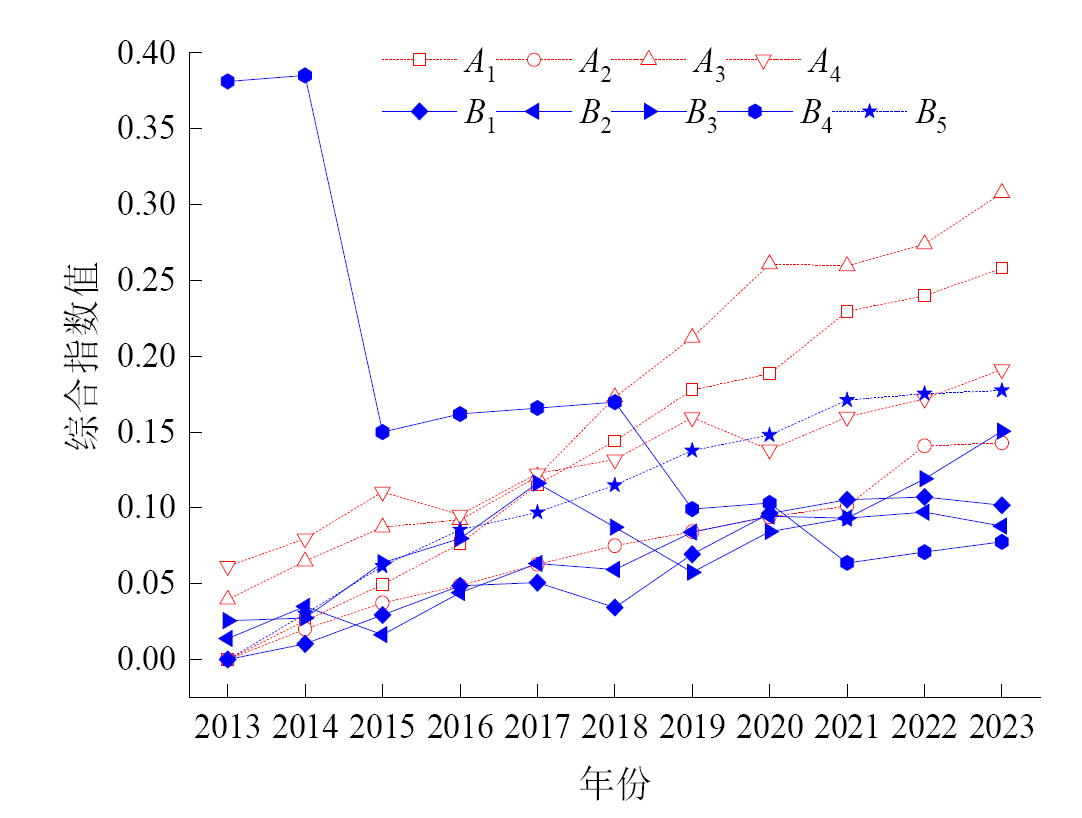
Figure 1 Development index of new urbanization and the construction of ‘Beautiful China’ system in Jiangsu Province
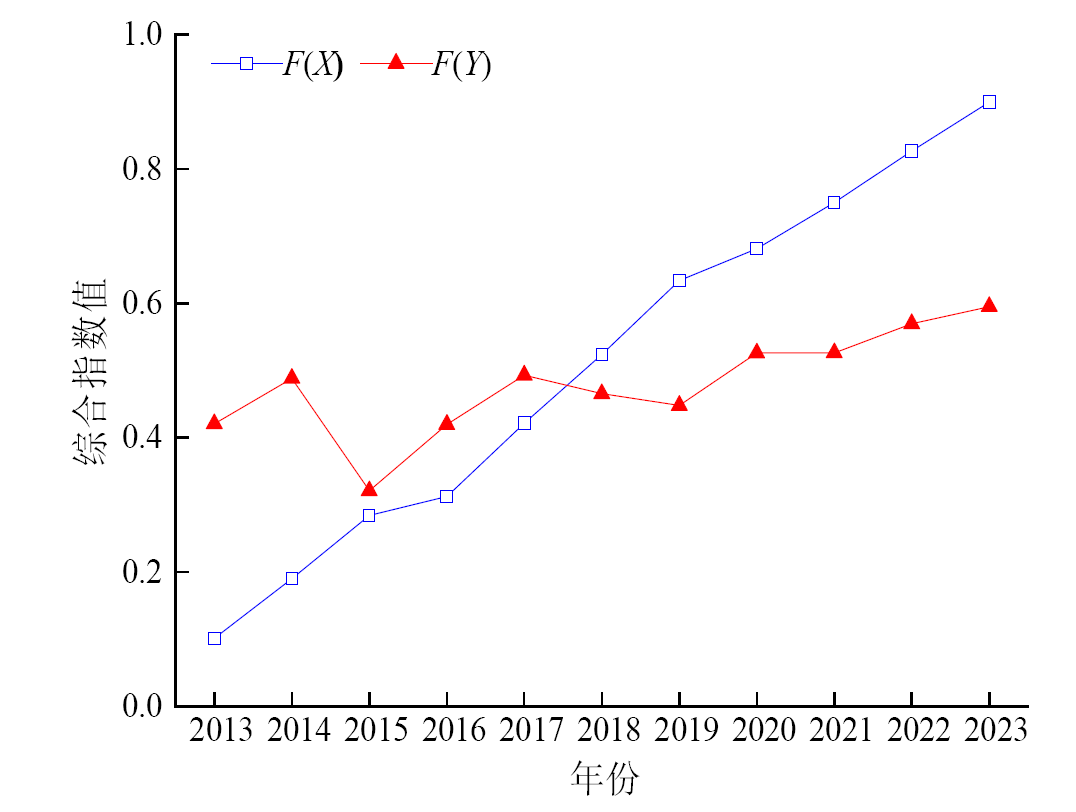
Figure 2 Comprehensive development index of new urbanization and the construction of ‘Beautiful China’ system in Jiangsu Province
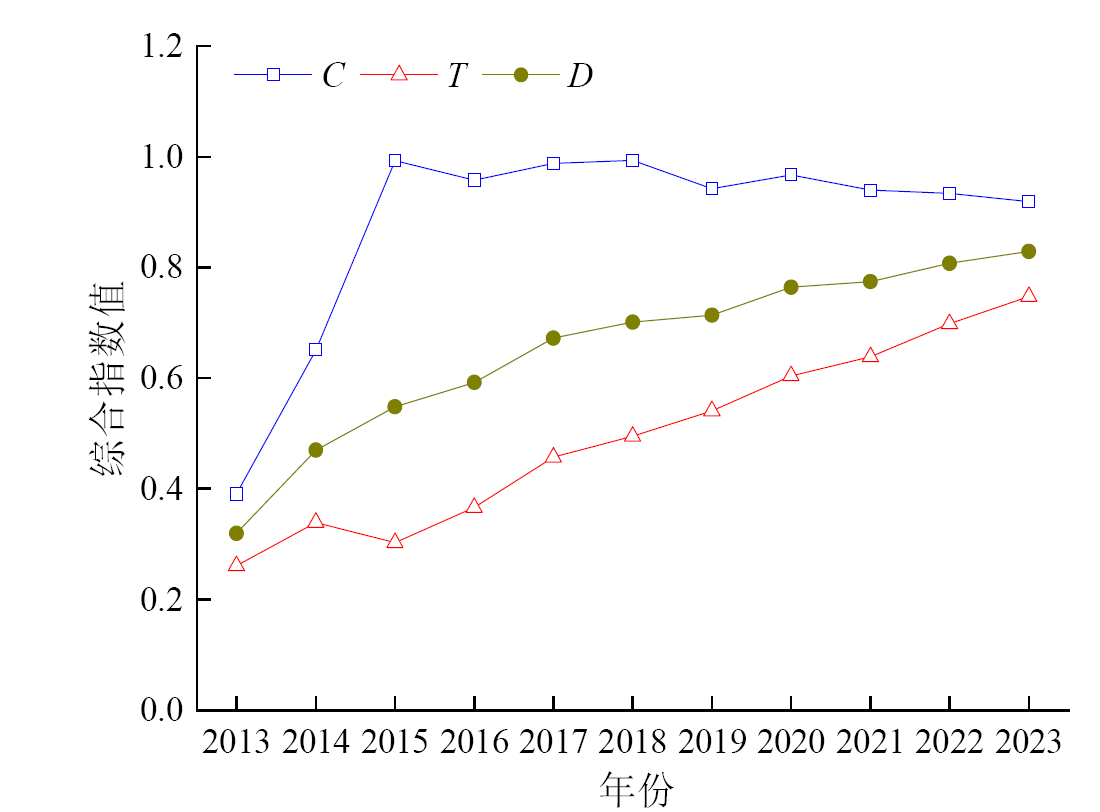
Figure 3 Dynamic change of coordinated development of new urbanization and the construction of ‘Beautiful China’ in Jiangsu Province
| 年份 | F(X) | F(Y) | C | 协调性 | T | D | 协调发展状况 |
|---|---|---|---|---|---|---|---|
| 2013 | 0.101 | 0.421 | 0.391 | 失调类 | 0.261 | 0.319 | 失调衰退类新型城镇化滞后型 |
| 2014 | 0.190 | 0.488 | 0.651 | 勉强协调 | 0.339 | 0.470 | 濒临失调衰退类新型城镇化滞后型 |
| 2015 | 0.285 | 0.321 | 0.993 | 优质协调 | 0.303 | 0.548 | 勉强协调发展类新型城镇化滞后型 |
| 2016 | 0.313 | 0.420 | 0.958 | 优质协调 | 0.366 | 0.592 | 勉强协调发展类新型城镇化滞后型 |
| 2017 | 0.421 | 0.493 | 0.988 | 优质协调 | 0.457 | 0.672 | 初级协调发展类美丽中国滞后型 |
| 2018 | 0.524 | 0.466 | 0.993 | 优质协调 | 0.495 | 0.701 | 中等协调发展类美丽中国滞后型 |
| 2019 | 0.634 | 0.448 | 0.942 | 优质协调 | 0.541 | 0.714 | 中等协调发展类美丽中国滞后型 |
| 2020 | 0.681 | 0.526 | 0.967 | 优质协调 | 0.604 | 0.764 | 中等协调发展类美丽中国滞后型 |
| 2021 | 0.750 | 0.526 | 0.939 | 优质协调 | 0.638 | 0.774 | 中等协调发展类美丽中国滞后型 |
| 2022 | 0.827 | 0.570 | 0.933 | 优质协调 | 0.698 | 0.807 | 良好协调发展类美丽中国滞后型 |
| 2023 | 0.900 | 0.595 | 0.919 | 优质协调 | 0.747 | 0.829 | 良好协调发展类美丽中国滞后型 |
Table 3 Coordinated development of new urbanization and the construction of ‘Beautiful China’ in Jiangsu Province from 2013 to 2023
| 年份 | F(X) | F(Y) | C | 协调性 | T | D | 协调发展状况 |
|---|---|---|---|---|---|---|---|
| 2013 | 0.101 | 0.421 | 0.391 | 失调类 | 0.261 | 0.319 | 失调衰退类新型城镇化滞后型 |
| 2014 | 0.190 | 0.488 | 0.651 | 勉强协调 | 0.339 | 0.470 | 濒临失调衰退类新型城镇化滞后型 |
| 2015 | 0.285 | 0.321 | 0.993 | 优质协调 | 0.303 | 0.548 | 勉强协调发展类新型城镇化滞后型 |
| 2016 | 0.313 | 0.420 | 0.958 | 优质协调 | 0.366 | 0.592 | 勉强协调发展类新型城镇化滞后型 |
| 2017 | 0.421 | 0.493 | 0.988 | 优质协调 | 0.457 | 0.672 | 初级协调发展类美丽中国滞后型 |
| 2018 | 0.524 | 0.466 | 0.993 | 优质协调 | 0.495 | 0.701 | 中等协调发展类美丽中国滞后型 |
| 2019 | 0.634 | 0.448 | 0.942 | 优质协调 | 0.541 | 0.714 | 中等协调发展类美丽中国滞后型 |
| 2020 | 0.681 | 0.526 | 0.967 | 优质协调 | 0.604 | 0.764 | 中等协调发展类美丽中国滞后型 |
| 2021 | 0.750 | 0.526 | 0.939 | 优质协调 | 0.638 | 0.774 | 中等协调发展类美丽中国滞后型 |
| 2022 | 0.827 | 0.570 | 0.933 | 优质协调 | 0.698 | 0.807 | 良好协调发展类美丽中国滞后型 |
| 2023 | 0.900 | 0.595 | 0.919 | 优质协调 | 0.747 | 0.829 | 良好协调发展类美丽中国滞后型 |
| 回归模型 | r2 | F | 标准误(SE) | p |
|---|---|---|---|---|
| C=0.004B53+0.683 | 0.269 | 14.22 | 0.116 | 0.001 |
| C=0.004B53+0.013A12−0.426 | 0.340 | 10.27 | 0.110 | 0.000 |
| C=0.0009B53+0.020A12+0.009B54−1.920 | 0.474 | 11.82 | 0.098 | 0.000 |
| T=0.005B53+0.166 | 0.667 | 73.23 | 0.073 | 0.000 |
| T=0.004B53+0.004A23−0.095 | 0.714 | 45.84 | 0.067 | 0.000 |
| T=0.005B53+0.006A23+0.009A45−0.452 | 0.751 | 37.24 | 0.063 | 0.000 |
| D=0.005B53+0.360 | 0.695 | 82.84 | 0.064 | 0.000 |
| D=0.004B53+0.004A23+0.071 | 0.768 | 60.53 | 0.056 | 0.000 |
| D=0.003B53+0.005A23+0.005B54−0.404 | 0.819 | 55.44 | 0.049 | 0.000 |
Table 4 Results of multivariate regression analysis
| 回归模型 | r2 | F | 标准误(SE) | p |
|---|---|---|---|---|
| C=0.004B53+0.683 | 0.269 | 14.22 | 0.116 | 0.001 |
| C=0.004B53+0.013A12−0.426 | 0.340 | 10.27 | 0.110 | 0.000 |
| C=0.0009B53+0.020A12+0.009B54−1.920 | 0.474 | 11.82 | 0.098 | 0.000 |
| T=0.005B53+0.166 | 0.667 | 73.23 | 0.073 | 0.000 |
| T=0.004B53+0.004A23−0.095 | 0.714 | 45.84 | 0.067 | 0.000 |
| T=0.005B53+0.006A23+0.009A45−0.452 | 0.751 | 37.24 | 0.063 | 0.000 |
| D=0.005B53+0.360 | 0.695 | 82.84 | 0.064 | 0.000 |
| D=0.004B53+0.004A23+0.071 | 0.768 | 60.53 | 0.056 | 0.000 |
| D=0.003B53+0.005A23+0.005B54−0.404 | 0.819 | 55.44 | 0.049 | 0.000 |
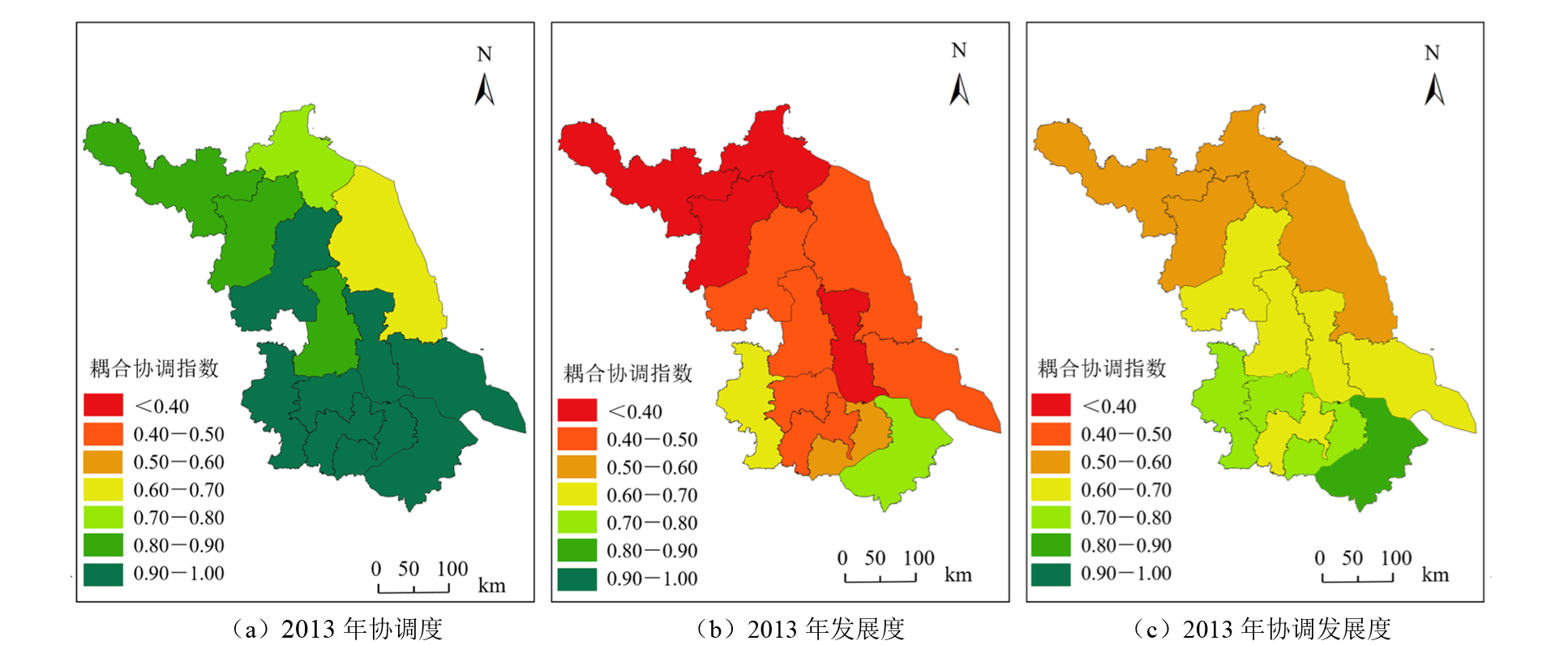
Figure 4 The spatial evolution pattern of the coordinated development of new urbanization and the construction of ‘Beautiful China’ in each city in Jiangsu Province in 2013
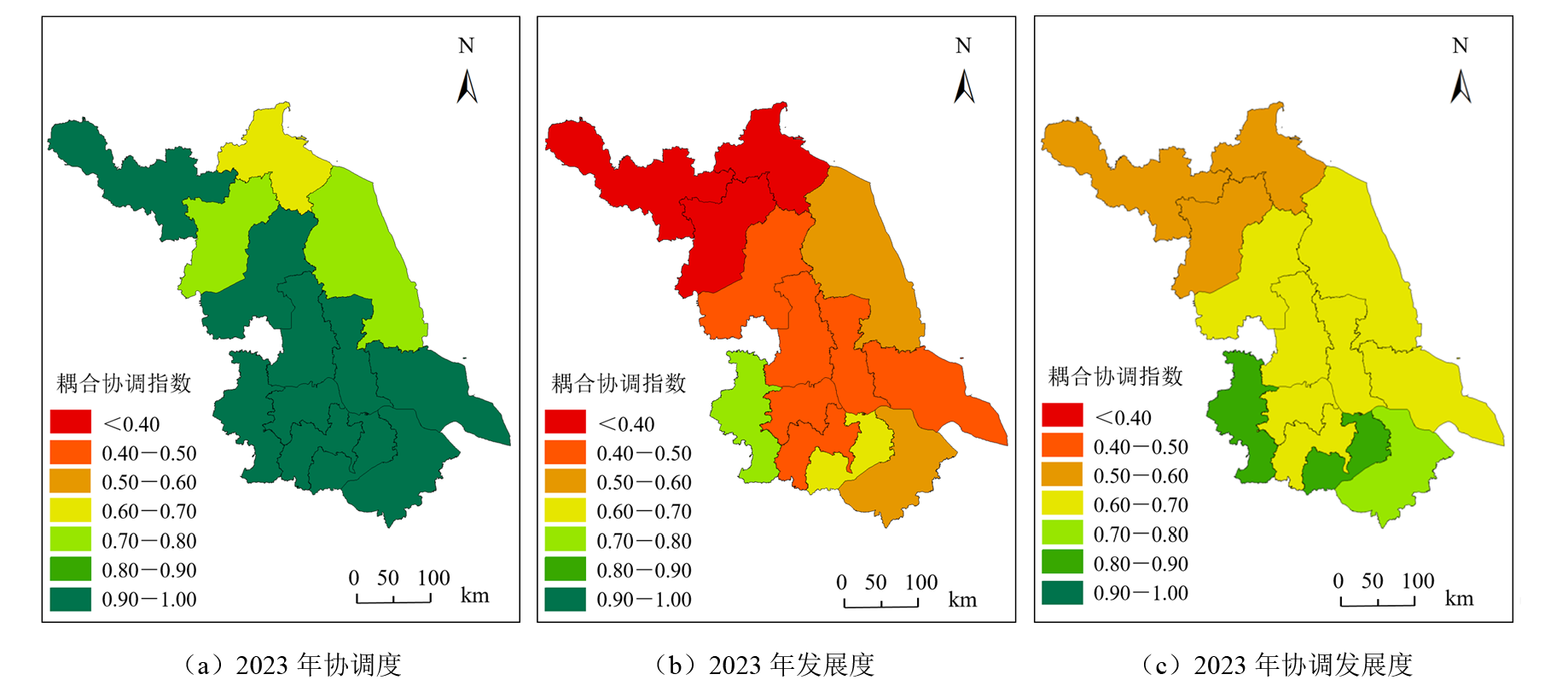
Figure 5 The spatial evolution pattern of the coordinated development of new urbanization and the construction of ‘Beautiful China’ in each city in Jiangsu Province in 2023
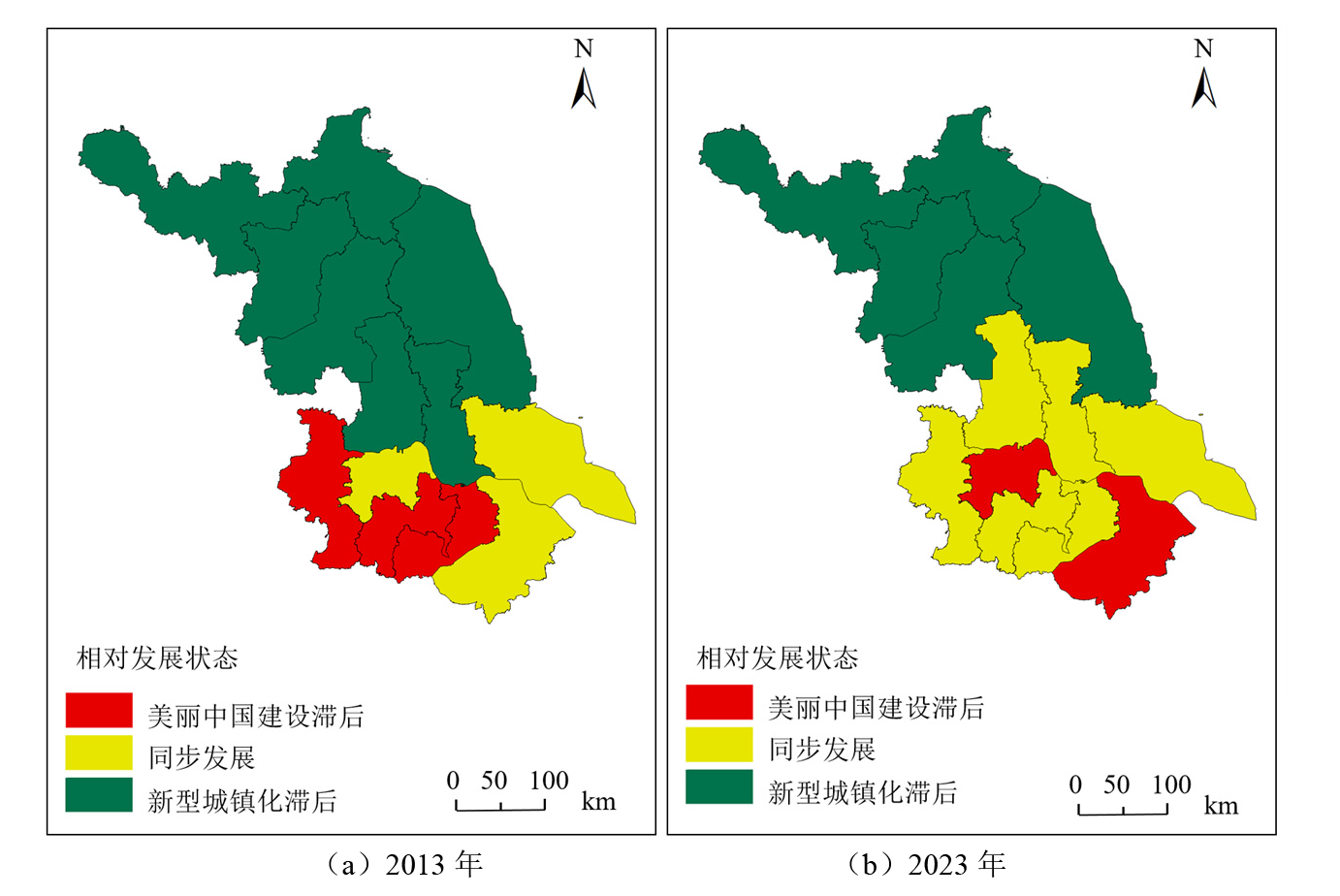
Figure 6 The evolution pattern of the relative development of new urbanization and the construction of ‘Beautiful China’ in Jiangsu Province
| [1] |
CHEN M, LU D, ZHA L, 2010. The comprehensive evaluation of China’s urbanization and effects on resources and environment[J]. Journal of Geographical Sciences, 20: 17-30.
DOI URL |
| [2] | FANG C L, ZHOU C H, GU C L, et al., 2016. Theoretical analysis of interactive coupled effects between urbanization and eco-environment in mega-urban agglomerations[J]. Acta Geologica Sinica (English Edition), 71: 531-550. |
| [3] |
GRIMM N B, FAETH S H, GOLUBIEWSKI N E, et al., 2008. Global change and the ecology of cities[J]. Science, 319(5864): 756-760.
DOI PMID |
| [4] |
GUAN Y, QIANG Y, QU Y Y, et al., 2024. Environmental sustainability and Beautiful China: A study of indicator identification and provincial evaluation[J]. Environmental Impact Assessment Review, 105: 107452.
DOI URL |
| [5] | HUANG J C, FANG C L, 2003. Analysis of coupling mechanism and rules between urbanization and eco-environment[J]. Geographical Research, 22(2): 211-220. |
| [6] | IHDP, 2005. Science plan: Urbanization and global environmental change[R]. IHDP Report No. 15. IHDP Secretariat:Bonn, Germany. |
| [7] |
WU J J, WEBER B A, PARTRIDGE M D, 2017. Rural-urban interdependence: A framework integrating regional, urban, and environmental economic insights[J]. American Journal of Agricultural Economics, 99(2): 464-480.
DOI URL |
| [8] |
YANG J, WU T H, GONG P, 2017. Implementation of China’s new urbanization strategy requires new thinking[J]. Science Bulletin, 62(2): 81-82.
DOI URL |
| [9] |
YAO L, LI X L, LI Q, et al., 2019. Temporal and spatial changes in coupling and coordinating degree of new urbanization and ecological-environmental stress in China[J]. Sustainability, 11(4): 1171.
DOI URL |
| [10] | ZHANG X X, SUN F M, YANG J, et al., 2021. Situation and treatment methods of ecological and environmental problems during the process of urbanization in rural areas of China[J]. Nature Environment and Pollution Technology, 20(4): 1781-1787. |
| [11] |
陈洁茹, 叶长盛, 魏嶶, 等, 2025. 环鄱阳湖城市群县域 “三生空间” 耦合协调性及影响因素分析[J]. 生态环境学报, 34(5): 807-818.
DOI |
| CHEN J R, YE C S, WEI W, et al., 2025. Analysis of “Production-Living-Ecological Space” coupling coordination and influencing factors in county areas of Poyang Lake city cluster[J]. Ecology and Environmental Sciences, 34(5): 807-818. | |
| [12] |
陈臻, 伊然, 洪志生, 等, 2025. 新型城镇化与可持续人类福祉的耦合协调及障碍因素——以长三角城市群为例[J]. 经济地理, 45(5): 57-64.
DOI |
|
CHEN Z, YI R, HONG Z S, 2025. Coupled coordination between new urbanization and sustainable human well-being and its obstacle factors: Evidence from Yangtze River Delta urban agglomeration[J]. Economic Geography, 45(5): 57-64.
DOI |
|
| [13] | 陈梓玄, 张斌, 2024. 江苏省城镇化与生态环境协调发展研究[J]. 经济研究导刊 (2): 74-77. |
| CHEN Z X, ZHANG B, 2024. Research on the coordinated development of urbanization and ecological environment in Jiangsu Province[J]. Economic Research Guide (2): 74-77. | |
| [14] | 方创琳, 鲍超, 乔标, 2008. 城市化过程与生态环境效应[M]. 北京: 科学出版社. |
| FANG C L, BAO C, QIAO B, 2008. Urbanization process and urban ecological environment effect[M]. Beijing: Science Press. | |
| [15] |
方创琳, 赵文杰, 2023. 新型城镇化及城乡融合发展促进中国式现代化建设[J]. 经济地理, 43(1): 10-16.
DOI |
|
FANG C L, ZHAO W J, 2023. Facilitating Chinese path to modernization through new-type urbanization and integrated urban-rural development[J]. Economic Geography, 43(1): 10-16.
DOI |
|
| [16] | 冯俊华, 张路路, 2022. 陕西省新型城镇化与生态环境协调度研究[J]. 生态学报, 42(11): 4617-4629. |
| FENG J H, ZHANG L L, 2022. Coordination degree between new urbanization and ecological environment in Shaanxi Province[J]. Acta Ecologica Sinica, 42(11): 4617-4629. | |
| [17] | 关伟, 刘勇凤, 2012. 辽宁沿海经济带经济与环境协调发展度的时空演变[J]. 地理研究, 31(11): 2044-2054. |
| GUAN W, LIU Y F, 2012, The analysis of spatiotemporal evolution of economic and environmental coordination development degree in Liaoning Coastal Economic Belt[J]. Geographical Research, 31(11): 2044-2054. | |
| [18] | 韩秀丽, 胡烨君, 马志云, 2023. 乡村振兴、新型城镇化与生态环境的耦合协调发展: 基于黄河流域的实证[J]. 统计与决策, 39(11): 122-127. |
| HAN X L, HU Y J, MA Z Y, 2023. Coupling and Coordinated development of rural revitalization, new-type urbanization and ecological environment: An empirical study of the Yellow River Basin[J]. Statistics & Decision, 39(11): 122-127. | |
| [19] | 廖重斌, 1999. 环境与经济协调发展的定量评判及其分类体系——以珠江三角洲城市群为例[J]. 热带地理, 19(2): 171-177. |
| LIAO C B, 1999. Quantitative judgement and classification system for coordinated development of environment and economy: A case study of the city group in the Pearl River Delta[J]. Tropical Geography, 19(2): 171-177. | |
| [20] |
刘海龙, 王改艳, 张鹏航, 等, 2024. 汾河流域新型城镇化与生态韧性耦合协调时空演变及协调影响力研究[J]. 自然资源学报, 39(3): 640-667.
DOI |
|
LIU H L, WANG G Y, ZHANG P H, et al., 2024. Spatio-temporal evolution and coordination influence of coupling coordination between new urbanization and ecological resilience in Fenhe River Basin[J]. Journal of Natural Resources, 39(3): 640-667.
DOI URL |
|
| [21] | 钱志权, 韩佳银, 2023. 长三角城市群新型城镇化与低碳发展耦合过程与机理[J]. 长江流域资源与环境, 32(11): 2285-2297. |
| QIAN Z Q, HAN J Y, 2023. Coupling process and mechanism of new-type urbanization and low-carbon development in Yangtze River Delta Urban agglomeration[J]. Resources and Environment in the Yangtze Basin, 32(11): 2285-2297. | |
| [22] | 谈育明, 王世泰, 2023. 美丽中国建设的测度评价:区域差异和动态演化[J]. 统计与决策, 39(17): 74-78. |
| TAN Y M, WANG S T, 2023. Measurement and evaluation of the construction of Beautiful China: Regional differences and dynamic evolution[J]. Statistics & Decision, 39(17): 74-78. | |
| [23] |
陶德凯, 张子建, 2025. 江苏省国土空间绿色发展水平与生态系统服务耦合协同关系研究[J]. 生态环境学报, 34(2): 181-196.
DOI |
| HAN D K, ZHANG Z J, 2025. A study on the coupling and synergistic relationship between the level of territorial space green development and ecosystem services in Jiangsu province[J]. Ecology and Environmental Sciences, 34(2): 181-196. | |
| [24] | 田梦婷, 赵姚阳, 2023. 新型城镇化与生态环境耦合协调发展研究——以江苏省为例[J]. 江西农业学报. 35(12): 156-163. |
| TIAN M T, ZHAO Y Y, 2023. Coupling and coordinated development of new urbanization and ecological environment: A case study of Jiangsu Province[J]. Acta Agriculturae Jiangxi, 35(12): 156-163. | |
| [25] |
王锋, 张芳, 林翔燕, 等, 2018. 长三角 “人口-土地-经济-社会” 城镇化的耦合协调性研究[J]. 工业技术经济, 37(4): 45-52.
DOI |
| WANG F, ZHANG F, LIN X Y, et al., Study on coupling coordination degree among “population, land, economy and society” urbanization in the Yangtze River Delta Region[J]. Journal of Industrial Technology and Economy, 37(4): 45-52. | |
| [26] | 王建华, 肖勇朋, 2023. 生态环境效率影响因素和时空演变特征分析——以江苏省为例[J]. 生态经济, 39(7): 165-170. |
|
WANG J H, XIAO Y P, 2023. Analysis of influencing factors and spatial-temporal evolution characteristics of eco-environmental efficiency: Taking Jiangsu Province as an example[J]. Ecological Economy, 39(7): 165-170.
DOI URL |
|
| [27] | 王利光, 葛幼松, 2007. 南京市经济与环境协调发展度评价[J]. 安徽师范大学学报(自然科学版), 30(4): 500-503, 526. |
| WANG L G, GE Y S, 2007. Evaluation of coordinated development degree between economy and environment in Nanjing[J]. Journal of Anhui Normal University (Natural Science), 30(4): 500-503, 526. | |
| [28] | 吴百川, 丛海彬, 邹德玲, 等, 2020. 中国省域新型城镇化与生态环境耦合协调发展研究[J]. 宁波大学学报(理工版), 33(6): 96-102. |
| WU B C, CONG H B, ZOU D L, et al., 2020. Coupling coordination degree of new urbanization and ecological environment at the provincial level in China[J]. Journal of Ningbo University (Natural Science & Engineering Edition), 33(6): 96-102. | |
| [29] |
杨亮洁, 张小鸿, 潘竟虎, 等, 2021. 成渝城市群城镇化与生态环境耦合协调及交互影响[J]. 应用生态学报, 32(3): 993-1004.
DOI |
| YANG L J, ZHANG X H, PAN J H, et al., 2021. Coupling coordination and interaction between urbanization and eco-environment in Chengyu Urban agglomeration, China[J]. Chinese Journal of Applied Ecology, 32(3): 993-1004. | |
| [30] |
杨宜男, 李敬, 王立, 等, 2022. 长三角地区城市化对典型生态系统服务供需的影响[J]. 自然资源学报, 37(6): 1555-1571.
DOI |
|
River Delta[J]. Journal of Natural Resources, 37(6): 1555-1571.
DOI URL |
|
| [31] | 张潇晗, 张小林, 李红波, 2020. 江苏省新型城镇化与产业结构协调发展分析[J]. 南京师大学报(自然科学版), 43(3): 91-98. |
| ZHANG X H, ZHANG X L, LI H B, 2020. Analysis on the coordinated development of new urbanization and industrial structure in Jiangsu Province[J]. Journal of Nanjing Normal University (Natural Science Edition), 43(3): 91-98. | |
| [32] | 中国统计年鉴编委会, 2024. 中国统计年鉴[M]. 北京: 中国统计出版社. |
| Editorial Committee of China Statistical Yearbook, 2024. China Statistical Yearbook[M]. Beijing: China Statistics Press. |
| [1] | SHI Hanzhi, CAO Yiran, LIU Fan, WU Zhichao, LI Furong, DENGTENG Haobo, XU Aiping, LI Dongqin, WEN Dian, WANG Xu. Study on the Regulation of Soil Lead Forms Transformation under the Combined Action of Straw and Bacteria [J]. Ecology and Environmental Sciences, 2026, 35(1): 155-166. |
| [2] | HAO Xiaoyan, DONG Chao, XUE Yang, HAN Liping. Symbiotic Effects and Influencing Factors of Energy Supply and Ecological Security in Energy Endowment Advantageous Areas [J]. Ecology and Environmental Sciences, 2025, 34(6): 974-985. |
| [3] | CHEN Jieru, YE Changsheng, WEI Wei, CAI Xin, WANG Lili. Analysis of “Production-Living-Ecological Space” Coupling Coordination and Influencing Factors in County Areas of Poyang Lake City Cluster [J]. Ecology and Environmental Sciences, 2025, 34(5): 807-818. |
| [4] | GUO Mingbin, GONG Jianzhou, WANG Lijuan, WANG Shikuan. Analysis of the Natural Dominant Factors Driving NO2 Concentration Changes in the Guangdong-Hong Kong-Macao Greater Bay Area from 2019 to 2023 [J]. Ecology and Environmental Sciences, 2025, 34(4): 534-547. |
| [5] | ZHAO Zhongbao, LI Jing, LIU Xiaodan, BAI Xiang, LIU Haoye, XU Xiaona, GENG Shigang, LU Shaobao. Studies on the Valuation of Forest Ecological Products and the Spatial Distribution Driving Factors in Hebei Province [J]. Ecology and Environmental Sciences, 2025, 34(2): 321-332. |
| [6] | WANG Chunmei, JIANG Bingqi, HU Jun, CHEN Daiwen, HUANG Lihua, CHENG Wanwan. Multi-scale Variations and Influencing Factors of Total Radioactivity in Atmospheric Environment Around Nuclear Power Plants [J]. Ecology and Environmental Sciences, 2025, 34(12): 1900-1908. |
| [7] | XIA Yining, LIU Peng’ao, HE Kerun, TIAN Chaohui, ZENG Liting, HOU Kelun. Spatiotemporal Dynamics and Scenario Simulations of Ecosystem Carbon Storage Based on Land Use Changes in the Changsha-Zhuzhou-Xiangtan Metropolitan Area [J]. Ecology and Environmental Sciences, 2025, 34(11): 1661-1674. |
| [8] | KONG Xiaoyun, ZHANG Yongkun, LI Runjie, LI Ying, LIN Chengqing, MA Zhanming, XIN Jilin, YANG Xiaoxuan, DANG Yile, ZHAO Jiayi, FENG Lingzheng, ZHOU Yan. Characteristics of Spatial Variation of Organic Carbon in Cultivated Soil Aggregates in Huangshui River Basin and Analysis of Its Driving Factors [J]. Ecology and Environmental Sciences, 2025, 34(11): 1715-1727. |
| [9] | CHEN Xinyi, MAO Yaruo, SONG Liangying, WANG Tongyao, LI Qiquan. Characteristics of Spatial Distribution of Total Phosphorus in Cropland Soils and Its Main Controlling Factors in the Sichuan Basin [J]. Ecology and Environmental Sciences, 2025, 34(10): 1569-1578. |
| [10] | SUN Yunkun, FENG Qi, DING Changhong, WEN Zhaofei. Study on the Change Pattern of Ecosystem Service Functions in the Water-level-Fluctuation Zone of the Three Gorges Reservoir [J]. Ecology and Environmental Sciences, 2025, 34(1): 13-25. |
| [11] | WANG Wei, XIA Yuxuan. Spatial Distribution Characteristics of PM2.5 in Urban Block Based on Remote Sensing Technology and Machine Learning: Taking Binhu New District of Hefei City as an Example [J]. Ecology and Environmental Sciences, 2024, 33(9): 1426-1437. |
| [12] | OUYANG Meifeng, YIN Yuying, ZHANG Jinchen, LIU Qinglin, XIE Yinan, FANG Ping. Spatial Distribution Characteristics and Source Analysis of Heavy Metals in Typical Water Areas of Dongting Lake [J]. Ecology and Environmental Sciences, 2024, 33(8): 1269-1278. |
| [13] | ZHANG Weichen, WANG Xingqi, WANG Bojie. Spatiotemporal Pattern and Influencing Factors of the Ecosystem Services in the Tabu River Basin [J]. Ecology and Environmental Sciences, 2024, 33(7): 1142-1152. |
| [14] | LI Cheng, CHENG Zhipeng, LIU Yujin, YAO Yiming, LI Chunlei. Research on Ecological Risks and Its Control Policies of Per- and Polyfluoroalkyl Substances [J]. Ecology and Environmental Sciences, 2024, 33(6): 980-996. |
| [15] | WEI Yu, HU Ying, LI Xiaozhen, LIAO Jiapei, FU Ruiyu, HU Zhongmin, YANG Yue. Spatial Pattern of Net Primary Productivity and Asymmetric Response of Precipitation in Global Grassland Ecosystems [J]. Ecology and Environmental Sciences, 2024, 33(12): 1827-1836. |
| Viewed | ||||||
|
Full text |
|
|||||
|
Abstract |
|
|||||
Copyright © 2021 Editorial Office of ACTA PETROLEI SINICA
Address:No. 6 Liupukang Street, Xicheng District, Beijing, P.R.China, 510650
Tel: 86-010-62067128, 86-010-62067137, 86-010-62067139
Fax: 86-10-62067130
Email: syxb@cnpc.com.cn
Support byBeijing Magtech Co.ltd, E-mail:support@magtech.com.cn
