
生态环境学报 ›› 2026, Vol. 35 ›› Issue (7): 997-1004.DOI: 10.16258/j.cnki.1674-5906.2026.07.001
• “新污染物”研究专栏 •
下一篇
花莉*( ), 陈雨, 代高凡, 李琳丰
收稿日期:2025-10-29
修回日期:2026-01-10
接受日期:2026-03-09
出版日期:2026-07-18
发布日期:2026-07-17
通讯作者:
*花莉, huali@sust.edu.cn
作者简介:花莉(1979年生),女,教授,博士,博士研究生导师,研究方向为污染环境生态技术研发;生物质炭的环境效益研究(温室气体减排及土壤碳截留)。E-mail: huali@sust.edu.cn
基金资助:
Hua Li*(), Chen Yu, Dai Gaofan, Li Linfeng
Received:2025-10-29
Revised:2026-01-10
Accepted:2026-03-09
Online:2026-07-18
Published:2026-07-17
摘要:
为实现四溴双酚A(TBBPA)污染土壤的有效修复与治理,制备多种蒙脱石基过渡金属材料,经对比筛选后确定以零价纳米铁改性有机蒙脱石(nZVI@CMT)为目标修复材料。借助SEM、TEM、XRD、FTIR及XPS对材料进行了表征,分析其改性前后的形态与结构变化;通过测定土壤中TBBPA浓度变化、土壤酶活性及生物形态等指标,系统评价nZVI@CMT对TBBPA污染土壤的修复效果;采用LC-MS联用技术监测nZVI@CMT去除土壤TBBPA过程中可能产生的反应产物,探讨了其反应途径。结果表明:在自然环境条件下,未添加nZVI@CMT的污染组土壤,42 d后TBBPA去除率仅为19.90%;而添加nZVI@CMT的处理组土壤,42 d时TBBPA去除率提升至73.15%。同时,nZVI@CMT对土壤酶活性具有正向调节作用,可有效减缓TBBPA对土壤中蚯蚓的损伤,改善污染土壤中种子的发芽率及发芽趋势,对TBBPA污染土壤展现出良好的修复效能。此外,LC-MS分析证实,TBBPA在土壤中的主要降解过程包括β键断裂、去甲基化及苯环开环反应。该研究以有机-无机复合改性制备ZVI@CMT,用于TBBPA污染土壤修复,结合土壤理化、酶活性及生物指标评价,为污染土壤可持续修复提供全面依据。
中图分类号:
花莉, 陈雨, 代高凡, 李琳丰. 过渡金属改性有机蒙脱石对四溴双酚A污染土壤修复作用研究[J]. 生态环境学报, 2026, 35(7): 997-1004.
Hua Li, Chen Yu, Dai Gaofan, Li Linfeng. Iron-modified Organo-montmorillonite Nanocomposites for Enhanced Remediation of Tetrabromobisphenol A Contaminated Soil[J]. Ecology and Environmental Sciences, 2026, 35(7): 997-1004.
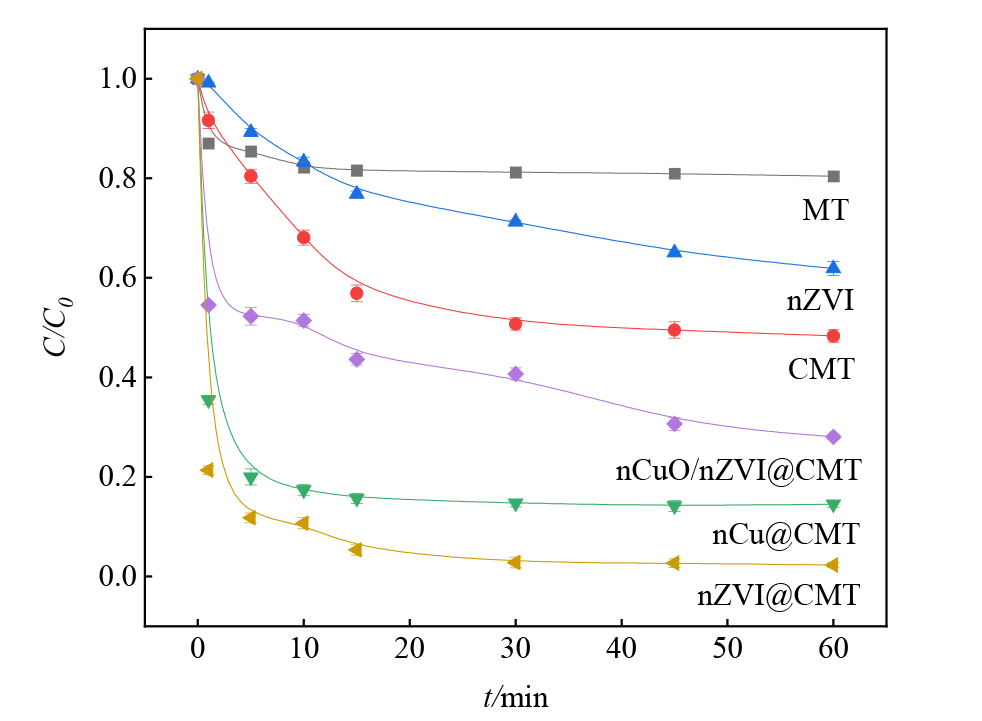
图1 不同材料对TBBPA去除效果
Figure 1 Effects of different materials on the removal of TBBPA
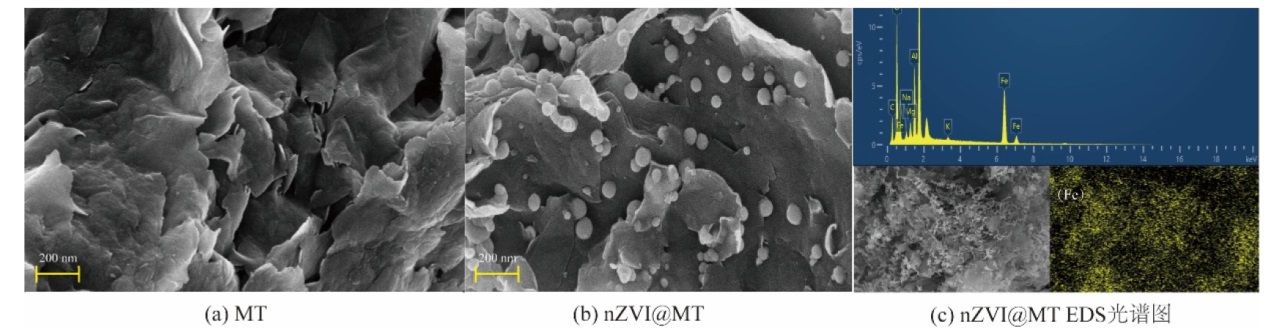
图2 MT和nZVI@CMT扫描电镜图
Figure 2 Scanning electron micrographs of MT and nZVI@CMT
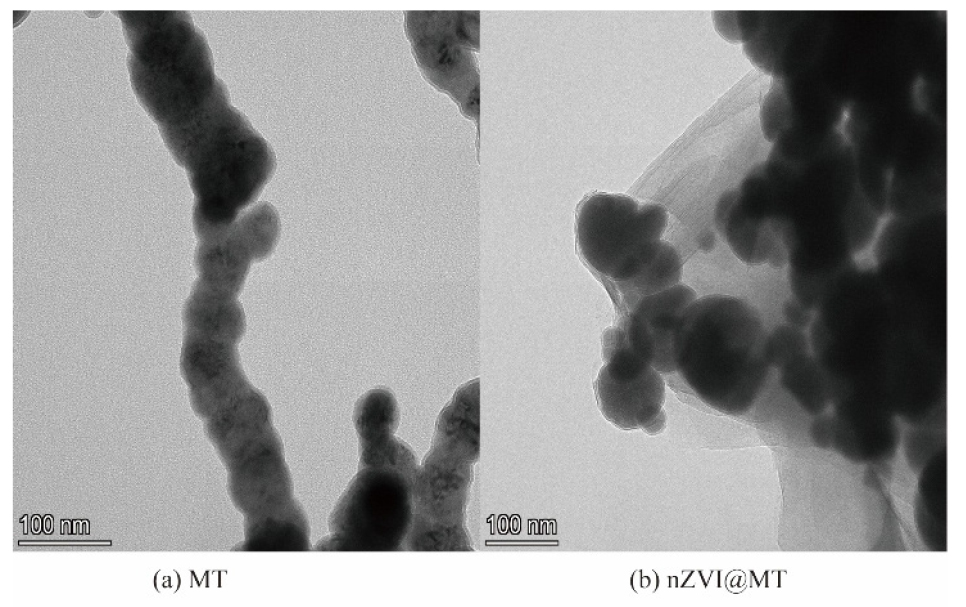
图3 nZVI和nZVI@CMT透射电镜图
Figure 3 Transmission electron micrographs of MT and nZVI@CMT
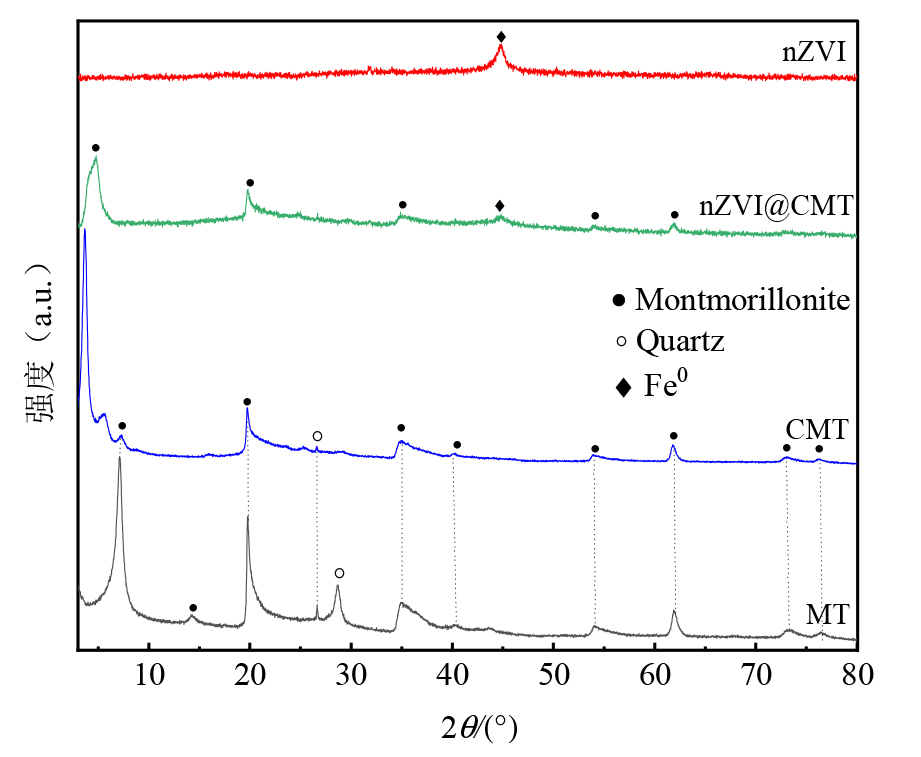
图4 材料XRD谱图
Figure 4 XRD spectrum of materials
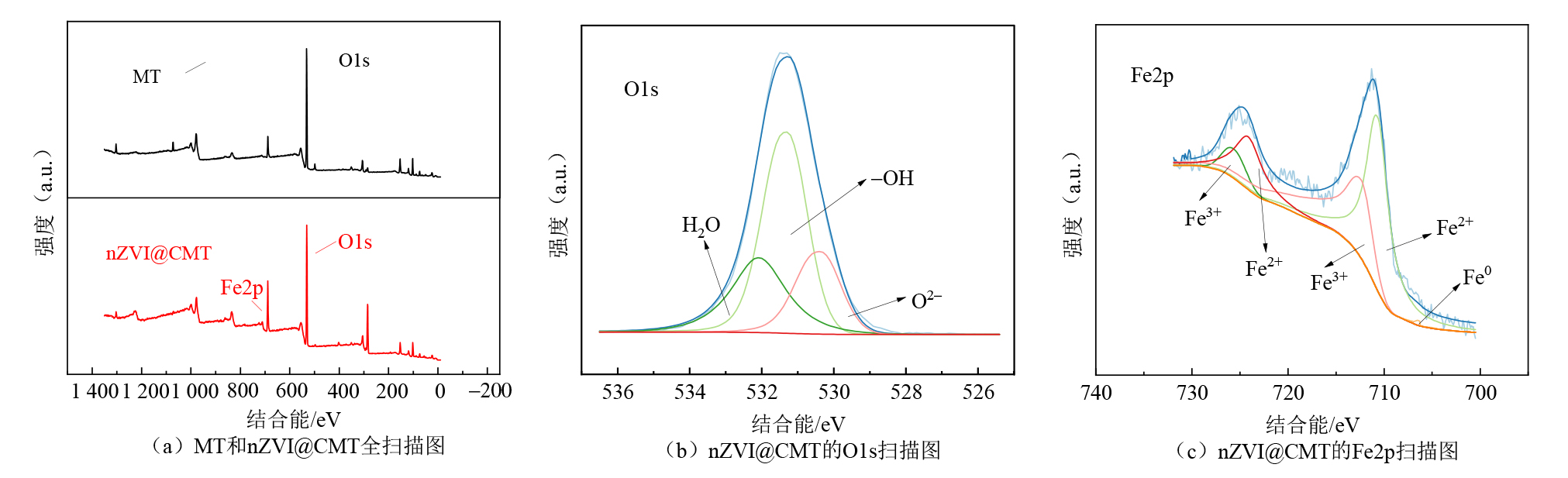
图5 MT和nZVI@CMT的XPS谱图
Figure 5 XPS survey spectra of MT and nZVI@CMT
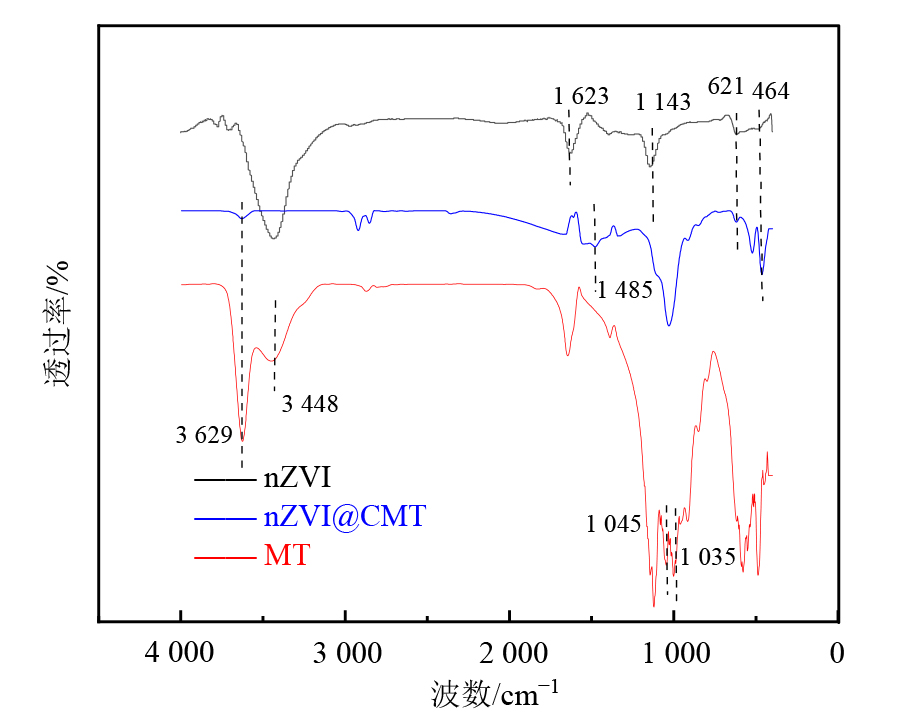
图6 MT,nZVI和nZVI@CMT的红外谱图
Figure 6 FTIR spectra of MT, nZVI and nZVI@CMT
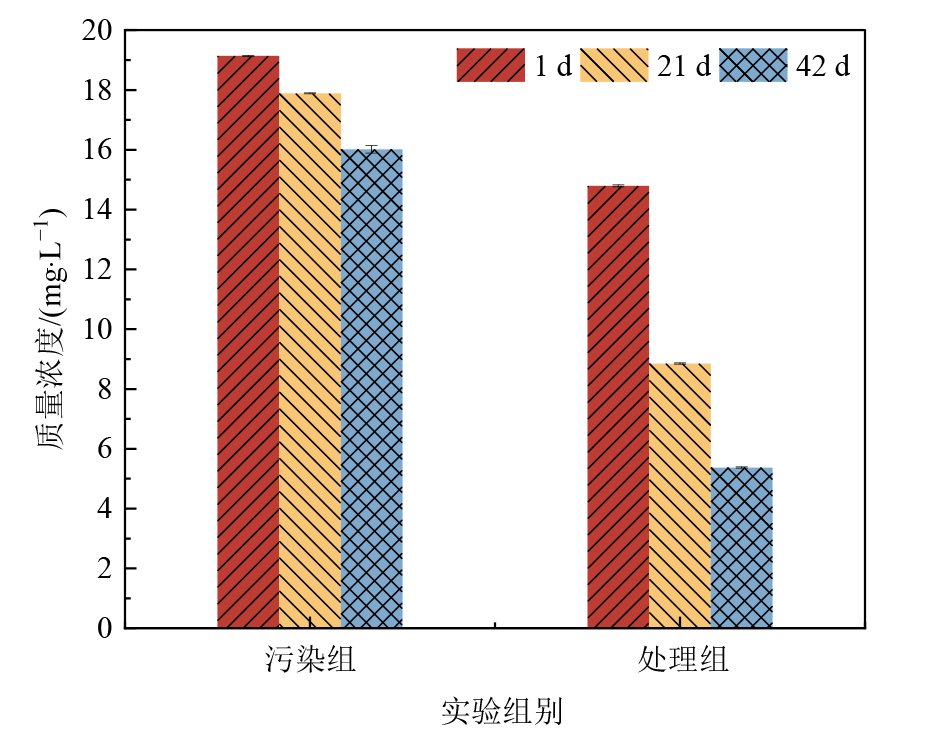
图7 TBBPA浓度变化
Figure 7 Changes in TBBPA concentration
| 产物序号 | m/z | 分子式 | 结构式 |
|---|---|---|---|
| 1 | 308 | C9H10Br2O2 | 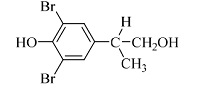 |
| 2 | 250 | C6H4Br2O | 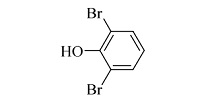 |
| 3 | 324 | C9H10Br2O3 | 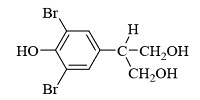 |
| 4 | 115 | C4H4O4 | 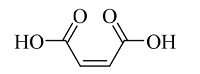 |
表1 土壤中nZVI@CMT去除TBBPA中间产物
Table 1 Intermediate products tset table of nZVI@CMT removing TBBPA in soil
| 产物序号 | m/z | 分子式 | 结构式 |
|---|---|---|---|
| 1 | 308 | C9H10Br2O2 | |
| 2 | 250 | C6H4Br2O | |
| 3 | 324 | C9H10Br2O3 | |
| 4 | 115 | C4H4O4 | |
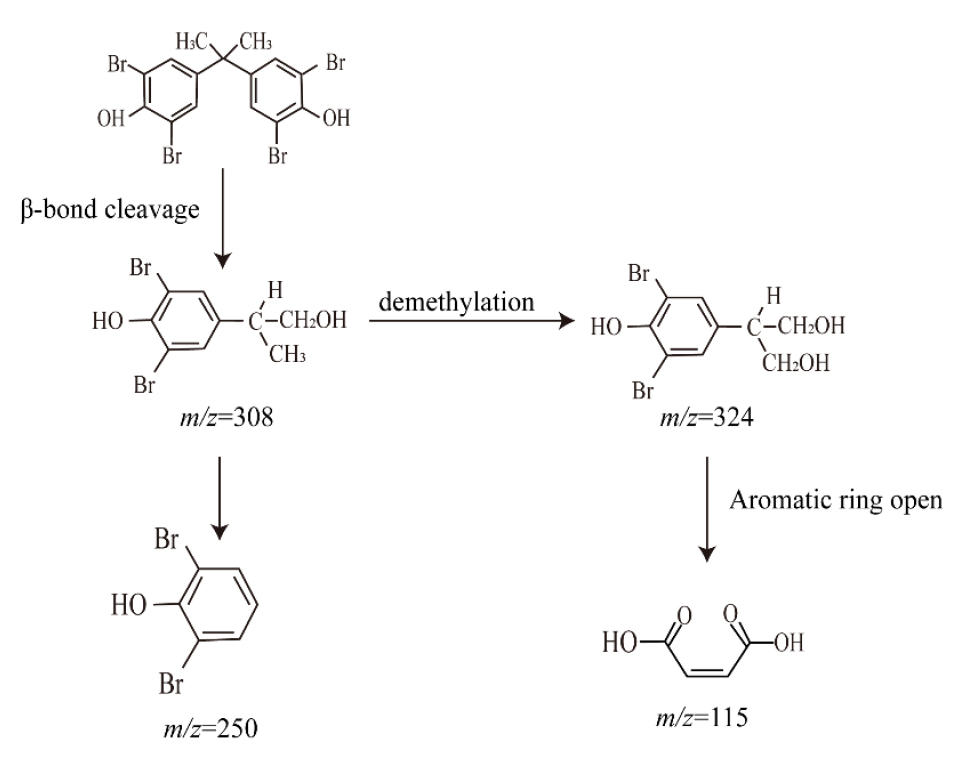
图8 土壤中TBBPA降解途径
Figure 8 The degradation pathways of TBBPA in soil

图9 土壤中酶活性变化
Figure 9 Changes in enzyme activity in soil

图10 赤子爱胜蚓体表结构扫描电镜观察
Figure 10 Epidermal morphology of Eisenia foetida skin under scanning electron microscope
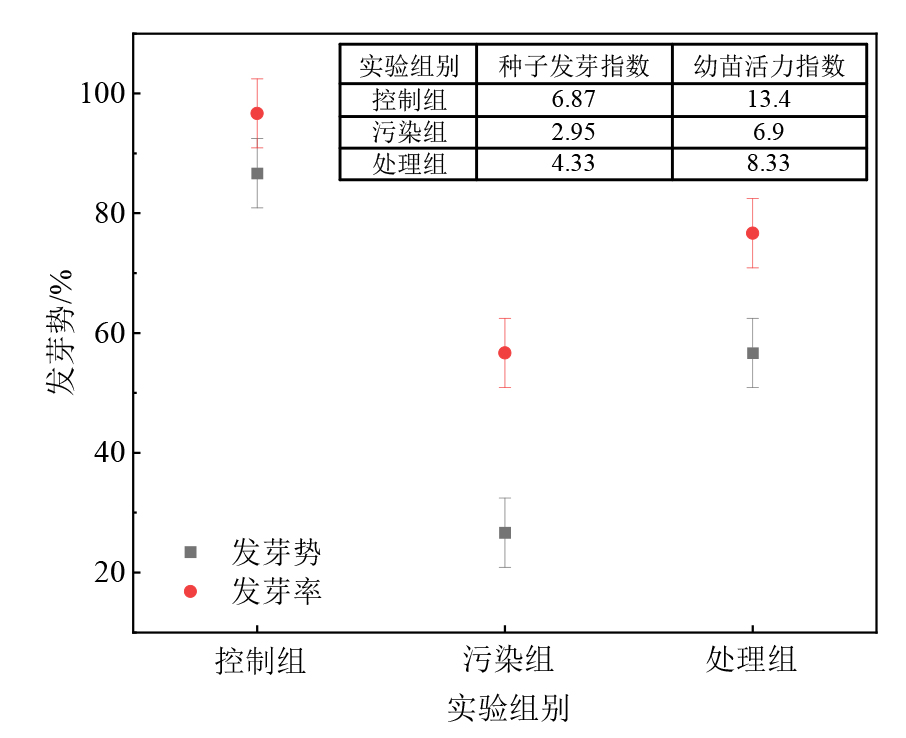
图11 种子发芽率和发芽势
Figure 11 Seed germination rate and germination potential
| [1] |
Bigorgne E, Foucaud L, Lapied E, et al., 2011. Ecotoxicological assessment of TiO2 by products on the earthworm Eisenia fetida[J]. Environmental Pollution, 159(10): 2698-2705.
DOI PMID |
| [2] |
Byun K H, Han S H, Yoon J W, et al., 2021. Efficacy of chlorine-based disinfectants (sodium hypochlorite and chlorine dioxide) on Salmonella Enteritidis planktonic cells, biofilms on food contact surfaces and chicken skin[J]. Food Control, 123: 107838.
DOI URL |
| [3] |
Chen Q Z, Zhu R L, Deng W X, et al., 2014. From used montmorillonite to carbon monolayer-montmorillonite nanocomposites[J]. Applied Clay Science, 100: 112-117.
DOI URL |
| [4] |
Chen X J, Huang G D, Li Y P, et al., 2020. Functional PVDF ultrafiltration membrane for Tetrabromobisphenol-A (TBBPA) removal with high water recovery[J]. Water Research, 181: 115952.
DOI URL |
| [5] |
Huang D L, Xue W J, Zeng G M, et al., 2016. Immobilization of Cd in river sediments by sodium alginate modified nanoscale zero-valent iron: Impact on enzyme activities and microbial community diversity[J]. Water Research, 106: 15-25.
DOI PMID |
| [6] |
Khaorapapong N, Khumchoo N, Ogawa M, 2015. Preparation of copper oxide in smectites[J]. Applied Clay Science, 104: 238-244.
DOI URL |
| [7] |
Li F J, Wang J J, Jiang B Q, et al., 2015. Fate of tetrabromobisphenol A (TBBPA) and formation of ester-and ether-linked bound residues in an oxic sandy soil[J]. Environmental Science & Technology, 49(21): 12758-12765.
DOI URL |
| [8] |
Li T Y, He Y Z, Peng X X, 2020. Efficient removal of tetrabromobisphenol A (TBBPA) using sewage sludge-derived biochar: Adsorptive effect and mechanism[J]. Chemosphere, 251: 126370.
DOI URL |
| [9] |
Li X, Deng Q, Zhang Z L, et al., 2015. Removal of tetrabromobisphenol-A from aqueous solution by Al13-Montmorillonite modified with different types of surfactants and transition metals[J]. Desalination and Water Treatment, 57(46): 22000-22016.
DOI URL |
| [10] |
Li Z, Song Z X, Yang J C, et al., 2023. Mitigating mechanism of nZVI-C on the inhibition of anammox consortia under long-term tetracycline hydrochloride stress: Extracellular polymeric substance properties and microbial community evolution[J]. Journal of Hazardous Materials, 452: 131035.
DOI URL |
| [11] |
Lin K D, Liu W P, Gan J, 2009. Reaction of tetrabromobisphenol A (TBBPA) with manganese dioxide: Kinetics, products, and pathways[J]. Environmental Science & Technology, 43(12): 4480-4486.
DOI URL |
| [12] | Liu Q X, Wu L M, Wang X L, et al., 2022. Study on preparation and mechanism of organic montmorillonite with different functional groups[J]. AIP Advances, 12(4): 0085139. |
| [13] |
Macêdo W V, Oliveira G H D, Zaiat M, 2021. Tetrabromobisphenol A (TBBPA) anaerobic biodegradation occurs during acidogenesis[J]. Chemosphere, 282: 130995.
DOI URL |
| [14] |
Shah S H, Parrey Z A, Barwal S K, et al., 2024. Deciphering the mechanism of action and crosstalk of brassinosteroids with other plant growth regulators in orchestrating physio-biochemical responses in plants under salt stress[J]. Plant Growth Regulation, 104: 1285-1306.
DOI |
| [15] |
Singh S, Singh J, Vig A P, 2016. Earthworm as ecological engineers to change the physico-chemical properties of soil: Soil vs vermicast[J]. Ecological Engineering, 90: 1-5.
DOI URL |
| [16] |
Vasseur P, Bonnard M, 2014. Ecogenotoxicology in earthworms: A review[J]. Current zoology, 60(2): 255-272.
DOI URL |
| [17] |
Wang Y, Zhang M, Zhao L F, et al., 2019. Effects of tetrabromobisphenol A on maize (Zea mays L.) physiological indexes, soil enzyme activity, and soil microbial biomass[J]. Ecotoxicology, 28(1): 1-12.
DOI |
| [18] |
Xiang M H, Lu Z, Li S Y, et al., 2022. Magnetic core-shell S-Fe@MOF derivative hybrids to activate peroxymonosulfate for highly efficient degradation of tetrabromobisphenol A[J]. Separation and Purification Technology, 286: 120503.
DOI URL |
| [19] |
Xu D Z, Fan X L, Chen Q, et al., 2022. Removal of nitrogen and phosphorus from water by sludge-based biochar modified by montmorillonite coupled with nano zero-valent iron[J]. Water Science and Technology, 85(7): 2114-2128.
DOI PMID |
| [20] | Luo Y, Li Y D, Luo X B, et al., 2018. Effects of heavy metal cadmium (Cd) stress on seed germination and seedling growth of 4 species of forest trees[J]. Journal of Sichuan Forestry Science and Technology, 39(2): 7-12. |
| [21] |
Jiang Y, Wang X M, Chen Y Z, et al., 2022. Research on the effects of rare earth combined contamination on soil microbial diversity and enzyme activity[J]. Ecological Chemistry and Engineering S, 29(2): 227-236.
DOI URL |
| [22] | Zhang H Q, Wang K, Yue S Z, et al., 2017. The impact of soil cadmium on the ultrastructural cuticle of two earthworms species Eisenia fetida and Metaphire californica[J]. Ecology and Environmental Sciences, 26(10): 1807-1813. |
| [23] |
Zhao L, Zhou F L, Wang S Y, et al., 2024. Bisphenol chemicals in surface soil from e-waste dismantling facilities and the surrounding areas: Spatial distribution and health risk[J]. Toxics, 12(6): 379.
DOI URL |
| [24] |
Zhou H, Yin N Y, Faiola F, 2020. Tetrabromobisphenol A(TBBPA): A controversial environmental pollutant[J]. Journal of Environmental Sciences, 97(11): 54-66.
DOI URL |
| [25] |
Zhu F, Lu H J, Li T, et al., 2024. Degradation on BDE209 in the soil by kaolin-supported sulfurized nano-zero-valent iron activated persulfate system: Insights mechanism and DFT calculations[J]. Journal of Environmental Chemical Engineering, 12(1): 111882.
DOI URL |
| [26] | 陈宏智, 2024. 改性α-MnO2催化剂活化过硫酸盐高效去除四溴双酚A的研究[D]. 湘潭: 湘潭大学: 19-23. |
| Chen H Z, 2024. Study on efficient removal oftetrabromobisphenol A by activation ofpersulfate with modified α-MnO2 catalyst[D]. Xiangtan: Xiangtan University: 19-23. | |
| [27] | 解潇, 闫美芳, 2025. 生物炭和蒙脱石对土壤微生物群落结构的影响[J]. 环境科学与技术, 48(S1): 10-17. |
| Xie X, Yan M F, 2025. Effects of biochar and montmorillonite on soil microbiological community structure[J]. Environmental Science & Technology, 48(S1): 10-17. | |
| [28] | 李娜, 2024. Mn3O4纳米颗粒提高盐胁迫下大豆发芽率的机制研究[D]. 阿拉尔: 塔里木大学: 11-12. |
| Li N, 2024. Application of Mn3O4 nanoparticles to improve the germinationrate of soybean under salt stress[D]. Aral: Tarim University: 11-12. | |
| [29] | 刘雅心, 2020. 土壤修复纳米材料对蚯蚓的生理生化影响及机理研究[D]. 济南: 山东师范大学: 30-32. |
| Liu Y X, 2020. Physiological and biochemical effects of soil remediation nanomaterials on earthworm and its mechanism[D]. Ji’nan: Shandong Normal University: 30-32. | |
| [30] | 任海霞, 2012. 高效液相色谱法测定四溴双酚-A[J]. 城镇供水 (2): 42-44. |
| Ren H X, 2012. Determination of tetrabromobisphenol A by high performance liquid chromatography[J]. City and Town Water Supply (2): 42-44. | |
| [31] | 张金贵, 2016. 纳米过氧化钙联合污泥裂解液降解土壤中四溴双酚A的研究[D]. 大连: 大连理工大学: 19-20. |
| Zhang J G, 2016. The Degradation of Tetrabromobisphenol-A in soil under sludge-lysate and CaO2 nanoparticles system[D]. Dalian: Dalian University of Technology: 19-20. | |
| [32] | 张琪, 2024. 四溴双酚A好氧降解高效菌株筛选及其降解特性研究[D]. 西安: 西安建筑科技大学: 54-55. |
| Zhang Q, 2024. Screening on the high-efficient aerobic degradation strains for tetrabromobisphenol a and study on its degradation characteristics[D]. Xi’an: Xi’an University of Architecture & Technology: 54-55. |
| [1] | 彭浩, 孙宏图, 滕柯延, 张爱玲, 吴迪, 朱培. 关于在核设施退役中加强土壤污染监管与防治工作的思考[J]. 生态环境学报, 2025, 34(8): 1203-1211. |
| [2] | 赵旭丽, 姚宇阗, 陈超, 黄新琦, 孟天竹. 土壤pH和SO42-含量对设施菜地土壤障碍强还原处理修复的响应[J]. 生态环境学报, 2023, 32(7): 1218-1225. |
| [3] | 冯树娜, 吕家珑, 何海龙. KI淋洗对黄绵土汞污染的去除效果及土壤理化性状的影响[J]. 生态环境学报, 2023, 32(4): 776-783. |
| [4] | 苏丹, 罗桥冰, 董昱杉, 杨彩霞, 王鑫. 混合型生物炭对寒冷地区PAHs污染土壤微生物修复的强化作用[J]. 生态环境学报, 2023, 32(11): 1942-1951. |
| [5] | 房献宝, 张智钧, 赖阳晴, 叶脉, 刁增辉. 新型污泥生物炭对土壤重金属Cr和Cd的修复研究[J]. 生态环境学报, 2022, 31(8): 1647-1656. |
| [6] | 高鹏, 高品, 孙蔚旻, 孔天乐, 黄端仪, 刘华清, 孙晓旭. 蜈蚣草根际及内生微生物群落对砷污染胁迫的响应机制研究[J]. 生态环境学报, 2022, 31(6): 1225-1234. |
| [7] | 程俊伟, 蔡深文, 黄明琴. 贵州湘江锰矿区优势植物重金属富集特征研究[J]. 生态环境学报, 2021, 30(8): 1742-1750. |
| [8] | 童辉, 乔江涛, 周继梅, 雷琴凯, 陈曼佳, 刘承帅. 硫酸盐还原菌介导针铁矿表面硫的转化及镉固定脱毒效应[J]. 生态环境学报, 2021, 30(5): 1069-1075. |
| 阅读次数 | ||||||
|
全文 |
|
|||||
|
摘要 |
|
|||||
