Ecology and Environmental Sciences ›› 2026, Vol. 35 ›› Issue (1): 155-166.DOI: 10.16258/j.cnki.1674-5906.2026.01.014
• Research Article [Environmental Science] • Previous Articles
SHI Hanzhi1,2,3( ), CAO Yiran1,2,3, LIU Fan4, WU Zhichao1,2,3, LI Furong1,2,3, DENGTENG Haobo1,2,3, XU Aiping1,2,3, LI Dongqin1,2,3, WEN Dian1,2,3, WANG Xu1,2,3,*()
Received:2025-04-28
Revised:2025-08-21
Accepted:2025-10-13
Online:2026-01-18
Published:2026-01-05
石含之1,2,3(), 曹怡然1,2,3, 刘帆4, 吴志超1,2,3, 李富荣1,2,3, 邓腾灏博1,2,3, 徐爱平1,2,3, 李冬琴1,2,3, 文典1,2,3, 王旭1,2,3,*()
通讯作者:
* E-mail: 作者简介:石含之(1989年生),女,助理研究员,博士,主要研究方向为土壤组分互作微界面重金属的固定机制。E-mail: 692874887@qq.com
基金资助:CLC Number:
SHI Hanzhi, CAO Yiran, LIU Fan, WU Zhichao, LI Furong, DENGTENG Haobo, XU Aiping, LI Dongqin, WEN Dian, WANG Xu. Study on the Regulation of Soil Lead Forms Transformation under the Combined Action of Straw and Bacteria[J]. Ecology and Environmental Sciences, 2026, 35(1): 155-166.
石含之, 曹怡然, 刘帆, 吴志超, 李富荣, 邓腾灏博, 徐爱平, 李冬琴, 文典, 王旭. 秸秆与细菌联合作用下土壤铅形态转化的调控研究[J]. 生态环境学报, 2026, 35(1): 155-166.
Add to citation manager EndNote|Ris|BibTeX
URL: https://www.jeesci.com/EN/10.16258/j.cnki.1674-5906.2026.01.014
| 土壤性质 | 红壤 | 褐土 | 黑土 |
|---|---|---|---|
| 有机质质量分数/(g·kg−1) | 6.70±0.58 | 8.44±0.38 | 55.16±2.66 |
| 阳离子交换量/(cmol·kg−1) | 6.80±0.16 | 8.74±0.03 | 34.99±0.07 |
| pH/(H2O) | 6.20±0.01 | 7.43±0.02 | 6.25±0.00 |
| 砂粒质量分数/% | 41.42 | 20.72 | 14.04 |
| 粉粒质量分数/% | 39.75 | 71.14 | 58.70 |
| 粘粒质量分数/% | 18.83 | 8.14 | 27.26 |
| 游离铁质量分数/(g·kg−1) | 21.86±0.08 | 10.63±0.05 | 10.55±0.02 |
| 非晶型铁质量分数/(g·kg−1) | 2.35±0.02 | 0.99±0.01 | 5.06±0.03 |
| 络合铁质量分数/(g·kg−1) | 0.13±0.01 | 0.10±0.00 | 0.55±0.02 |
| 总Pb质量分数/(mg·kg−1) | 33.21±0.59 | 30.11±1.02 | 27.12±0.63 |
Table 1 Soil physiochemical properties
| 土壤性质 | 红壤 | 褐土 | 黑土 |
|---|---|---|---|
| 有机质质量分数/(g·kg−1) | 6.70±0.58 | 8.44±0.38 | 55.16±2.66 |
| 阳离子交换量/(cmol·kg−1) | 6.80±0.16 | 8.74±0.03 | 34.99±0.07 |
| pH/(H2O) | 6.20±0.01 | 7.43±0.02 | 6.25±0.00 |
| 砂粒质量分数/% | 41.42 | 20.72 | 14.04 |
| 粉粒质量分数/% | 39.75 | 71.14 | 58.70 |
| 粘粒质量分数/% | 18.83 | 8.14 | 27.26 |
| 游离铁质量分数/(g·kg−1) | 21.86±0.08 | 10.63±0.05 | 10.55±0.02 |
| 非晶型铁质量分数/(g·kg−1) | 2.35±0.02 | 0.99±0.01 | 5.06±0.03 |
| 络合铁质量分数/(g·kg−1) | 0.13±0.01 | 0.10±0.00 | 0.55±0.02 |
| 总Pb质量分数/(mg·kg−1) | 33.21±0.59 | 30.11±1.02 | 27.12±0.63 |
| 处理 | Pb(NO3)2添加量/ (mg·kg−1) | 秸秆添加量/ (g·kg−1) | 细菌添加量/ (CFU·g−1) |
|---|---|---|---|
| 对照 | 100 | 0 | 0 |
| 秸秆 | 100 | 50 | 0 |
| 秸秆+细菌 | 100 | 50 | 1×10⁷ |
| 对照 | 200 | 0 | 0 |
| 秸秆 | 200 | 50 | 0 |
| 秸秆+细菌 | 200 | 50 | 1×10⁷ |
Table 2 The treatment of soil incubation experiment
| 处理 | Pb(NO3)2添加量/ (mg·kg−1) | 秸秆添加量/ (g·kg−1) | 细菌添加量/ (CFU·g−1) |
|---|---|---|---|
| 对照 | 100 | 0 | 0 |
| 秸秆 | 100 | 50 | 0 |
| 秸秆+细菌 | 100 | 50 | 1×10⁷ |
| 对照 | 200 | 0 | 0 |
| 秸秆 | 200 | 50 | 0 |
| 秸秆+细菌 | 200 | 50 | 1×10⁷ |
| 铅浓度 | 处理 | 红壤 | 褐土 | 黑土 |
|---|---|---|---|---|
| Pb-100 | 对照 | 6.33±0.01a | 7.65±0.09a | 6.34±0.05a |
| 秸秆 | 6.50±0.09ab | 7.26±0.11b | 6.48±0.01a | |
| 秸秆+细菌 | 6.60±0.04a | 7.34±0.02b | 6.48±0.10a | |
| Pb-200 | 对照 | 6.34±0.01c | 7.60±0.02a | 6.36±0.01b |
| 秸秆 | 6.55±0.02b | 7.31±0.04b | 6.48±0.01ab | |
| 秸秆+细菌 | 6.65±0.04a | 7.34±0.02b | 6.50±0.07a |
Table 3 The pH values of soils
| 铅浓度 | 处理 | 红壤 | 褐土 | 黑土 |
|---|---|---|---|---|
| Pb-100 | 对照 | 6.33±0.01a | 7.65±0.09a | 6.34±0.05a |
| 秸秆 | 6.50±0.09ab | 7.26±0.11b | 6.48±0.01a | |
| 秸秆+细菌 | 6.60±0.04a | 7.34±0.02b | 6.48±0.10a | |
| Pb-200 | 对照 | 6.34±0.01c | 7.60±0.02a | 6.36±0.01b |
| 秸秆 | 6.55±0.02b | 7.31±0.04b | 6.48±0.01ab | |
| 秸秆+细菌 | 6.65±0.04a | 7.34±0.02b | 6.50±0.07a |
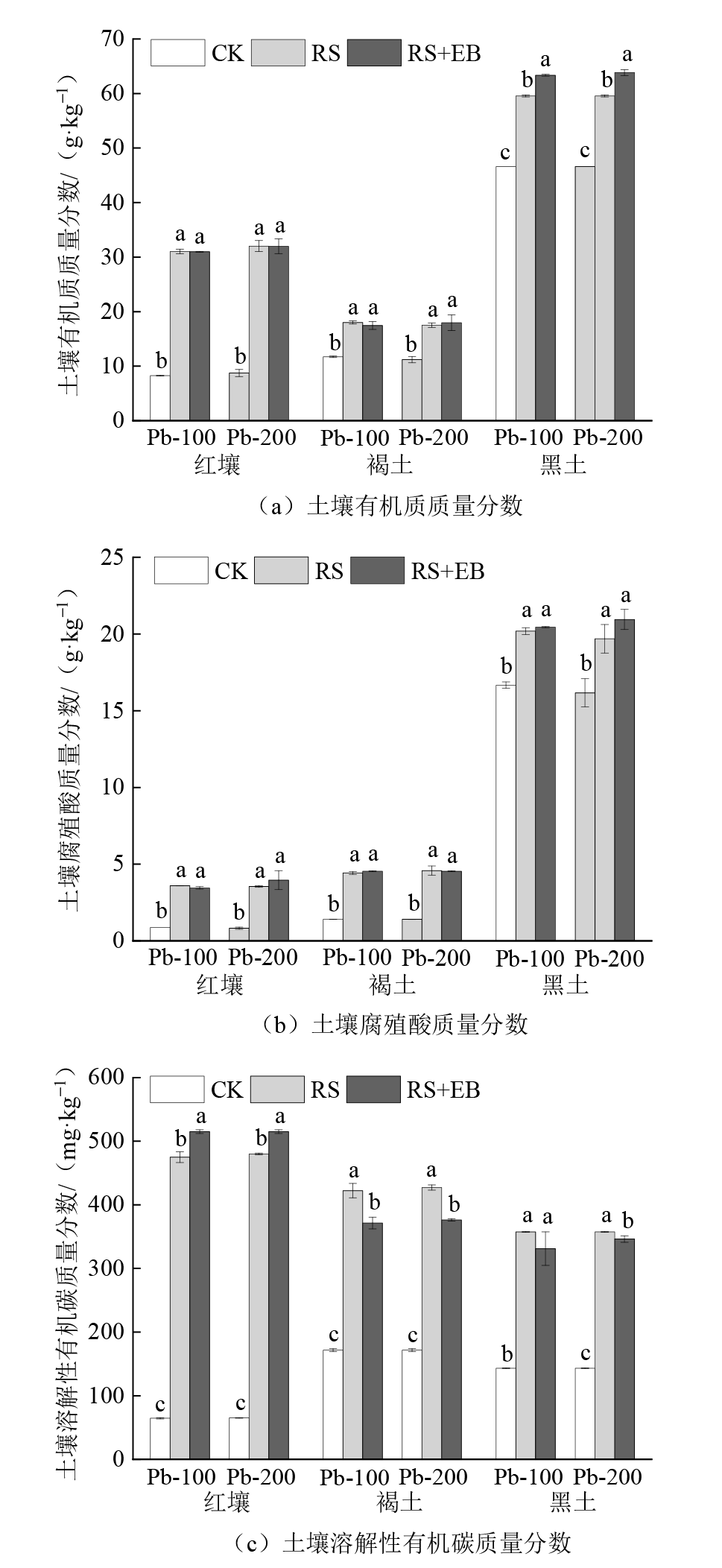
Figure 1 The content of various types of organic matter in soil
| 土壤类型 | 处理 | E4/E6 | |
|---|---|---|---|
| Pb-100 | Pb-200 | ||
| 红壤 | 对照 | 7.07±0.06b | 7.05±0.04b |
| 秸秆 | 7.70±0.08a | 7.68±0.03a | |
| 秸秆+细菌 | 7.70±0.08a | 7.69±0.04a | |
| 褐土 | 对照 | 5.10±0.06b | 5.08±0.02b |
| 秸秆 | 5.96±0.07a | 5.95±0.03a | |
| 秸秆+细菌 | 5.89±0.06a | 5.90±0.02a | |
| 黑土 | 对照 | 3.44±0.01a | 3.42±0.01a |
| 秸秆 | 3.48±0.02a | 3.47±0.01a | |
| 秸秆+细菌 | 3.48±0.00a | 3.48±0.00a | |
Table 4 E4/E6 values of soil humic substances
| 土壤类型 | 处理 | E4/E6 | |
|---|---|---|---|
| Pb-100 | Pb-200 | ||
| 红壤 | 对照 | 7.07±0.06b | 7.05±0.04b |
| 秸秆 | 7.70±0.08a | 7.68±0.03a | |
| 秸秆+细菌 | 7.70±0.08a | 7.69±0.04a | |
| 褐土 | 对照 | 5.10±0.06b | 5.08±0.02b |
| 秸秆 | 5.96±0.07a | 5.95±0.03a | |
| 秸秆+细菌 | 5.89±0.06a | 5.90±0.02a | |
| 黑土 | 对照 | 3.44±0.01a | 3.42±0.01a |
| 秸秆 | 3.48±0.02a | 3.47±0.01a | |
| 秸秆+细菌 | 3.48±0.00a | 3.48±0.00a | |
| 土壤类型 | 处理 | 芳香碳百分比/% | 酚基碳百分比/% | 脂肪碳百分比/% | 羧基碳百分比/% | 烷氧碳百分比/% | 羰基碳百分比/% | 芳香性 | 脂肪碳/烷氧碳值 |
|---|---|---|---|---|---|---|---|---|---|
| 红壤 | 对照 | 13.50 | 1.11 | 12.36 | 28.08 | 28.98 | 15.97 | 24.62 | 0.38 |
| 秸秆 | 9.65 | 1.78 | 19.01 | 18.29 | 36.02 | 15.25 | 14.92 | 1.38 | |
| 褐土 | 对照 | 13.87 | 2.35 | 19.11 | 23.16 | 37.04 | 4.47 | 19.81 | 3.38 |
| 秸秆 | 4.44 | 1.28 | 22.48 | 34.58 | 33.33 | 3.89 | 7.37 | 4.38 | |
| 黑土 | 对照 | 7.85 | 1.03 | 20.38 | 36.32 | 33.02 | 1.40 | 12.82 | 6.38 |
| 秸秆 | 21.14 | 4.83 | 21.98 | 16.52 | 32.18 | 3.35 | 28.07 | 7.38 |
Table 5 The percentage of various types of organic carbon, aromaticity, and the value of aliphatic carbon/alkoxy carbon
| 土壤类型 | 处理 | 芳香碳百分比/% | 酚基碳百分比/% | 脂肪碳百分比/% | 羧基碳百分比/% | 烷氧碳百分比/% | 羰基碳百分比/% | 芳香性 | 脂肪碳/烷氧碳值 |
|---|---|---|---|---|---|---|---|---|---|
| 红壤 | 对照 | 13.50 | 1.11 | 12.36 | 28.08 | 28.98 | 15.97 | 24.62 | 0.38 |
| 秸秆 | 9.65 | 1.78 | 19.01 | 18.29 | 36.02 | 15.25 | 14.92 | 1.38 | |
| 褐土 | 对照 | 13.87 | 2.35 | 19.11 | 23.16 | 37.04 | 4.47 | 19.81 | 3.38 |
| 秸秆 | 4.44 | 1.28 | 22.48 | 34.58 | 33.33 | 3.89 | 7.37 | 4.38 | |
| 黑土 | 对照 | 7.85 | 1.03 | 20.38 | 36.32 | 33.02 | 1.40 | 12.82 | 6.38 |
| 秸秆 | 21.14 | 4.83 | 21.98 | 16.52 | 32.18 | 3.35 | 28.07 | 7.38 |
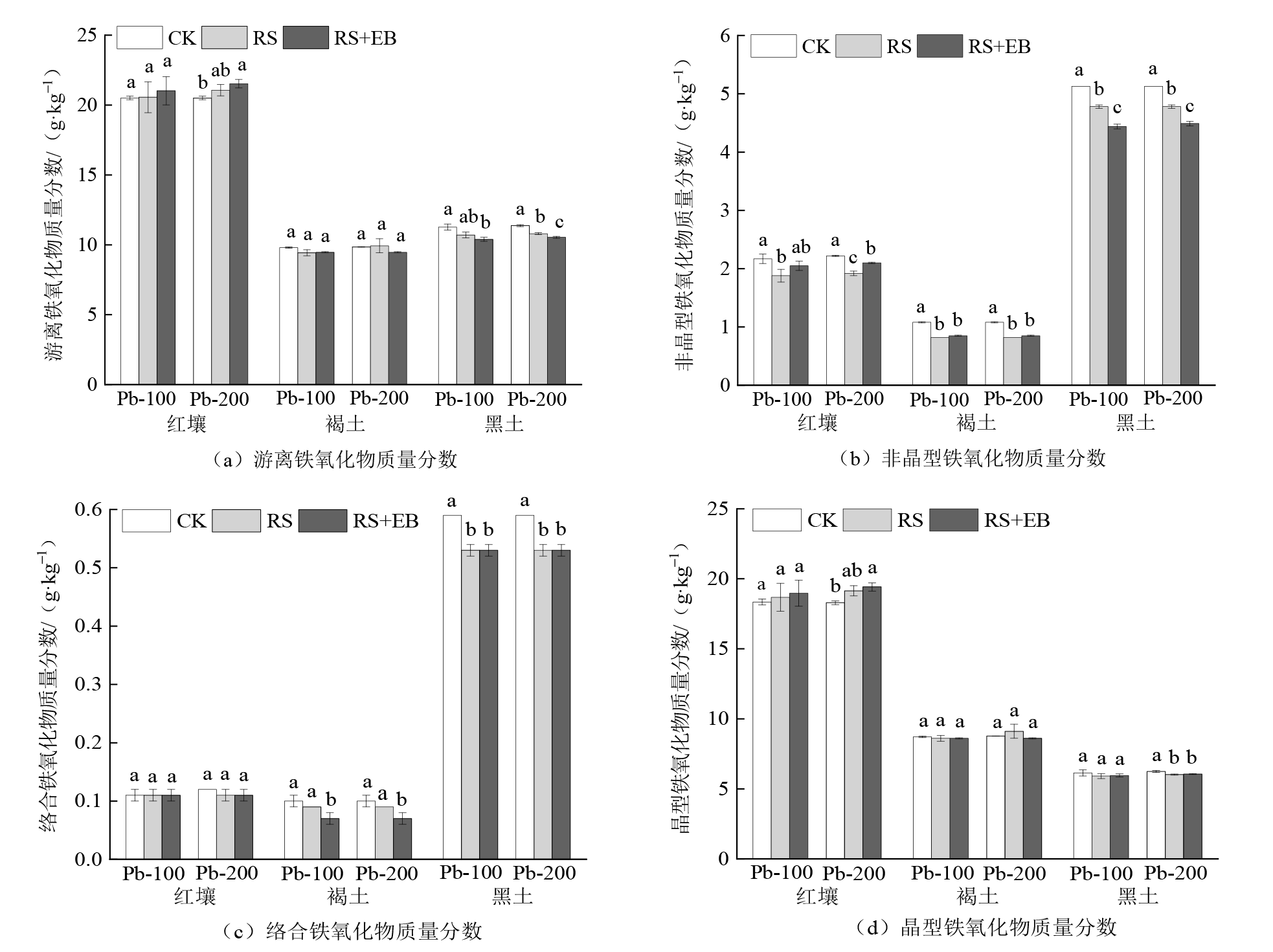
Figure 2 The content of various types of iron oxides in soil
| 铅浓度 | 处理 | 红壤 | 褐土 | 黑土 |
|---|---|---|---|---|
| Pb-100 | 对照 | 0.54±0.07a | 0.97±0.05a | 5.24±0.05a |
| 秸秆 | 0.51±0.01b | 0.96±0.02a | 4.95±0.03b | |
| 秸秆+细菌 | 0.50±0.01b | 0.95±0.02a | 5.05±0.00b | |
| Pb-200 | 对照 | 0.59±0.00a | 0.96±0.06a | 5.19±0.02a |
| 秸秆 | 0.50±0.02b | 0.91±0.05b | 4.91±0.10b | |
| 秸秆+细菌 | 0.49±0.03b | 0.92±0.04b | 4.98±0.10b |
Table 6 The percentage values of Fep/Fed %
| 铅浓度 | 处理 | 红壤 | 褐土 | 黑土 |
|---|---|---|---|---|
| Pb-100 | 对照 | 0.54±0.07a | 0.97±0.05a | 5.24±0.05a |
| 秸秆 | 0.51±0.01b | 0.96±0.02a | 4.95±0.03b | |
| 秸秆+细菌 | 0.50±0.01b | 0.95±0.02a | 5.05±0.00b | |
| Pb-200 | 对照 | 0.59±0.00a | 0.96±0.06a | 5.19±0.02a |
| 秸秆 | 0.50±0.02b | 0.91±0.05b | 4.91±0.10b | |
| 秸秆+细菌 | 0.49±0.03b | 0.92±0.04b | 4.98±0.10b |

Figure 3 Percentage of lead chemical form

Figure 4 Chemical forms of Pb in three zonal soils under different treatments

Figure 5 Mobility factors of Pb
| 土壤类型 | 处理 | Pb形态 | pH | 有机质 | 腐殖酸 | 溶解性有机碳 | 游离铁 | 非晶型铁 | 络合铁 | 晶型铁 |
|---|---|---|---|---|---|---|---|---|---|---|
| 红壤 | Pb-100 | 水溶态 | −0.944** | −0.726 | −0.729 | −0.747 | −0.660 | 0.098 | 0 | −0.721 |
| 离子交换态 | −0.821* | −0.982** | −0.952** | −0.974** | −0.182 | 0.77 | 0.177 | −0.361 | ||
| 专性吸附态 | 0.113 | −0.190 | −0.071 | −0.116 | 0.099 | 0.646 | −0.425 | −0.036 | ||
| 腐殖酸结合态 | 0.119 | 0.484 | 0.477 | 0.476 | −0.496 | −0.693 | −0.673 | −0.375 | ||
| 铁锰氧化态 | 0.478 | 0.563 | 0.598 | 0.631 | −0.312 | −0.429 | −0.502 | −0.237 | ||
| 强有机结合态 | −0.473 | −0.458 | −0.491 | −0.470 | −0.261 | 0.303 | −0.492 | −0.342 | ||
| 残渣态 | 0.589 | 0.837* | 0.793 | 0.860* | −0.292 | −0.818* | −0.592 | −0.131 | ||
| Pb-200 | 水溶态 | −0.511 | −0.648 | −0.632 | −0.631 | −0.191 | 0.627 | −0.402 | −0.340 | |
| 离子交换态 | −0.866* | −0.998** | −0.975** | −0.997** | −0.217 | 0.705 | 0.32 | −0.384 | ||
| 专性吸附态 | 0.262 | 0.11 | 0.22 | 0.138 | 0.199 | 0.349 | −0.568 | 0.135 | ||
| 腐殖酸结合态 | 0.907* | 0.992** | 0.979** | 0.992** | 0.281 | −0.624 | −0.341 | 0.434 | ||
| 铁锰氧化态 | 0.672 | 0.879* | 0.916* | 0.860* | 0.149 | −0.681 | −0.238 | 0.306 | ||
| 强有机结合态 | 0.454 | 0.591 | 0.696 | 0.575 | 0.168 | −0.344 | −0.242 | 0.253 | ||
| 残渣态 | −0.528 | −0.733 | −0.707 | −0.722 | 0.324 | 0.74 | 0.398 | 0.182 | ||
| 褐土 | Pb-100 | 水溶态 | 0.204 | 0.042 | 0.054 | −0.140 | −0.258 | 0.03 | −0.474 | −0.509 |
| 离子交换态 | 0 | 0 | 0 | 0 | 0 | 0 | 0 | 0 | ||
| 碳酸盐结合态 | 0.615 | −0.856* | −0.793 | −0.735 | 0.903* | 0.744 | 0.398 | 0.814* | ||
| 腐殖酸结合态 | −0.767 | 0.778 | 0.891* | 0.829* | −0.831* | −0.885* | −0.638 | −0.519 | ||
| 铁锰氧化态 | 0.693 | −0.716 | −0.623 | −0.670 | 0.383 | 0.637 | 0.401 | −0.022 | ||
| 强有机结合态 | 0.343 | −0.636 | −0.546 | −0.484 | 0.761 | 0.483 | 0.184 | 0.850* | ||
| 残渣态 | −0.416 | 0.614 | 0.713 | 0.62 | −0.809 | −0.663 | −0.442 | −0.732 | ||
| Pb-200 | 水溶态 | 0.239 | −0.162 | −0.181 | −0.069 | 0.044 | 0.178 | 0.711 | −0.123 | |
| 离子交换态 | −0.854* | 0.637 | 0.735 | 0.834* | −0.527 | −0.803 | −0.186 | −0.054 | ||
| 碳酸盐结合态 | −0.601 | 0.559 | 0.714 | 0.657 | −0.607 | −0.718 | −0.588 | −0.299 | ||
| 腐殖酸结合态 | −0.807 | 0.928** | 0.839* | 0.837* | −0.709 | −0.827* | −0.531 | −0.361 | ||
| 铁锰氧化态 | 0.691 | −0.724 | −0.728 | −0.628 | 0.603 | 0.712 | 0.857* | 0.297 | ||
| 强有机结合态 | 0.518 | −0.361 | −0.510 | −0.596 | 0.463 | 0.558 | −0.102 | 0.214 | ||
| 残渣态 | −0.794 | 0.692 | 0.76 | 0.854* | −0.596 | −0.803 | −0.178 | −0.180 | ||
| 黑土 | Pb-100 | 水溶态 | 0.123 | −0.177 | −0.019 | 0.09 | 0.402 | 0.404 | 0.057 | 0.261 |
| 离子交换态 | −0.873* | −0.712 | −0.758 | −0.859* | 0.498 | 0.487 | 0.751 | 0.348 | ||
| 专性吸附态 | 0.139 | 0.589 | 0.621 | −0.406 | −0.812* | −0.677 | −0.678 | −0.782 | ||
| 腐殖酸结合态 | 0.363 | 0.823* | 0.788 | 0.671 | −0.951** | −0.854* | −0.863* | −0.804 | ||
| 铁锰氧化态 | −0.636 | −0.522 | −0.370 | −0.617 | 0.26 | 0.387 | 0.38 | −0.060 | ||
| 强有机结合态 | −0.102 | 0.434 | 0.383 | 0.161 | −0.567 | −0.589 | −0.415 | −0.334 | ||
| 残渣态 | 0.423 | 0.401 | 0.266 | 0.617 | −0.239 | −0.157 | −0.391 | −0.306 | ||
| Pb-200 | 水溶态 | −0.757 | −0.991** | −0.937** | −0.929** | 0.915* | 0.937** | 0.959** | 0.564 | |
| 离子交换态 | −0.769 | −0.960** | −0.908* | −0.974** | 0.863* | 0.841* | 0.957** | 0.609 | ||
| 专性吸附态 | −0.326 | −0.765 | −0.731 | −0.691 | 0.779 | 0.712 | 0.816* | 0.635 | ||
| 腐殖酸结合态 | 0.864* | 0.930** | 0.878* | 0.992* | −0.792 | −0.785 | −0.912* | −0.534 | ||
| 铁锰氧化态 | 0.515 | 0.129 | 0.354 | 0.169 | 0 | −0.126 | 0.163 | 0.229 | ||
| 强有机结合态 | −0.289 | −0.480 | −0.583 | −0.301 | 0.664 | 0.61 | 0.54 | 0.537 | ||
| 残渣态 | −0.622 | −0.437 | −0.408 | −0.406 | 0.447 | 0.477 | 0.355 | 0.239 |
Table 7 The correlation analysis between Pb chemical forms and soil properties
| 土壤类型 | 处理 | Pb形态 | pH | 有机质 | 腐殖酸 | 溶解性有机碳 | 游离铁 | 非晶型铁 | 络合铁 | 晶型铁 |
|---|---|---|---|---|---|---|---|---|---|---|
| 红壤 | Pb-100 | 水溶态 | −0.944** | −0.726 | −0.729 | −0.747 | −0.660 | 0.098 | 0 | −0.721 |
| 离子交换态 | −0.821* | −0.982** | −0.952** | −0.974** | −0.182 | 0.77 | 0.177 | −0.361 | ||
| 专性吸附态 | 0.113 | −0.190 | −0.071 | −0.116 | 0.099 | 0.646 | −0.425 | −0.036 | ||
| 腐殖酸结合态 | 0.119 | 0.484 | 0.477 | 0.476 | −0.496 | −0.693 | −0.673 | −0.375 | ||
| 铁锰氧化态 | 0.478 | 0.563 | 0.598 | 0.631 | −0.312 | −0.429 | −0.502 | −0.237 | ||
| 强有机结合态 | −0.473 | −0.458 | −0.491 | −0.470 | −0.261 | 0.303 | −0.492 | −0.342 | ||
| 残渣态 | 0.589 | 0.837* | 0.793 | 0.860* | −0.292 | −0.818* | −0.592 | −0.131 | ||
| Pb-200 | 水溶态 | −0.511 | −0.648 | −0.632 | −0.631 | −0.191 | 0.627 | −0.402 | −0.340 | |
| 离子交换态 | −0.866* | −0.998** | −0.975** | −0.997** | −0.217 | 0.705 | 0.32 | −0.384 | ||
| 专性吸附态 | 0.262 | 0.11 | 0.22 | 0.138 | 0.199 | 0.349 | −0.568 | 0.135 | ||
| 腐殖酸结合态 | 0.907* | 0.992** | 0.979** | 0.992** | 0.281 | −0.624 | −0.341 | 0.434 | ||
| 铁锰氧化态 | 0.672 | 0.879* | 0.916* | 0.860* | 0.149 | −0.681 | −0.238 | 0.306 | ||
| 强有机结合态 | 0.454 | 0.591 | 0.696 | 0.575 | 0.168 | −0.344 | −0.242 | 0.253 | ||
| 残渣态 | −0.528 | −0.733 | −0.707 | −0.722 | 0.324 | 0.74 | 0.398 | 0.182 | ||
| 褐土 | Pb-100 | 水溶态 | 0.204 | 0.042 | 0.054 | −0.140 | −0.258 | 0.03 | −0.474 | −0.509 |
| 离子交换态 | 0 | 0 | 0 | 0 | 0 | 0 | 0 | 0 | ||
| 碳酸盐结合态 | 0.615 | −0.856* | −0.793 | −0.735 | 0.903* | 0.744 | 0.398 | 0.814* | ||
| 腐殖酸结合态 | −0.767 | 0.778 | 0.891* | 0.829* | −0.831* | −0.885* | −0.638 | −0.519 | ||
| 铁锰氧化态 | 0.693 | −0.716 | −0.623 | −0.670 | 0.383 | 0.637 | 0.401 | −0.022 | ||
| 强有机结合态 | 0.343 | −0.636 | −0.546 | −0.484 | 0.761 | 0.483 | 0.184 | 0.850* | ||
| 残渣态 | −0.416 | 0.614 | 0.713 | 0.62 | −0.809 | −0.663 | −0.442 | −0.732 | ||
| Pb-200 | 水溶态 | 0.239 | −0.162 | −0.181 | −0.069 | 0.044 | 0.178 | 0.711 | −0.123 | |
| 离子交换态 | −0.854* | 0.637 | 0.735 | 0.834* | −0.527 | −0.803 | −0.186 | −0.054 | ||
| 碳酸盐结合态 | −0.601 | 0.559 | 0.714 | 0.657 | −0.607 | −0.718 | −0.588 | −0.299 | ||
| 腐殖酸结合态 | −0.807 | 0.928** | 0.839* | 0.837* | −0.709 | −0.827* | −0.531 | −0.361 | ||
| 铁锰氧化态 | 0.691 | −0.724 | −0.728 | −0.628 | 0.603 | 0.712 | 0.857* | 0.297 | ||
| 强有机结合态 | 0.518 | −0.361 | −0.510 | −0.596 | 0.463 | 0.558 | −0.102 | 0.214 | ||
| 残渣态 | −0.794 | 0.692 | 0.76 | 0.854* | −0.596 | −0.803 | −0.178 | −0.180 | ||
| 黑土 | Pb-100 | 水溶态 | 0.123 | −0.177 | −0.019 | 0.09 | 0.402 | 0.404 | 0.057 | 0.261 |
| 离子交换态 | −0.873* | −0.712 | −0.758 | −0.859* | 0.498 | 0.487 | 0.751 | 0.348 | ||
| 专性吸附态 | 0.139 | 0.589 | 0.621 | −0.406 | −0.812* | −0.677 | −0.678 | −0.782 | ||
| 腐殖酸结合态 | 0.363 | 0.823* | 0.788 | 0.671 | −0.951** | −0.854* | −0.863* | −0.804 | ||
| 铁锰氧化态 | −0.636 | −0.522 | −0.370 | −0.617 | 0.26 | 0.387 | 0.38 | −0.060 | ||
| 强有机结合态 | −0.102 | 0.434 | 0.383 | 0.161 | −0.567 | −0.589 | −0.415 | −0.334 | ||
| 残渣态 | 0.423 | 0.401 | 0.266 | 0.617 | −0.239 | −0.157 | −0.391 | −0.306 | ||
| Pb-200 | 水溶态 | −0.757 | −0.991** | −0.937** | −0.929** | 0.915* | 0.937** | 0.959** | 0.564 | |
| 离子交换态 | −0.769 | −0.960** | −0.908* | −0.974** | 0.863* | 0.841* | 0.957** | 0.609 | ||
| 专性吸附态 | −0.326 | −0.765 | −0.731 | −0.691 | 0.779 | 0.712 | 0.816* | 0.635 | ||
| 腐殖酸结合态 | 0.864* | 0.930** | 0.878* | 0.992* | −0.792 | −0.785 | −0.912* | −0.534 | ||
| 铁锰氧化态 | 0.515 | 0.129 | 0.354 | 0.169 | 0 | −0.126 | 0.163 | 0.229 | ||
| 强有机结合态 | −0.289 | −0.480 | −0.583 | −0.301 | 0.664 | 0.61 | 0.54 | 0.537 | ||
| 残渣态 | −0.622 | −0.437 | −0.408 | −0.406 | 0.447 | 0.477 | 0.355 | 0.239 |
| [1] |
BAI Z Q, LI T, ZHANG S R, et al., 2024. Effects of climate and geochemical properties on the chemical forms of soil Cd, Pb and Cr along a more than 4000 km transect[J]. Journal of Hazardous Materials, 467: 133746.
DOI URL |
| [2] |
BOLAN N, KUNHIKRISHNAN A, THANGARAJAN R, et al., 2014. Remediation of heavy metal(loid)s contaminated soils-To mobilize or immobolize?[J]. Journal of Hazardous Materials, 266: 141-166.
DOI URL |
| [3] |
BONTEN L T C, GROENENBERG J E, WENG L P, et al., 2008. Use of speciation and complexation models to estimate heavy metal sorption in soils[J]. Geoderma, 146(1-2): 303-310.
DOI URL |
| [4] |
CAI Q, XU M, MA J, et al., 2023. Improvement of cadmium immobilization in contaminated paddy soil by using ureolytic bacteria and rice straw[J]. Science of The Total Environment, 874: 162594.
DOI URL |
| [5] |
CUI J Q, YU Y J, XIANG M D, et al., 2023. Decreased in vitro bioaccessibility of Cd and Pb in an acidic Ultisol through incorporation of crop straw-derived biochar[J]. Environmental Pollution, 317: 120721.
DOI URL |
| [6] |
EUSTERHUES K, RENNERT H, KNICKER H, et al., 2011. Fractionation of organic matter due to reaction with ferrihydrite: Coprecipitation versus adsorption[J]. Environmental Science and Technology, 45: 527-533.
DOI PMID |
| [7] |
HU X P, QU C C, SHI H Z, et al., 2023. Mineral-organic interactions drive the aging and stabilization of exogenous Pb in soils[J]. Geoderma, 437: 116588.
DOI URL |
| [8] |
HSU L C, LIU Y T, TZOU Y M, 2015. Comparison of the sepetroscopic speciation and chemical fractionation of chromium in contaminated paddy soils[J]. Journal of Hazardous Materials, 296: 230-238.
DOI URL |
| [9] |
JALALI M, JALALI M, ANTONIADIS V, 2023. The release of Cd, Cu, Fe, Mn, Ni, Pb, and Zn from clay loam and sandy loam soils under the influence of various organic amendments and low-molecular-weight organic acids[J]. Journal of Hazardous Materials, 459: 132111.
DOI URL |
| [10] |
JIANG Z, NIE K, YU L, et al., 2023. Synchronous stabilization of As, Cd, and Pb in soil by sustained-release of iron-phosphate[J]. Science of The Total Environment, 867: 161369.
DOI URL |
| [11] |
LI Q, WANG Y H, LI Y C, et al., 2022. Speciation of heavy metals in soils and their immobilization at micro-scale interfaces among diverse soil components[J]. Science of The Total Environment, 825: 153862.
DOI URL |
| [12] |
LIN X Y, XUE R Y, ZHOU L, et al., 2022. Effects of various Fe compounds on the bioavailability of Pb contained in orally ingested soils in mice: Mechanistic insights and health implications[J]. Environment International, 170: 107664.
DOI URL |
| [13] |
LU Y, HU S W, WANG Z M, et al., 2019. Ferrihydrite transformation under the impact of humic acid and Pb: Kinetics, nanoscale mechanisms, and implications for C and Pb dynamics[J]. Environmental Science: Nano, 6(3): 747-762.
DOI URL |
| [14] |
MENG J, TAO M M, WANG L L, et al., 2018. Changes in heavy metal bioavailability and speciation from a Pb-Zn mining soil amended with biochars from co-pyrolysis of rice straw and swine manure[J]. Science of The Total Environment, 633: 300-307.
DOI URL |
| [15] |
SALAM A, SHAHEEN S M, BASHIR S, et al., 2019. Rice straw- and rapeseed residue-derived biochars affect the geochemical fractions and phytoavailability of Cu and Pb to maize in a contaminated soil under different moisture content[J]. Journal of Environmental Management, 237: 5-14.
DOI PMID |
| [16] |
SHI H, WEN D, HUANG Y D, et al., 2022. Time effects of rice straw and engineered bacteria on reduction of exogenous Cu mobility in three typical Chinese soils[J]. Pedosphere, 32(5): 665-672.
DOI URL |
| [17] | SONG H H, LIANG W Y, LUO K L, et al., 2023. Simultaneous stabilization of Pb, Cd, and As in soil by rhamnolipid coated sulfidated nano zero-valent iron: Effects and mechanisms[J]. Journal of Hazardous Materials, 443(Part B): 130259. |
| [18] |
WAN D, ZHANG N C, CHEN W L, et al., 2018. Organic matter facilitates the binding of Pb to iron oxides in a subtropical contaminated soil[J]. Environmental Science and Pollution Research, 25(32): 32130-32139.
DOI |
| [19] |
WANG J, ZHANG C B, JIN Z X, 2009. The distribution and phytoavailability of heavy metal fractions in rhizosphere soils of Paulowniu fortunei (seem) Hems near a Pb/Zn smelter in Guangdong, P R China[J]. Geoderma, 148(3-4): 299-306.
DOI URL |
| [20] |
WU Y, WANG Z W, XUE Z Y, et al., 2025. Fertilization of potentially toxic element-contaminated soils remediated with reusable biochar pellets using rice straw, pig manure and their derived biochar[J]. Environmental Pollution, 366: 125551.
DOI URL |
| [21] |
XU D M, WEN X C, DAI D S, et al., 2025. Potential influence mechanism of mineral-organic matter (OM) interactions on the mobility of toxic elements in Pb/Zn smelter contaminated soils[J]. Journal of Hazardous Materials, 484: 136671.
DOI URL |
| [22] |
YESILONIS I D, JAMES B R, POUYAT R V, et al., 2008. Lead forms in urban turfgrass and forest soils as related to organic matter content and pH[J]. Environmental Monitoring and Assessment, 146: 1-17.
DOI PMID |
| [23] |
ZHANG Y L, FU P F, LI S, et al., 2024. Remediation of As, Sb, and Pb co-contaminated mining soils by using Fe/C based solid wastes: Synergistic effects and field applications[J]. Chemical Engineering Journal, 498: 155476.
DOI URL |
| [24] |
ZHAO Y, YAO J, LI H, et al., 2024. Effects of three plant growth-promoting bacterial symbiosis with ryegrass for remediation of Cd, Pb, and Zn soil in a mining area[J]. Journal of Environmental Management, 353: 120167.
DOI URL |
| [25] |
常春英, 王刚, 曹浩轩, 等, 2025. 模拟干湿过程对稳定化修复土壤中重金属Ni和Pb的影响[J]. 生态环境学报, 34(1): 118-125.
DOI |
| CHANG C Y, WANG G, CAO H X, et al., 2025. Impact of simulated dry-wet process on nickel(Ni) and lead(Pb) in stabilization remediated soils[J]. Ecology and Environmental Sciences, 34(1): 118-125. | |
| [26] | 胡世文, 刘同旭, 李芳柏, 等, 2022. 土壤铁矿物的生物-非生物转化过程及其界面重金属反应机制的研究进展[J]. 土壤学报, 59(1): 54-65. |
| HU S W, LIU T X, LI F B, et al., 2022. The abiotic and biotic transformation processes of soil iron-bearing minerals and its interfacial reaction mechanisms of heavy metals: A review[J]. Acta Pedologica Sinica, 59(1): 54-65. | |
| [27] | 李佳毅, 余江, 丁萍, 等, 2025. 炭基@零价铁/氯磷灰石复合材料对铅镉污染土壤的修复效果[J/OL]. 环境科学: 1-13 [2025-04-18]. https://doi.org/10.13227/j.hjkx.202412172. |
| LI J Y, YU J, DING P, et al., 2025. Remediation of Pb and Cd contaminated soil by biochar-based @ZVI/chlorapatite composites material[J/OL]. Environmental Science: 1-13 [2025-04-18]. https://doi.org/10.13227/j.hjkx.202412172. | |
| [28] | 李思敏, 吴月颖, 吴治澎, 等, 2023. 不同有机改良剂对矿区土壤溶解性有机质及其铅赋存形态的影响机制[J]. 农业资源与环境学报, 40(2): 271-279. |
| LI S M, WU Y Y, WU Z P, et al., 2023. Effects of different organic amendments on dissolved organic matter and lead occurrence formation in soil of mining areas[J]. Journal of Agricultural Resources and Environment, 40(2): 271-279. | |
| [29] |
刘娟, 张乃明, 袁启慧, 2021. 不同钝化剂对铅镉复合污染土壤钝化效果及影响因素研究[J]. 生态环境学报, 30(8): 1732-1741.
DOI |
| LIU J, ZHANG N M, YUAN Q H, 2021. Passivation effect and influencing factors of different passivators on lead-cadmium compound contaminated soils[J]. Ecology and Environmental Sciences, 30(8): 1732-1741. | |
| [30] | 龙新宪, 刘文晶, 仇荣亮, 2024. 中国农田土壤重金属污染的人体健康风险评估: 研究进展与展望[J]. 土壤学报, 61(5): 1188-1200. |
| LONG X X, LIU W J, QIU R L, 2024. Research progress and prospects of human health risk assessment of heavy metal pollution in farmland soils of China[J]. Acta Pedologica Sinica, 61(5): 1188-1200. | |
| [31] | 石含之, 吴志超, 王旭, 等, 2019. 土壤外源镉老化过程中形态变化及影响因素[J]. 江苏农业学报, 35(6): 1360-1367. |
| SHI H Z, WU Z C, WANG X, et al., 2019. Changes of chemical forms and influence factors of soil exogenous cadmium during the aging process[J]. Jiangsu Journal of Agricultural Sciences, 35(6): 1360-1367. | |
| [32] |
石含之, 赵沛华, 黄永东, 等, 2020. 秸秆还田对土壤有机碳结构的影响[J]. 生态环境学报, 29(3): 536-542.
DOI |
| SHI H Z, ZHAO P H, HUANG Y D, et al., 2020. Effect of straw mulching on soil organic carbon structure[J]. Ecology and Environmental Sciences, 29(3): 536-542. | |
| [33] | 万丹, 王伯仁, 张璐, 等, 2022. 红壤铁氧化物对有机碳的固定及其对长期施肥的响应[J]. 中国生态农业学报(中英文), 30(4): 694-701. |
| WAN D, WANG B R, ZHANG L, et al., 2022. Effect of long-term fertilization on the stabilization of soil organic carbon by iron oxides in red soil[J]. Chinese Journal of Eco-Agriculture, 30(4): 694-701. | |
| [34] | 王春雨, 罗少辉, 段杰, 等, 2018. 化学修复剂对污染土壤中锌、铅、镉形态及其生物有效性的影响[J]. 江苏农业科学, 46(15): 280-283. |
| WANG C Y, LUO S H, DUAN J, et al., 2018. Effects of chemical remediation agents on the speciation and bioavailability of zinc, lead and cadmium in contaminated soil[J]. Jiangsu Agricultural Sciences, 46(15): 280-283. | |
| [35] | 徐建明, 何丽芝, 唐先进, 等, 2023. 中国重金属污染耕地土壤安全利用存在问题与建议[J]. 土壤学报, 60(5): 1289-1296. |
| XU J M, HE L Z, TANG X J, et al., 2023. Problems and suggestions on safe utilization of heavy metal(loid)-contaminated farmlands in China[J]. Acta Pedologica Sinica, 60(5): 1289-1296. | |
| [36] | 周茹, 刘山, 上官莉莎, 等, 2023. 秸秆和生物炭添加对污染土壤铅形态转化及小麦幼苗生长的影响[J]. 河南农业大学学报, 57(2): 207-215. |
| ZHOU R, LIU S, SHANGGUAN L S, et al., 2023. Effect of straw and biochar addition on transformation of lead speciation in contaminated soil and wheat seedling growth[J]. Journal of Henan Agricultural University, 57(2): 207-215. |
| [1] | TANG Zhongao, CHUN Zhenjie, DUAN Xingwu, ZHANG Ruihuan, RONG Li, LIU Wenxu. Simulated Effects of Erosion on Soil Microorganisms and Soil Organic Carbon [J]. Ecology and Environmental Sciences, 2026, 35(1): 54-61. |
| [2] | WANG Guolin, LIU Kaiying, SONG Ningning, LIU Jun, WANG Fangli, WANG Xuexia, ZONG Haiying, LI Shaojing. Response Mechanism of Organic Nitrogen Components in Saline-alkali Soil to the Input of Straw and Straw Biochar [J]. Ecology and Environmental Sciences, 2026, 35(1): 62-74. |
| [3] | LIU Qing, GONG Yushun, WANG Wei, FANG Xiantao, WU Jinshui, SHEN Jianlin. Spatio-temporal Characteristics of Soil Organic Carbon and Its Components in Typical tea Gardens in Hunan Province, China [J]. Ecology and Environmental Sciences, 2025, 34(9): 1386-1397. |
| [4] | HAO Xiaoyan, DONG Chao, XUE Yang, HAN Liping. Symbiotic Effects and Influencing Factors of Energy Supply and Ecological Security in Energy Endowment Advantageous Areas [J]. Ecology and Environmental Sciences, 2025, 34(6): 974-985. |
| [5] | XU Maohong. The Study on the Elevational Patterns and Underlying Influence Factors of Soil Microbial α Diversity in a Warm-temperate Forest [J]. Ecology and Environmental Sciences, 2025, 34(5): 678-687. |
| [6] | CHEN Jieru, YE Changsheng, WEI Wei, CAI Xin, WANG Lili. Analysis of “Production-Living-Ecological Space” Coupling Coordination and Influencing Factors in County Areas of Poyang Lake City Cluster [J]. Ecology and Environmental Sciences, 2025, 34(5): 807-818. |
| [7] | GUO Mingbin, GONG Jianzhou, WANG Lijuan, WANG Shikuan. Analysis of the Natural Dominant Factors Driving NO2 Concentration Changes in the Guangdong-Hong Kong-Macao Greater Bay Area from 2019 to 2023 [J]. Ecology and Environmental Sciences, 2025, 34(4): 534-547. |
| [8] | WANG Longfei, ZHANG Jiaojiao, WANG Ziyi, CHEN Yudong, LI Yi. Innovation and Practice of Biofilm-based Technology in the Ecological Restoration of Aquatic Systems [J]. Ecology and Environmental Sciences, 2025, 34(4): 653-664. |
| [9] | SHEN Jialong, WU Lihong, LI Linshuang, ZHOU Yuanfang, YANG Xiaomin. Effects of Land Uses on Soil Organic Carbon Fractions and Their Carbon Sequestration in a Typical Karst Small Mountain Watershed [J]. Ecology and Environmental Sciences, 2025, 34(3): 358-367. |
| [10] | SUN Yujia, LU Mei, ZHAO Xuyan, FENG Jun, LIU Guoqing, GUO Chuxiao, WANG Mingliu, HUANG Minchao, CHEN Zhiming. Response of Soil Bacterial Community Structure to Nitrogen Addition in Degraded Napahai Alpine Meadow [J]. Ecology and Environmental Sciences, 2025, 34(2): 233-246. |
| [11] | WANG Chunmei, JIANG Bingqi, HU Jun, CHEN Daiwen, HUANG Lihua, CHENG Wanwan. Multi-scale Variations and Influencing Factors of Total Radioactivity in Atmospheric Environment Around Nuclear Power Plants [J]. Ecology and Environmental Sciences, 2025, 34(12): 1900-1908. |
| [12] | XIA Yining, LIU Peng’ao, HE Kerun, TIAN Chaohui, ZENG Liting, HOU Kelun. Spatiotemporal Dynamics and Scenario Simulations of Ecosystem Carbon Storage Based on Land Use Changes in the Changsha-Zhuzhou-Xiangtan Metropolitan Area [J]. Ecology and Environmental Sciences, 2025, 34(11): 1661-1674. |
| [13] | ZHAO Yu, FANG Wangkai, ZHANG Ziwei, ZHANG Huanjun, LI Yi. Occurrence Characteristics of Nonsteroidal Anti-inflammatory Drugs and Their Effects on Bacterial Communities and Antibiotic Resistance Genes in Taihu Lake [J]. Ecology and Environmental Sciences, 2025, 34(10): 1495-1506. |
| [14] | GUo Qin, LI Fayun, LI Xiaotong, MA Yiming, ZHOU Chunliang, HU Yaru. Construction of Bacterial Consortium of Bacillus and Acinetobacter and Its Synergistic Degradation Characteristics of Benzo[a]pyrene [J]. Ecology and Environmental Sciences, 2025, 34(10): 1507-1518. |
| [15] | HAN Junchao, ZHENG Maokun, TU Chen, LIU Ying, CAO Zhenyu, XING Qianwen, SHEN Weishou, LUO Yongming. Research Progresses and Prospects on the Application of Magnetotactic Bacteria in Environmental Remediation [J]. Ecology and Environmental Sciences, 2025, 34(1): 145-155. |
| Viewed | ||||||
|
Full text |
|
|||||
|
Abstract |
|
|||||
Copyright © 2021 Editorial Office of ACTA PETROLEI SINICA
Address:No. 6 Liupukang Street, Xicheng District, Beijing, P.R.China, 510650
Tel: 86-010-62067128, 86-010-62067137, 86-010-62067139
Fax: 86-10-62067130
Email: syxb@cnpc.com.cn
Support byBeijing Magtech Co.ltd, E-mail:support@magtech.com.cn
